
Anger is a natural emotion that we all experience from time to time. In stressful situations, anger can arise unexpectedly and often leads to unpleasant consequences. In a fast-paced world filled with pressures from work, family, and other commitments, learning how to manage anger effectively is essential for leading a healthier, more peaceful life. This article will guide you through some effective strategies to control anger in stressful situations, helping you navigate life’s challenges with a calm and composed mindset.
Understanding Anger: Why It Happens
Before diving into how to control anger, it’s essential to understand why it happens. Anger is a basic human emotion that can be triggered by various factors, such as feeling frustrated, hurt, or misunderstood. In stressful situations, anger might feel like an automatic response. However, anger, when uncontrolled, can lead to damaging effects on relationships, health, and well-being.
In Indian culture, stress and pressure often come from external sources, like family expectations, work-related pressures, or social obligations. These can build up and, if not managed well, lead to an outburst of anger. Recognizing the triggers of your anger is the first step toward managing it effectively.

The Importance of Anger Management
Anger, when left unchecked, can result in rash decisions, conflicts with loved ones, and poor physical health. In the long run, unmanaged anger can affect mental and emotional well-being, leading to conditions such as anxiety and depression. Moreover, it can impact your relationships with family, friends, and colleagues.
Learning to manage anger is not about suppressing it, but rather understanding and expressing it in healthy ways. By managing anger effectively, you gain better control over your emotions and improve your overall well-being. In Indian culture, where family and social relationships hold great importance, learning to control anger can also help maintain harmony and reduce misunderstandings.
Recognizing Early Signs of Anger
The first step in controlling anger is recognizing its early signs. Anger often builds up gradually, and by identifying these warning signs, you can take steps to cool down before things escalate. Some common early signs of anger include:
- Increased heart rate
- Clenching of fists or jaw
- Tension in the body or face
- Breathing quickly or shallowly
- Irritability or frustration
- A desire to shout or speak harshly
Once you become aware of these physical and emotional cues, you can take proactive steps to calm yourself down before the anger takes over.
Breathing Techniques for Immediate Relief
One of the simplest and most effective ways to control anger in the moment is by practicing deep breathing. Breathing exercises help slow down your heart rate and relax your body, providing immediate relief from anger. Here’s a simple technique you can try:
- Step 1: Close your eyes and take a deep breath in through your nose for a count of four.
- Step 2: Hold your breath for a count of four.
- Step 3: Exhale slowly through your mouth for a count of six.
- Step 4: Repeat this process five to ten times, focusing on your breath.
This technique calms the nervous system and helps you regain control over your emotions. It’s a quick and effective method, especially in moments of acute stress, such as during a disagreement with a colleague or a tense family conversation.
Practice Mindfulness and Stay Present
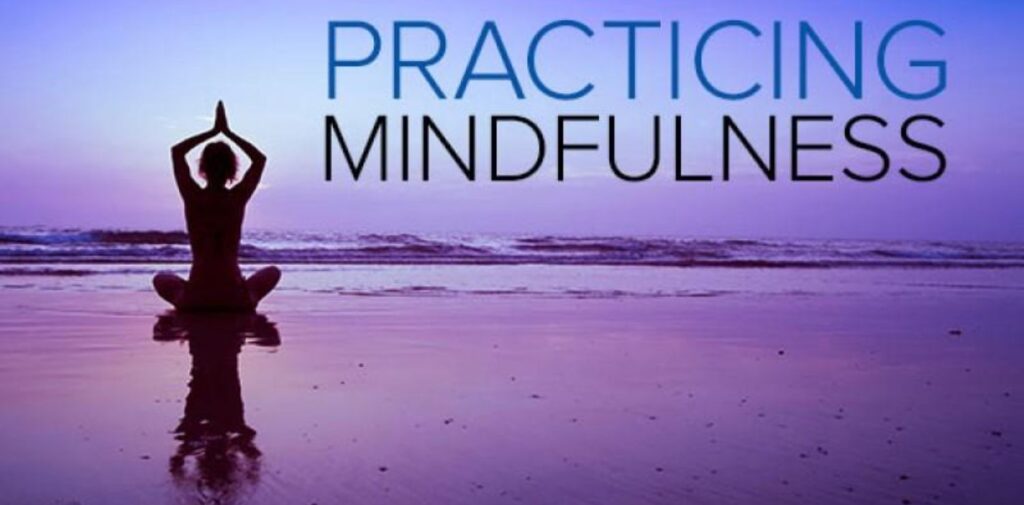
In stressful situations, we often become overwhelmed by thoughts of past events or worries about the future. These thoughts can fuel anger and make it harder to stay calm. Mindfulness, which is the practice of staying present in the moment, can help you control anger by keeping your focus on what’s happening right now.
By practicing mindfulness, you can learn to observe your thoughts and emotions without judgment. This allows you to respond to anger with a sense of clarity, instead of reacting impulsively. To practice mindfulness:
- Step 1: Take a moment to pause and focus on your surroundings. Pay attention to the sights, sounds, and smells around you.
- Step 2: Acknowledge the anger you are feeling without labeling it as good or bad.
- Step 3: Allow yourself to experience the emotion fully without immediately acting on it.
- Step 4: Take a few deep breaths and decide on a calm and measured response.
Mindfulness can be practiced at any time of the day and is especially helpful in high-pressure situations, such as when you feel frustrated during work or a family gathering.
Develop Healthy Communication Skills
Effective communication plays a crucial role in managing anger. Often, anger arises from misunderstandings, lack of communication, or feeling unheard. By developing healthy communication skills, you can express your feelings without resorting to anger or frustration.
Here are some key communication strategies:
- Speak calmly: Avoid shouting or using aggressive language. Instead, express your thoughts clearly and calmly.
- Use “I” statements: Instead of blaming others, focus on how you feel. For example, say “I feel upset when…” instead of “You always…”
- Listen actively: Pay attention to the other person’s words and feelings. Show empathy and understanding, even if you disagree.
- Take a break if needed: If emotions are running high, it’s okay to step away and resume the conversation when you feel calmer.
In the Indian context, where family dynamics and cultural expectations often influence our behavior, practicing respectful and non-confrontational communication can significantly reduce the chances of an angry outburst.
Physical Exercise: A Long-Term Solution
Regular physical activity is one of the most effective ways to reduce stress and manage anger in the long run. Exercise releases endorphins, which are chemicals in the brain that promote a feeling of well-being. It also helps reduce tension in the body, which can accumulate due to stress and frustration.
Incorporating physical activity into your daily routine can be a great way to channel negative emotions in a healthy way. Activities such as walking, yoga, swimming, or playing a sport can help release pent-up anger and prevent it from building up.
In India, practices like yoga and meditation are deeply ingrained in the culture and have been shown to promote emotional regulation. Engaging in yoga regularly can not only help manage anger but also improve mental clarity and physical health.

Seek Support When Needed
Sometimes, anger may be a symptom of deeper underlying issues, such as unresolved trauma, stress, or anxiety. In such cases, it’s essential to seek professional support. Speaking to a counselor, therapist, or even a trusted friend can help you work through your emotions and gain better insight into the root causes of your anger.
In India, where mental health issues are often stigmatized, it’s important to remember that seeking help is not a sign of weakness. A trained professional can guide you through the process of managing your anger in a constructive way and help you develop coping strategies.
Final Thoughts:
Anger is a natural emotion, but how you manage it can make a significant difference in your life. By recognizing the signs of anger, using techniques like deep breathing, practicing mindfulness, improving communication skills, and incorporating regular physical exercise, you can learn to control your anger in stressful situations.
Remember, anger management is a skill that takes time and effort to develop. Be patient with yourself as you practice these strategies and notice improvements over time. In the context of Indian culture, where relationships and harmony are highly valued, managing anger effectively can help you build stronger connections with others and lead a more peaceful life.
By applying these strategies, you can regain control over your emotions and handle stressful situations with a calm and composed mind.