
In today’s fast-paced world, where people are constantly juggling work, relationships, and personal challenges, emotional intelligence (EQ) plays a significant role in shaping our lives. While Intelligence Quotient (IQ) often takes the spotlight when we talk about success, emotional intelligence is just as important in navigating life’s complexities. But what exactly is emotional intelligence, and why does it matter? In this article, we will explore the concept of emotional intelligence, how it affects various aspects of life, and why it’s especially important for people in India.
What is Emotional Intelligence?
Emotional intelligence, often referred to as EQ (Emotional Quotient), is the ability to recognize, understand, and manage your emotions, as well as the ability to recognize, understand, and influence the emotions of others. While IQ focuses on cognitive abilities like problem-solving and logical thinking, emotional intelligence deals with how we interact with others, manage stress, and handle our emotions in different situations.
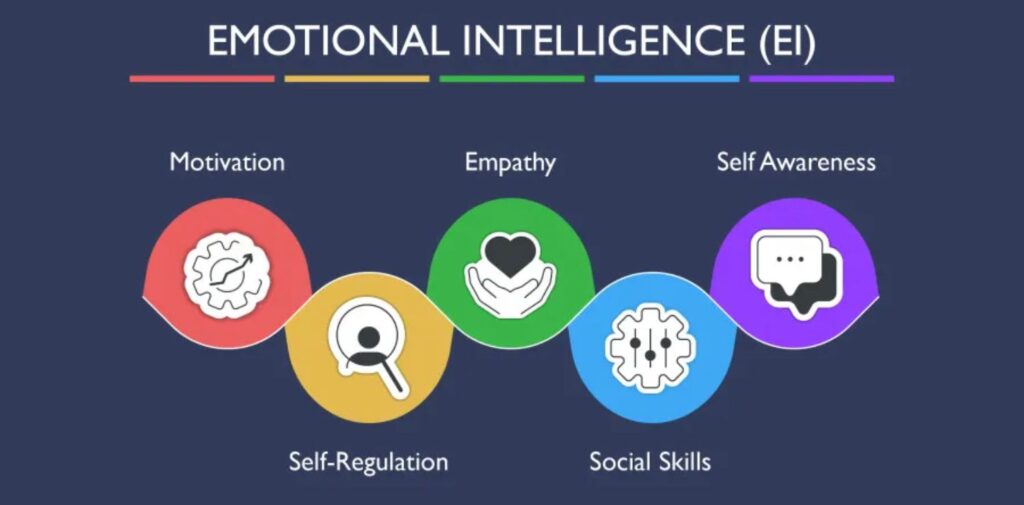
Emotional intelligence can be broken down into five key components:
- Self-awareness: The ability to recognize and understand your emotions and their impact on your thoughts and behavior.
- Self-regulation: The ability to control your emotions, impulses, and behaviors in healthy ways.
- Motivation: Being driven to achieve goals for reasons beyond external rewards, driven by internal values.
- Empathy: The ability to understand and share the feelings of others.
- Social skills: The ability to manage relationships and build networks, working effectively in groups and managing conflicts.
Why Emotional Intelligence Matters in Our Daily Lives
In India, where society places great importance on relationships—be it with family, friends, colleagues, or in our broader communities—it is crucial. It helps people maintain harmonious relationships, manage stress effectively, and make sound decisions that positively impact their lives and the lives of others.
Better Relationships and Communication
In any culture, good communication is the key to strong relationships, and emotional intelligence plays a big role in effective communication. When you have high emotional intelligence, you are better at recognizing how others feel, which enables you to respond with empathy. This is especially important in India, where family values and relationships are highly valued. Whether you’re dealing with a tense situation with a family member or handling a disagreement with a colleague, being able to regulate your emotions and respond empathetically can go a long way in preventing misunderstandings and maintaining peace in relationships.
Managing Stress and Conflict
Stress and conflict are part and parcel of life. But how you handle these situations makes all the difference. In India, where there are often high expectations at work and in personal life, emotional intelligence helps you cope better with stress. Someone with high emotional intelligence knows how to remain calm under pressure and think clearly when faced with a challenging situation. Instead of reacting impulsively, they can manage their emotions and approach the problem with a balanced perspective.
Furthermore, in India, where people are deeply involved in social and family dynamics, conflicts often arise. Emotional intelligence allows individuals to manage conflicts more effectively, enabling them to find mutually beneficial solutions rather than letting arguments escalate into bigger issues. For instance, a person with strong emotions can recognize that their colleague’s frustration at work is not personal but rooted in external pressures. This recognition enables them to address the issue calmly, avoiding unnecessary tension.

Enhancing Leadership and Workplace Success
In the workplace, it is a critical skill for both employees and leaders. Leaders who possess emotional intelligence are better at motivating their teams, handling workplace stress, and building trust among their employees. In India, a country known for its fast-growing economy and corporate sector, it’s can be a major asset in climbing the career ladder.
Employees who can recognize their own emotions and the emotions of their colleagues are more likely to succeed in team environments. They are able to understand what drives their coworkers, resolve conflicts with diplomacy, and build positive relationships, which leads to better collaboration and overall success in their professional lives. Additionally, individuals with high intelligence are generally more adaptable to change, an essential trait in today’s rapidly evolving work environment.
Improved Decision-Making and Problem-Solving
Emotions can cloud judgment, but emotional intelligence helps individuals make better decisions by managing emotional responses. In India, where cultural and societal pressures are sometimes overwhelming, it’s essential to make decisions that are not only rational but also considerate of how others might feel. High EQ helps people consider the emotional aspects of situations, which can lead to decisions that are both wise and compassionate.
Whether it’s a personal decision about relationships or a professional decision at work, someone with strong emotional is less likely to act impulsively. They are more likely to pause, reflect on how they feel, and consider the feelings of others before making a final choice. This reflective process leads to better outcomes for everyone involved.
Improving Mental Health and Well-Being
Mental health awareness is increasingly becoming a significant topic in India, with people recognizing the importance of emotional well-being. One of the ways that contributes to mental health is by helping individuals regulate their emotions and cope with stress in healthier ways. When you can recognize and understand your emotions, you are better equipped to deal with difficult feelings such as anger, sadness, and frustration.
Moreover, high emotional intelligence helps people develop resilience, which is the ability to bounce back from setbacks. This ability to manage and regulate emotions effectively can protect against feelings of depression and anxiety, leading to improved mental health overall. In a society like India, where emotional well-being is often overlooked in favor of other priorities, the importance of developing emotional intelligence cannot be stressed enough.
How to Develop Emotional Intelligence
The good news is that emotional intelligence is not fixed—it can be developed over time. Here are a few ways to enhance your EQ:
- Practice Self-Awareness: Spend time reflecting on your emotions and how they influence your behavior. Journaling can help you gain insight into your feelings and responses.
- Develop Empathy: Try to see things from other people’s perspectives. Listen actively and be present in your conversations.
- Learn to Manage Stress: Engage in stress-reducing activities like meditation, exercise, or spending time with loved ones.
- Improve Communication Skills
- : Focus on both speaking and listening. When you understand how others feel, you can communicate more effectively and empathetically.
- Seek Feedback: Ask for feedback from friends, family, or colleagues to help you improve your emotional responses and behavior.
Conclusion
In a world that’s constantly changing, emotional intelligence is one of the most valuable skills you can develop. It allows you to navigate relationships, manage stress, make better decisions, and enhance your mental well-being. For people in India, where family and social connections are an integral part of life, emotional intelligence holds even greater importance. By cultivating emotional intelligence, you can improve your personal and professional relationships, create a healthier mindset, and lead a more fulfilling life.
So, take the time to invest in your emotional growth, and you’ll find that the rewards—both personally and professionally—are immeasurable.