

In today’s busy world, time management is important for everyone – whether you live in a big city or a small village. Many people think that time management is only needed for office workers or businessmen, but that is not true. Even people living in small towns and villages, including farmers, shopkeepers, students, homemakers, and elders, need to manage their time to live a better, stress-free life.
In villages and small towns of India, life may move a bit slower than in big cities, but people still have many responsibilities. From daily household chores to farming, from attending schools to running small businesses, there are several tasks that require good time planning. This article is written especially for the Indian audience, in simple language, to help understand how time can be used more effectively.
Why Time Management is Important in Rural Life
In rural areas, people often wake up early and sleep early, following a natural lifestyle. But even then, many feel that there’s not enough time to finish everything. This happens because we may not be organizing our day well. Some time gets wasted in unnecessary chatting, mobile phone usage, or doing things without planning.
Proper time management helps in:
- Reducing stress and confusion
- Finishing work faster and more smoothly
- Giving more time to family and self
- Creating balance between work and rest
- Increasing productivity, even with limited resources
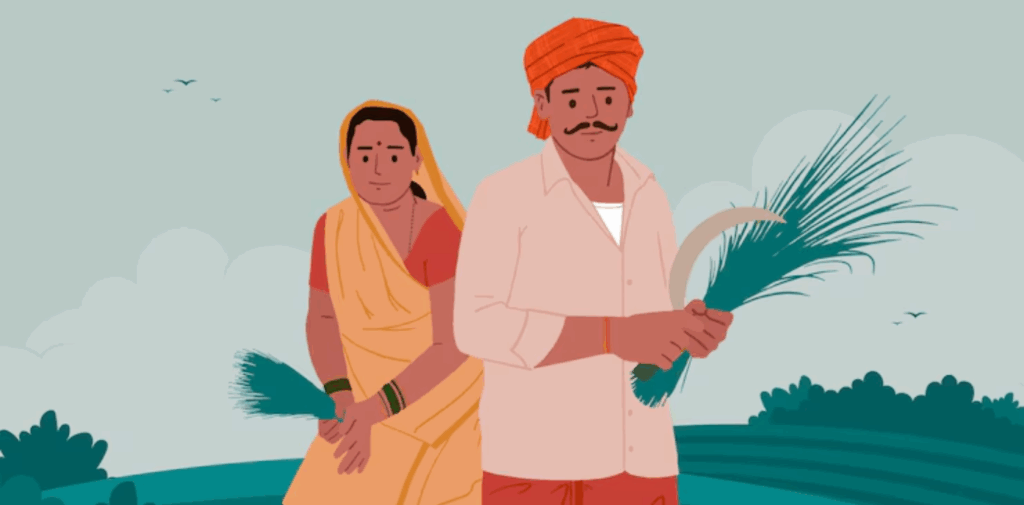
If a farmer manages time well, he can take better care of his crops and also rest. If a student plans his study time well, he can also enjoy sports and hobbies. If a homemaker manages time smartly, she can complete all work and still find time for learning or relaxation.
Understanding Your Daily Routine
The first step in managing time is to understand your daily routine. You can take a notebook and write down your activities from morning to night for 2 or 3 days. This will show you how your time is being used.
Ask yourself:
- What are the most important tasks of my day?
- Which activities take more time than they should?
- How much time am I spending on mobile, TV, or gossip?
- Can I combine some tasks or remove unimportant ones?
This small step of watching your routine will help you find areas where time can be saved and used for better things.
Create a Simple and Flexible Daily Plan
Once you understand your daily routine, make a small timetable, it would help you in reducing stress. It doesn’t need to be perfect or very strict. Just divide your day into blocks for different tasks.
For example:
- Morning: Cleaning, cooking, farming or shop work
- Afternoon: Lunch, rest, kids’ homework, light chores
- Evening: Extra work, community meetings, prayers
- Night: Dinner, family time, sleep
Keep some time free for unexpected tasks like guests, rain, health problems, or any emergency. A flexible plan is better than a fixed one, especially in villages where nature and surroundings play a big role.
Also, try using “to-do” lists. Every morning or the night before, write 4–5 things you must do the next day. Tick them off one by one. It gives a sense of achievement and keeps you focused.

Use Local Resources Smartly
People in villages and small towns may not have access to many modern tools, but they have strong traditional knowledge and community support. This can be used in smart ways.
- If you are a farmer, plan your farming tasks based on the weather, seasons, and government advisories.
- Use the time of day wisely – for example, do heavy work early in the morning or late in the evening to avoid the heat.
- For women, working together in small groups (self-help groups) can help divide tasks and save time.
- Use bicycles or shared vehicles to reduce travel time.
- Listen to radio or mobile apps while working to gain knowledge or stay updated.
Time saved through small smart actions can be used for learning new skills, helping children in studies, or taking proper rest.
Avoid Time Wasters and Build Good Habits
In small towns and villages, people are very social, which is a good thing. But sometimes, too much gossiping, long phone calls, or spending hours on social media can waste precious time.
Some common time wasters include:
- Watching TV for too long
- Using mobile without purpose
- Overthinking or worrying
- Delaying important work
Instead of these, try building habits like:
- Reading a book or newspaper for 15–20 minutes a day
- Doing Yoga or going for a walk
- Spending quality time with children or elders
- Organizing your things to avoid wasting time later
Good habits lead to better time use and better health – both physical and mental.

Teach and Practice Time Value in the Family
In rural India, children often learn by watching their parents and elders. If you use your time wisely, they will also learn the same. Involve your family in time planning.
- Make a study timetable with your children
- Divide housework among family members
- Teach children the importance of punctuality
- Encourage elders to follow routines for medicine, rest, and walking
When the whole family values time, life becomes more peaceful and productive.
Also, use Sundays or holidays for planning the week ahead. You can sit with your family and discuss what needs to be done, such as buying groceries, going to the doctor, school work, or attending social functions.
Use Time for Personal Growth and Learning
People in villages often think that learning is only for school-going children. But in today’s time, learning is for everyone. Even if you are a farmer, tailor, driver, or housewife, learning new things can help you grow and save time.
You can use free time for:
- Learning new farming techniques from Krishi Kendra or YouTube
- Taking free government or NGO training programs
- Attending local workshops or job fairs
- Learning English or basic computer skills from mobile apps
- Teaching others and creating a learning group in your village
This not only uses your time well but also builds your confidence and opens up new opportunities.
Conclusion: A Better Life Through Better Time Use
Time is like water in your hand — if you don’t hold it carefully, it will slip away. Whether you live in a metro city or a small village, managing time is key to a happy and successful life.
For people in small towns and villages, time management does not mean adding pressure or becoming too strict. It means living in a more organized and peaceful way, where you can do your work, care for your family, and still have time for yourself.
By understanding your routine, creating a simple plan, using resources smartly, avoiding time wasters, and encouraging family involvement, you can bring a big change in your daily life.
Remember, you don’t need expensive tools or high education to manage time. All you need is awareness and small efforts every day.
Start today, take control of your time, and see how your life becomes more meaningful, balanced, and joyful.