

In any organization, people from different backgrounds, cultures, beliefs, and work styles come together to work towards common goals. While diversity brings creativity and innovation, it also brings differences in opinions, misunderstandings, and sometimes conflicts. Conflict Resolution is a natural part of any workplace, but how it is managed decides whether it turns into a serious problem or an opportunity for growth. This is where the Human Resource (HR) department plays a vital role.
The HR department is not just responsible for hiring and payroll; it is also the backbone of maintaining peace and balance in an organization. In the Indian work culture, where relationships, respect, and emotions play a big role, HR professionals need to be skilled in understanding and resolving conflicts with sensitivity and fairness.

Understanding the Nature of Workplace Conflict
Workplace conflict resolution can happen for many reasons. Sometimes, it may arise due to communication gaps, unequal workloads, personal differences, unclear job roles, or even unhealthy competition. In Indian companies, generational gaps, hierarchy, and cultural values can also be common causes of conflict resolution.
For example, a younger employee may prefer a fast-paced work style using digital tools, while a senior colleague may be more comfortable with traditional methods. If their expectations and working styles are not aligned, conflicts can arise.
Conflict does not always mean loud arguments or open fights. Sometimes, it is silent – like avoiding a colleague, lack of cooperation, or a drop in team morale. If ignored, even small issues can affect productivity, teamwork, and the overall work environment.
HR as a Neutral and Supportive Bridge
The HR department acts as a neutral bridge between employees and management. When a conflict resolution arises, employees expect HR to listen to both sides without bias and take fair actions. In Indian organizations, where personal emotions and relationships often influence professional behavior, HR’s role becomes even more crucial.
An effective HR professional ensures that no employee feels neglected or unheard. They build trust among employees and create a safe space where people can express their concerns without fear of judgment or retaliation.
HR should not only react to conflicts but also proactively work to prevent them. Regular communication, team-building activities, feedback sessions, and employee engagement programs help build stronger relationships among staff and reduce the chances of misunderstandings.
Steps HR Takes to Resolve Conflicts
Resolving conflicts is a step-by-step process. Here’s how HR typically handles it:
- Listening to the Concern – The first step is to listen to the people involved in the conflict. HR should ensure that each party gets a fair chance to speak and explain their side of the story. Listening patiently without interrupting is very important.
- Understanding the Root Cause – Once the concern is shared, HR needs to identify the root cause of the problem. Is it a communication issue, role confusion, personal ego clash, or something else? Understanding the real issue helps in finding the right solution.
- Investigating the Matter – If needed, HR may talk to other team members, check emails or reports, and gather relevant information. This ensures that the decision is based on facts, not assumptions.
- Finding a Fair Solution – After understanding the complete situation, HR discusses possible solutions with both parties. The goal is not to find who is right or wrong but to find a practical and peaceful way forward.
- Taking Corrective Action – Sometimes, HR may need to change team structures, clarify roles, or provide training in communication or leadership skills. If someone has broken company rules, disciplinary action may also be taken.
- Following Up – Even after the conflict is resolved, HR should follow up to ensure that the issue does not reoccur. This also shows employees that HR truly cares about long-term peace and performance.
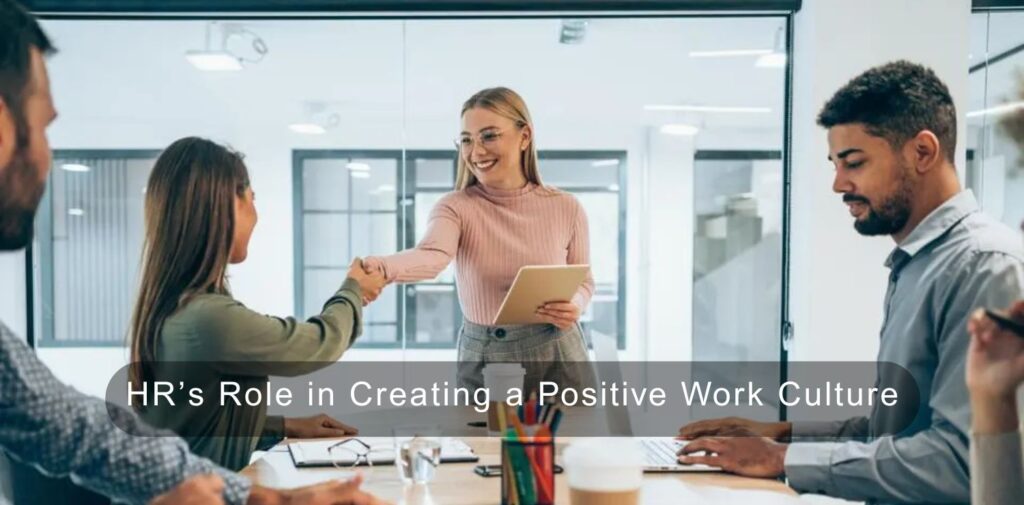
HR’s Role in Creating a Positive Work Culture
Preventing conflicts is as important as resolving them. HR plays a big role in shaping an organization’s culture. A positive and respectful work environment reduces the chances of serious conflicts.
To build such a culture, HR can take the following steps:
- Conduct regular training sessions on communication skills, emotional intelligence, and team collaboration.
- Promote open-door policies where employees feel free to approach HR or their managers without fear.
- Introduce grievance redressal systems where employees can report concerns anonymously if needed.
- Encourage team bonding activities like picnics, cultural events, or games to build friendships beyond work.
- Ensure fair treatment and equal opportunities for all, regardless of background, gender, or position.
In India, where respect for authority is deeply rooted, some employees may hesitate to speak up. HR needs to make extra efforts to ensure that everyone’s voice is heard, especially in cases of harassment or unfair behavior.
Challenges Faced by HR in Conflict Management
While HR plays a critical role, their job is not always easy. They may face several challenges like:
- Bias and favoritism – Some employees may feel that HR is closer to management and not truly neutral.
- Lack of trust – If previous conflicts were handled poorly, employees may not trust HR to resolve issues fairly.
- Cultural barriers – India is a diverse country. People from different regions may have different languages, values, and beliefs. HR needs to be culturally sensitive.
- Emotional involvement – In some cases, conflicts may become very emotional. HR needs to stay calm and professional while understanding human emotions.
To overcome these challenges, HR must be trained in soft skills, psychology, and modern HR practices. They should stay updated with labour laws and ethical standards to manage conflicts legally and respectfully.
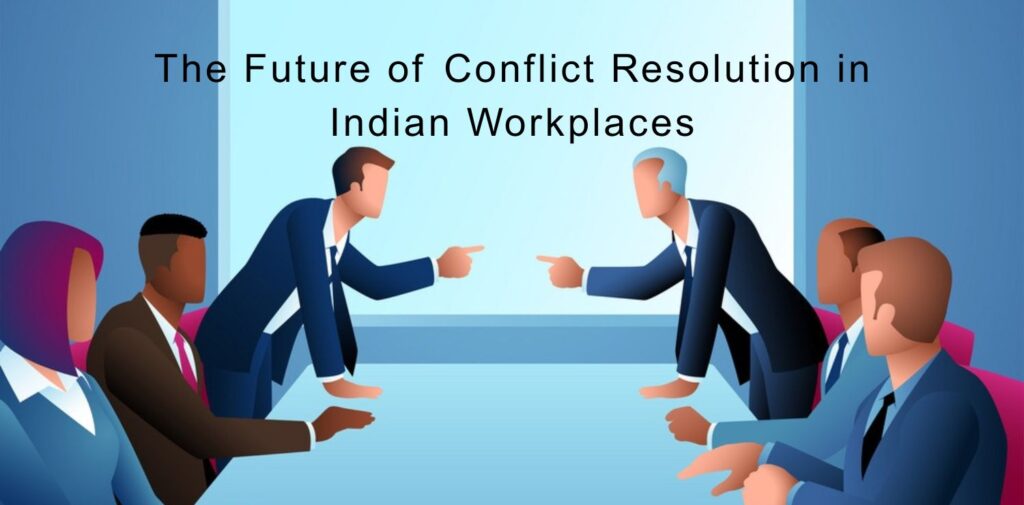
The Future of Conflict Resolution in Indian Workplaces
With changing work environments, especially after the rise of remote and hybrid working, HR’s role in conflict management is also evolving. Virtual communication can increase chances of misunderstanding. HR now needs to create digital channels for feedback, complaints, and discussions.
Also, younger generations in India are more open, expressive, and value work-life balance. HR needs to be flexible and more empathetic in handling new-age workplace concerns.
Companies are also investing in Employee Assistance Programs (EAPs), mental health support, and third-party mediation services. These steps show that Indian companies are recognizing the importance of healthy and happy employees.
Conclusion: HR as the Peacekeeper of the Workplace
In conclusion, HR is not just a department – it is the heart of an organization that keeps people connected, motivated, and peaceful. In India, where emotions, values, and relationships are deeply woven into the workplace, HR professionals must act as counselors, leaders, and problem-solvers.
Their role in conflict resolution is not about controlling people but about guiding them to work together with understanding and respect. When HR successfully handles conflicts, it leads to better teamwork, higher productivity, and a workplace that employees are proud to be a part of.
A peaceful workplace is not one without conflict, but one where conflicts are resolved with maturity and fairness. And HR is the key to making that possible.