

In today’s changing job market, two terms have become very common: employee loyalty and job hopping. Both have different meanings, and both reflect how people think about their careers. Employee loyalty means staying with one company long, growing with it, and building trust. On the other hand, job hopping means switching jobs frequently, usually within 1 to 3 years, in search of better opportunities, salaries, or work-life balance.
In India, earlier generations often stayed with one company for decades. Government jobs were considered the dream because of job security and pension benefits. However, with globalisation, the rise of private companies, and changing career expectations, the younger generation today is more open to changing jobs frequently.
So, which is better – staying loyal to one company or switching jobs every few years? Let’s explore both sides to help you make better career decisions.

The Benefits of Employee Loyalty
When an employee stays in one company for a long time, there are several benefits for both the employee and the employer. Companies value loyal employees because they understand the business deeply and contribute to long-term growth.
From the employee’s side, being loyal builds a strong professional reputation. People who work in the same organisation for many years are often seen as dependable, trustworthy, and dedicated. Many companies reward such employees with promotions, salary hikes, and other benefits over time. Also, they gain deep knowledge and experience that helps in leading teams and managing bigger responsibilities.
In Indian companies, especially traditional and family-run businesses, loyal employees are often treated like family. They enjoy job security and emotional satisfaction. Also, many senior positions in companies are filled from within, giving loyal employees a chance to grow steadily in their careers.
The Changing Trend: Why Job Hopping is Becoming Popular
Despite the advantages of employee loyalty, job hopping has become quite common, especially among young professionals in metro cities. One of the biggest reasons is the rapid growth of startups and the IT sector. These industries offer better packages and faster career growth, attracting employees to change jobs frequently.
Another reason is that employees today are more focused on their development. If one company does not offer good learning opportunities, work culture, or career progression, people prefer to switch instead of staying stuck. Job hopping also gives exposure to different industries, technologies, and work environments.
In India, many professionals believe that switching jobs every 2-3 years can lead to higher salary hikes compared to staying in one company for 5-6 years. The fast-paced work culture, rising cost of living, and growing ambitions are also reasons why more people are comfortable with job hopping.

Comparing Long-Term vs. Short-Term Gains
It is important to compare both options carefully. Employee loyalty offers long-term stability, strong relationships within the company, and internal growth opportunities. Over time, the employee becomes a key part of the company and may enjoy more respect, job satisfaction, and a leadership role.
Job hopping, on the other hand, gives quick benefits. If done smartly, it can lead to faster promotions, exposure to different industries, and a better work-life balance. But if done too frequently, it can also raise questions during interviews. Recruiters may think the candidate lacks patience or is not committed.
In India, many HR managers prefer a balanced approach. They do not mind candidates who have changed 2-3 jobs in 8-10 years, but if someone has switched 5 jobs in 5 years, it can be a red flag. It shows instability and may affect your credibility.
How to Decide What’s Right for You
The decision between being loyal to a company or changing jobs depends on individual goals, industry type, and personal situation. There is no one-size-fits-all answer.
If your current company values your work, offers learning opportunities, respects your personal life, and gives you a clear path for growth, staying loyal can be a wise choice. Over time, your trust and dedication can pay off.
But if you feel stuck, unappreciated, or if your skills are not being used properly, switching jobs might be the right move. Sometimes, leaving your comfort zone helps you grow faster. Just make sure to plan your moves smartly, not emotionally.
Also, try to avoid jumping jobs just for a small salary hike. Look at the bigger picture—what kind of experience you will get, how the new job will add to your profile, and whether the company has good long-term potential.
The Role of Indian Work Culture
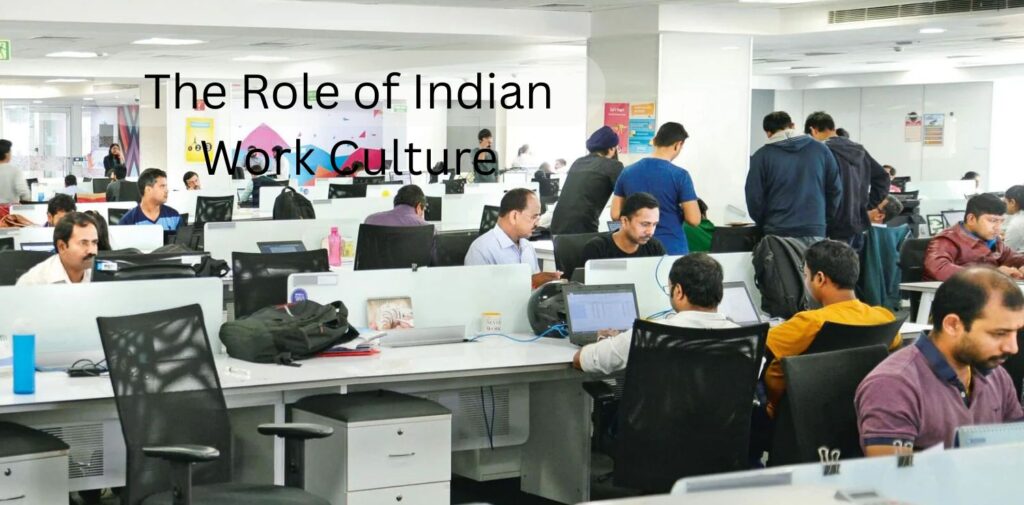
India’s work culture is going through a major shift. Earlier, people looked for jobs that offered stability. Today, professionals want meaningful work, work-life balance, flexible timings, and a good company culture. Employers are also changing and are becoming more open to flexible work arrangements.
Many Indian companies are trying to retain employees by offering better learning platforms, mental health support, and fast-track career paths. But still, job satisfaction is not guaranteed, and many people feel that switching jobs is the only way to grow.
At the same time, employers are also becoming more selective. They want employees who bring value and stay for at least 2-3 years. So, even if you decide to change jobs, make sure you stay long enough to learn, deliver results, and leave on good terms.
Conclusion: Finding a Balanced Approach
In the end, both employee loyalty and job hopping have their pros and cons. The best approach is to be strategic about your career. Avoid changing jobs too frequently just for short-term gains, and don’t stay in one company too long if it’s holding you back.
Think of your career as a long-term journey. Focus on learning, building skills, and growing as a professional. If your current company supports that, stay and grow with them. If not, be open to new opportunities, but move wisely.
Indian professionals today have more choices than ever before. Whether you choose loyalty or job hopping, make sure it aligns with your personal goals and gives you a fulfilling career.