
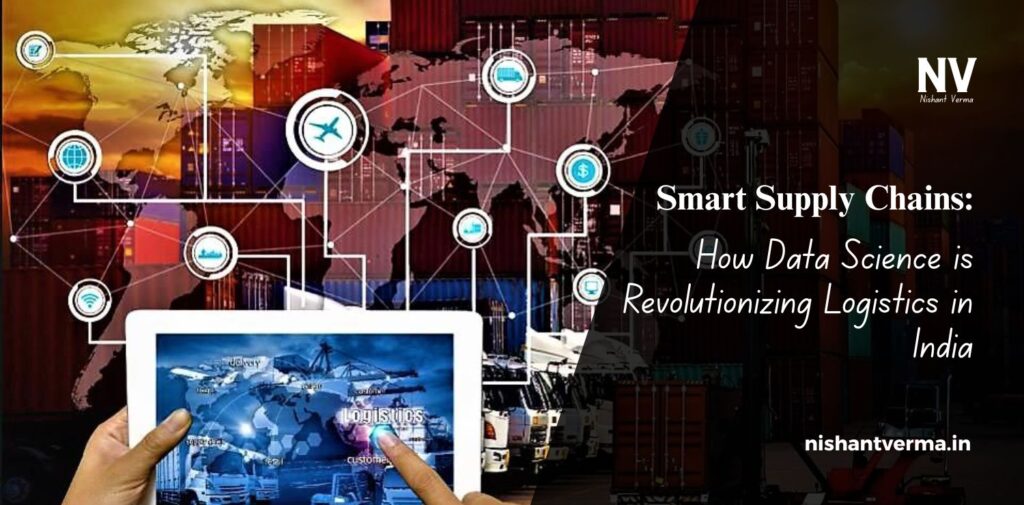
Supply chains are the backbone of any business, especially in a country like India where products travel long distances from factories to customers. But in such a complex system, managing everything from raw materials to delivery is not easy. That’s where data science steps in. Using data science in supply chain optimization is becoming a game-changer for many companies in India.
In this article, we will explore how data science is making supply chains smarter, faster, and more cost-effective. We’ll also go through a real-life case study that shows how Indian companies are using this technology to stay ahead in a competitive market.

Understanding the Basics: What is Supply Chain Optimization?
Before we jump into the role of data science, let’s understand what supply chain optimization actually means. In simple words, it is the process of making a supply chain work in the best possible way. This includes reducing costs, improving delivery times, avoiding stockouts, and increasing customer satisfaction.
A typical supply chain involves several steps like sourcing raw materials, manufacturing, warehousing, transportation, and distribution. Any delay or mistake in one step can affect the entire process. That’s why optimization is so important. The better the supply chain works, the more successful the business becomes.
Why Data Science is a Perfect Fit for Supply Chains
Now you might be wondering – how can data science help in supply chain management? The answer lies in the massive amount of data that companies collect every day. Every time a product is scanned at a warehouse, shipped to a store, or delivered to a customer, data is created. When this data is properly analyzed, it can reveal patterns, trends, and insights that help in making smarter decisions.
Here are some common ways data science is used in supply chain optimization:
- Demand forecasting – Predicting what products will be needed in the future
- Inventory management – Avoiding overstock or understock situations
- Route optimization – Finding the fastest and cheapest way to deliver goods
- Supplier performance tracking – Checking how reliable suppliers are
- Risk management – Identifying possible issues before they happen
These methods are already being used by companies worldwide, and now Indian companies are also adopting them quickly.
Case Study: How an Indian FMCG Company Improved Its Supply Chain Using Data Science
Let’s take a real-world example. Consider an Indian FMCG (Fast-Moving Consumer Goods) company – let’s call it “FreshGo” for this case study. FreshGo produces and distributes packaged food products like snacks, beverages, and ready-to-eat meals across India.
The company was facing major issues:
- Frequent stockouts in rural areas
- High transportation costs
- Poor visibility into product movement
- Wastage of perishable items
To solve these problems, FreshGo decided to implement data science solutions.

Step 1: Collecting and Cleaning the Data
First, they started gathering data from all parts of their supply chain – sales data from retailers, warehouse records, GPS tracking of trucks, supplier reports, and even weather data. However, raw data is often messy, so the team cleaned it using data cleaning tools to remove errors and duplicates.
Step 2: Forecasting Demand with Machine Learning
Next, the company used machine learning models to predict demand. For example, during the festival season, certain snacks were in high demand in Northern India. The model learned this pattern and helped plan inventory accordingly. This reduced stockouts and improved customer satisfaction.
Step 3: Optimizing Delivery Routes
Using data from GPS and Google Maps API, FreshGo created smart algorithms that suggested the most efficient delivery routes. This saved fuel, reduced delivery time, and helped the company lower its carbon footprint.
Step 4: Monitoring Supplier Performance
By analyzing past performance data, the company could see which suppliers delivered on time and which ones often delayed shipments. They renegotiated contracts with better-performing suppliers and improved overall efficiency.
Step 5: Real-time Dashboards and Alerts
Finally, FreshGo built dashboards that showed real-time updates of inventory levels, truck locations, and order statuses. If a truck was delayed, the system would automatically alert the warehouse to prepare for late unloading.
The results? Within 12 months, the company reported:
- 18% reduction in transportation cost
- 25% drop in product wastage
- 30% improvement in on-time deliveries
- Huge improvement in rural product availability
This clearly shows how data science can make a big difference.
Benefits of Data-Driven Supply Chains for Indian Businesses
The benefits of using data science in supply chain optimization are not limited to big companies. Even small and medium businesses (SMEs) in India can take advantage of this technology. Here are some major benefits:
- Cost savings – Smart planning reduces waste and unnecessary spending
- Faster deliveries – Efficient routes and warehouse management speed up the process
- Better customer satisfaction – Products are available when and where they are needed
- Reduced risks – Predictive models warn about delays, breakdowns, or disruptions
- More transparency – Companies can track every item in the supply chain
In India, where infrastructure challenges and regional diversity create complexities, having a data-driven approach can be extremely helpful.
Tools and Technologies Used in Supply Chain Data Science
There are many tools available that Indian companies can use for supply chain analytics. Some popular ones include:
- Python and R – For building machine learning models
- Power BI and Tableau – For creating interactive dashboards
- SQL and NoSQL databases – For storing and querying data
- Google Maps API – For location tracking and route optimization
- ERP and SCM software – Like SAP, Oracle, and Zoho for managing operations
Even startups and smaller companies can start with low-cost or open-source tools before moving on to bigger platforms.
Challenges and How to Overcome Them
Of course, adopting data science in supply chains is not without challenges. Some common issues include:
- Lack of skilled data professionals
- Poor quality or incomplete data
- Resistance to change from traditional systems
- High initial investment in technology
To overcome these challenges, companies should invest in training, start with small pilot projects, and slowly scale up as they see results. Government initiatives like “Digital India” and “Startup India” are also encouraging digital transformation in businesses.
Final Thoughts: The Future is Smart and Data-Driven
As India continues to grow as a global economic hub, supply chain efficiency will become more and more important. Data science offers the perfect toolkit for companies to manage this complexity with intelligence and agility.
Whether you run a small business selling goods online or a large manufacturing unit, using data science can help you reduce costs, improve customer experience, and stay competitive. And the best part? You don’t need to be a tech expert to get started. All it takes is a willingness to adapt and learn.
So if you’re in the business world and looking to optimize your operations, data science is not just a buzzword – it’s your next smart move.