

In today’s digital age, where online payments, banking apps, and e-commerce are growing at lightning speed, the threat of fraud is also increasing. From OTP scams to fake UPI links, fraudsters are becoming smarter by the day. That’s where Machine Learning (ML) comes into the picture. Machine Learning helps businesses and banks detect and stop fraud before it causes major damage. But how does it work, and why is it so useful, especially in a country like India?
Let’s explore the world of fraud detection through Machine Learning in a simple and easy-to-understand way.
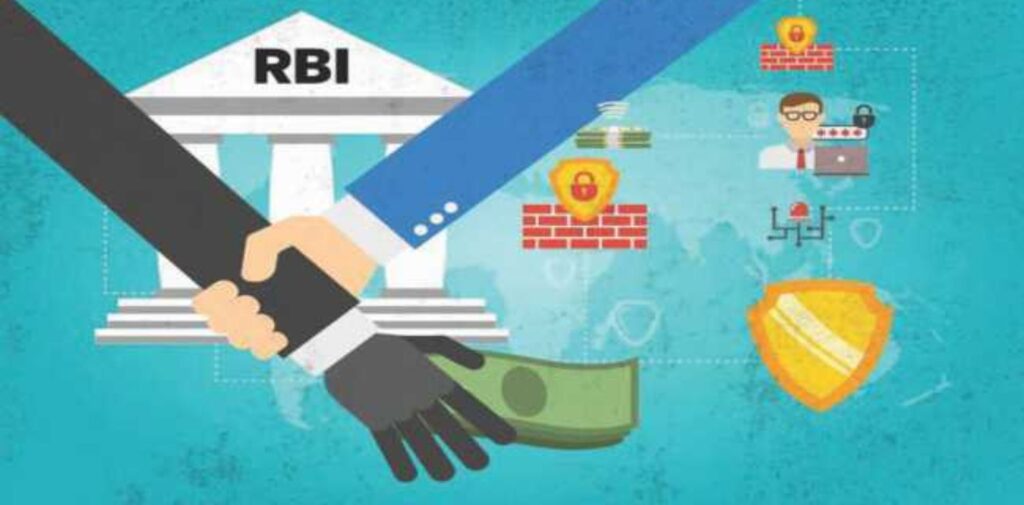
Understanding Fraud in the Indian Context
Fraud means cheating or tricking someone to steal money or sensitive information. In India, frauds are happening in various forms. Here are some common types:
- Credit card and debit card frauds
- Fake bank calls asking for OTPs or account details
- Online shopping scams on fake websites or social media ads
- Loan scams with fake documents
- Insurance claim frauds
- Mobile wallet frauds like Paytm, Google Pay, PhonePe, etc.
With the rise of digital India and increased smartphone usage, millions of transactions happen every day. Manually checking each transaction is impossible. That’s why banks, fintech companies, and even government departments are turning to Machine Learning to catch fraud automatically.
What is Machine Learning and How Does it Help?
Machine Learning is a type of Artificial Intelligence (AI) where computers learn from data and make smart decisions without being told what to do every time. It’s like teaching a child how to recognize a pattern. Once they learn, they can identify it even in new situations.
In the case of fraud detection, Machine Learning models are trained using real transaction data – which transactions were genuine and which were frauds. Over time, these models learn to detect suspicious patterns.
For example, if someone usually shops only in Mumbai and suddenly there’s a transaction in New York, the system can detect this as abnormal and alert the user or block the transaction.
How Fraud Detection Using Machine Learning Works
Let’s break this down into simple steps:
- Data Collection – Data from thousands or even millions of transactions is collected. This includes location, time, amount, device used, IP address, and more.
- Feature Selection – Important details (called features) are selected from this data. For example, how often the person shops, at what time, from which device, etc.
- Training the Model – A Machine Learning model is created and fed with data. It learns what a normal transaction looks like and what a fraudulent transaction looks like.
- Prediction and Alerts – Once trained, the model can predict if a new transaction is suspicious. If something seems off, it can immediately raise an alert or stop the transaction.
- Feedback Loop – Every time the system makes a mistake (like marking a genuine transaction as fraud), it is corrected. The model learns from these errors and gets better with time.

Why Machine Learning is Perfect for India
India is a fast-growing digital economy with a huge number of daily online transactions. From cities to villages, people are using mobile apps for payments, shopping, and banking. But with more digital activity, fraud is also growing.
Here are a few reasons why Machine Learning is a great fit for India:
- Speed and Scale: ML can scan lakhs of transactions in seconds. This is perfect for large-scale platforms like UPI, Paytm, SBI, or ICICI Bank, where huge numbers of transactions happen every minute.
- Language and Regional Differences: Machine Learning models can be trained on local language data and behavior patterns. For example, a model trained on rural UP data will behave differently from one trained on urban Bengaluru data.
- 24×7 Monitoring: ML doesn’t sleep. It can monitor transactions round the clock and catch fraud in real time, something that human teams cannot do.
- Low Cost Over Time: Initially, building ML systems may cost money. But once set up, they save a lot more by preventing frauds and reducing manpower costs.
Real-Life Examples of ML in Action in India
- Banks – Big Indian banks like HDFC, ICICI, SBI, and Axis Bank use Machine Learning to detect fraud. If someone withdraws a large amount from a new city or makes an unusual purchase, the bank may ask for verification.
- UPI and Wallets – Apps like Google Pay, PhonePe, and Paytm use ML to monitor transaction behavior. They alert users of suspicious links or block risky payments.
- E-commerce Platforms – Amazon, Flipkart, and Myntra use ML to catch fake sellers, return frauds, and payment-related scams.
- Insurance Companies – Companies like LIC or Bajaj Allianz use ML to detect false claims, repeated fake applications, and forged documents.
Challenges and Limitations
Machine Learning is powerful, but it’s not perfect. Here are some challenges, especially for India:
- Data Privacy: Collecting and using customer data must be done safely. India now has data protection laws, and companies must follow strict rules.
- Bias in Models: If the training data is biased (for example, based only on urban users), the model may give wrong results for rural users.
- False Alarms: Sometimes, even genuine users may face alerts or blocked transactions. This can lead to customer frustration.
- Infrastructure Issues: Smaller banks or rural cooperatives may not have the servers or engineers to implement ML easily.

The Future of Fraud Detection in India
The good news is that technology is improving every day. With government support, digital infrastructure in India is growing fast. The Reserve Bank of India (RBI) is also pushing for stronger fraud detection systems.
In the near future, we may see:
- Smarter ML systems that understand regional patterns and languages
- Voice-based fraud detection for customer service calls
- Facial recognition and biometric security powered by ML
- Collaboration between banks, telecoms, and the government to share fraud data
Conclusion: A Safer Digital India with Machine Learning
Fraud is a big threat, but Machine Learning gives us a smart way to fight back. For a country like India, where digital growth is massive and diverse, ML brings the right mix of speed, intelligence, and adaptability.
Whether you’re using UPI for daily chai payments, booking flights online, or running an online business, fraud detection systems powered by Machine Learning are quietly working in the background to keep you safe.
As more businesses adopt this technology, and as customers become more aware, India can build a strong digital economy that is not only fast and efficient but also safe and trustworthy.