
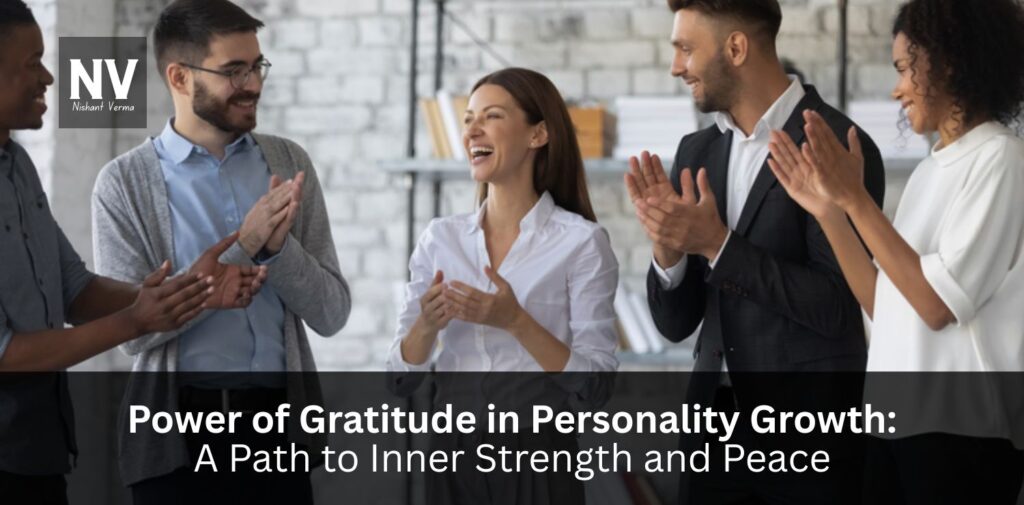
In today’s fast-paced world, where the pursuit of success often leads to stress and frustration, one simple yet powerful tool can have a profound impact on our well-being and personality growth: gratitude. It might seem like a small thing, but when practiced regularly, gratitude has the potential to shape our personality, enhance our relationships, and bring peace to our minds. This article explores how gratitude can play a pivotal role in personality growth and why it is particularly valuable in the Indian context.
What is Gratitude and Why Does It Matter?
Gratitude is the act of recognizing and appreciating the good things in life, no matter how big or small. It involves acknowledging the kindness and support from others and being thankful for the positive aspects of our lives. In the Indian culture, gratitude has always been an important value, often expressed in our prayers, rituals, and the way we interact with others. However, in the hustle of modern life, we often forget to pause and reflect on the things we should be grateful for.
Gratitude matters because it shifts our focus from what we lack to what we have. Instead of constantly chasing more material possessions or achievements, we begin to appreciate the present moment and the blessings in our lives. This change in perspective has a powerful impact on our mental health, emotional well-being, and personal growth.
How Gratitude Enhances Self-Awareness
One of the most significant benefits of practicing gratitude is the way it fosters self-awareness. When we make it a habit to reflect on the things we are grateful for, we begin to understand ourselves better. We start to notice what truly matters to us, what brings us joy, and what we value in life.
In India, where spirituality and self-awareness are deeply embedded in the culture, Gratitude becomes a tool for spiritual growth. Many people turn to practices like meditation and yoga, where gratitude plays a central role in connecting with the self. When we are grateful, we cultivate a deeper understanding of who we are, what we need, and what we can contribute to the world.
Gratitude Strengthens Relationships
A key element of personality growth is the ability to build and maintain strong relationships. Gratitude is one of the most effective ways to do this. When we express gratitude to others, it not only strengthens our bond with them but also encourages positive behavior. People are more likely to respond to kindness with kindness, creating a cycle of goodwill and mutual respect.
In Indian society, relationships are at the core of our lives. Whether it’s family, friends, colleagues, or neighbors, our connections with others shape our personalities. By regularly expressing gratitude, we show appreciation for the people around us, which in turn enhances our social bonds. Simple acts like saying “thank you” or acknowledging someone’s help can go a long way in creating lasting relationships built on trust and respect.
Gratitude and Emotional Resilience
Emotional resilience is the ability to bounce back from setbacks and challenges. Life in India, like anywhere else, comes with its fair share of difficulties—be it in personal relationships, career struggles, or health issues. In such times, gratitude can act as a powerful tool to cope with adversity.
When we practice gratitude, we train our minds to focus on the positives, even in tough situations. Instead of being overwhelmed by negative thoughts or feelings, we learn to appreciate the small wins, the moments of joy, and the support we receive. This helps in building emotional resilience, as we begin to see challenges not as obstacles but as opportunities for growth. Gratitude shifts our mindset from being victims of circumstances to active participants in our own healing and growth.

Gratitude and Positive Thinking
Positive thinking is a key factor in personality development. It influences our behavior, outlook on life, and how we approach challenges. This is closely tied to positive thinking because it encourages us to focus on the good in our lives rather than dwelling on what’s wrong.
When we make gratitude a daily practice, we begin to rewire our brains to notice the positive aspects of our experiences. For instance, instead of complaining about a busy schedule, we start appreciating the opportunities we have to learn and grow. This shift in perspective cultivates a more optimistic attitude towards life, which not only improves our mental well-being but also enhances our overall personality.
In the Indian context, positive thinking is often linked to concepts like “Santoshi” (contentment) and “Chintan” (self-reflection), which are deeply rooted in spiritual traditions. By practicing gratitude, we align ourselves with these timeless principles and foster a more positive, balanced approach to life.
Gratitude and Personal Growth: The Link Between Mind and Heart
True personal growth goes beyond achieving external goals; it involves cultivating a sense of inner peace and harmony. This is a bridge between the mind and heart, as it encourages us to acknowledge both our achievements and the emotional connections that make life meaningful.
In the Indian spiritual tradition, the concept of “Seva” (selfless service) is often intertwined with gratitude. By being grateful for the resources we have, we are inspired to share them with others, thus contributing to the greater good. This not only strengthens our sense of purpose but also accelerates our personal growth, as we develop empathy, compassion, and a deeper sense of fulfillment.
When we express gratitude, we open our hearts to the abundance around us. It helps us connect with our emotions and develop a deeper sense of empathy for others. This emotional growth is a key aspect of personality development, as it makes us more compassionate, patient, and understanding.
Practical Ways to Incorporate Gratitude into Daily Life
The good news is that cultivating gratitude doesn’t require a major life overhaul. It can be seamlessly integrated into your everyday routine with small, intentional steps:
- Gratitude Journal: Set aside a few minutes every day to write down three things you are grateful for. These can be anything from a kind gesture to the beauty of nature or even a personal achievement.
- Thank You Notes: Take the time to thank the people around you, whether through a message, phone call, or a handwritten note. It shows that you value their presence in your life.
- Mindful Appreciation: Practice being mindful of the positive aspects of each day. Whether it’s a warm cup of tea in the morning or a smile from a friend, take a moment to truly appreciate these small joys.
- Gratitude in Adversity: During tough times, instead of focusing on what’s going wrong, try to find one thing you can be grateful for. It could be the support of loved ones or the lessons learned from the experience.
- Volunteer: Engage in acts of kindness, whether by volunteering or helping someone in need. These selfless acts often bring out the best in us and increase our sense of gratitude.

Conclusion: Gratitude as a Key to Unlocking Your Full Potential
Gratitude is not just a feel-good emotion; it is a transformative practice that can significantly enhance your personality and life. By practicing gratitude regularly, you develop self-awareness, strengthen relationships, build emotional resilience, and cultivate positive thinking. In a country like India, where spirituality and community play such a vital role in life, gratitude serves as a bridge between our inner selves and the world around us.
By incorporating gratitude into your daily routine, you can unlock a new level of personal growth. It helps you connect with your inner peace, enrich your relationships, and develop a positive mindset that drives success. As we continue our journey towards self-improvement, let us remember that gratitude is one of the most powerful tools we have in our personal development toolkit.