
Technology is rapidly transforming every aspect of our lives, and one area where its impact has been particularly significant is Human Resources (HR). HR departments, once known for being a paper-heavy, administrative function, have now evolved into dynamic, tech-savvy teams that help organizations streamline processes, enhance employee experiences, and drive business growth. In India, where the workforce is vast and diverse, technology has made it easier for companies to manage talent, improve employee engagement, and foster productivity.
In this article, we will explore how technology is changing HR practices in India and why it is crucial for businesses to embrace these innovations.

The Shift from Paperwork to Digitalization
One of the biggest changes brought about by technology in HR is the shift from traditional paperwork to digital solutions. In the past, HR teams in India spent countless hours filling out forms, maintaining employee records, and manually tracking payroll data. This not only consumed a lot of time but also increased the chances of errors and data loss.
With the advent of HR software and digital tools, these tasks have been automated, allowing HR professionals to focus on more strategic initiatives. Cloud-based platforms like Workday, BambooHR, and Zoho People have become increasingly popular in India. These platforms offer a range of services such as employee data management, payroll processing, leave management, and recruitment tracking, all in one place. This means HR departments can now store, access, and manage employee data securely without the hassle of physical files.
Recruitment and Talent Acquisition
Recruitment is another area where technology is making a significant impact. In India, where there is a large and diverse pool of talent, finding the right candidate for a job can be a challenging task. However, technology has simplified this process through tools such as applicant tracking systems (ATS) and artificial intelligence (AI)-powered recruitment platforms.
ATS software helps HR teams to easily sort, track, and manage job applications. This eliminates the need to manually go through hundreds or thousands of resumes, making the process faster and more efficient. Moreover, AI-based platforms like X0PA and HireVue use algorithms to match candidates with job requirements, assess their skills, and even conduct initial video interviews. This not only speeds up the hiring process but also helps in identifying the best-fit candidates for the role, reducing bias and increasing diversity.
Employee Engagement and Well-being
Technology is also playing a crucial role in improving employee engagement and well-being. In a fast-paced country like India, where employees often work long hours and deal with high levels of stress, keeping workers engaged and motivated is essential for retaining talent. Technology offers various tools to address this challenge.
Platforms like Giva and Teamsense allow HR teams to gather real-time feedback from employees, helping them understand their concerns and needs. These platforms provide surveys, polls, and questionnaires that can be customized to gather insights on job satisfaction, work-life balance, and overall engagement. This feedback helps HR departments take timely action and improve employee morale.
Moreover, wellness apps like Headspace and Fittr are becoming increasingly popular in Indian companies. These apps offer resources like meditation exercises, fitness plans, and mental health support, helping employees manage stress and maintain a healthy work-life balance. By investing in such tools, companies demonstrate a commitment to their employees’ overall well-being, which can lead to increased job satisfaction and productivity.

Performance Management and Learning & Development
Technology has also redefined how organizations in India manage employee performance and foster growth. Traditional performance appraisals, which were typically done once a year, are being replaced with continuous feedback mechanisms. Cloud-based performance management tools such as SAP SuccessFactors and Oracle HCM Cloud allow managers to provide real-time feedback to employees, set goals, and track progress over time. This ensures that employees receive constructive feedback regularly, which helps them improve their skills and achieve better results.
Learning and development (L&D) is another area where technology is having a significant impact. With the rise of e-learning platforms such as Coursera, LinkedIn Learning, and Udemy, employees in India can access a wide variety of online courses that help them develop new skills. These platforms offer flexible learning schedules, making it easier for employees to learn at their own pace and convenience.
Moreover, companies are also implementing Learning Management Systems (LMS) to offer training programs, track employee progress, and create personalized learning paths. This helps HR teams in India ensure that employees are continuously upgrading their skills, which is essential in today’s competitive job market.
Data-Driven Decision Making
One of the most significant changes technology has brought to HR in India is the ability to make data-driven decisions. In the past, HR professionals often relied on intuition or anecdotal evidence when making decisions about recruitment, employee development, or performance management. However, with the help of analytics tools and HR dashboards, HR teams can now make more informed, objective decisions.
HR analytics tools can gather and analyze vast amounts of data to uncover trends and insights. For example, predictive analytics can help HR departments in India identify which employees are likely to leave the company, enabling them to take proactive measures to retain talent. Similarly, by analyzing employee performance data, HR can identify skills gaps and provide targeted training to employees.
Furthermore, tools like HR dashboards give HR teams a real-time overview of key metrics, such as employee turnover, engagement levels, and training completion rates. These insights allow HR leaders to identify areas for improvement and take corrective action quickly.
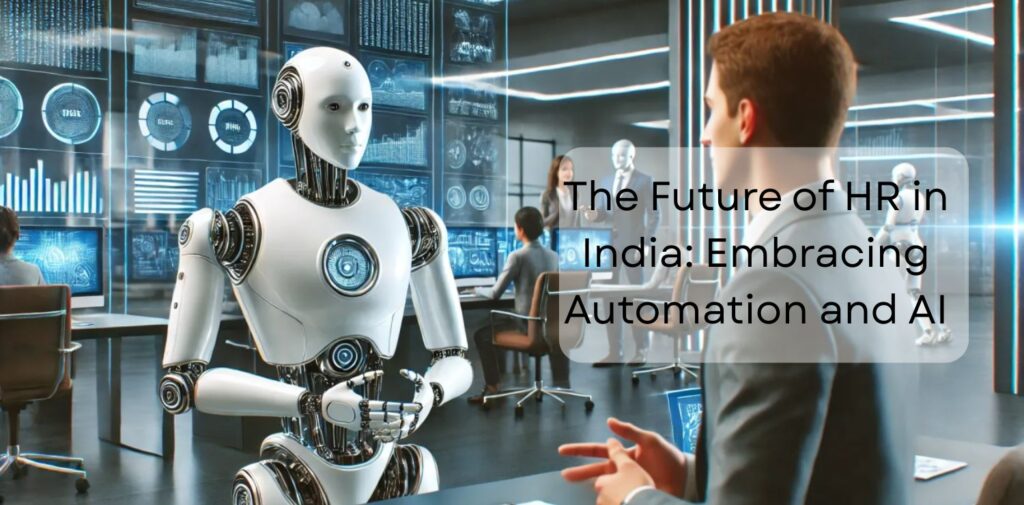
The Future of HR in India: Embracing Automation and AI
Looking ahead, the future of HR in India is closely tied to the continued development of artificial intelligence and automation. As technology continues to evolve, HR processes will become even more streamlined and efficient. For instance, chatbots powered by AI can already answer employees’ HR-related queries, schedule interviews, and even assist in onboarding. In the future, AI might also play a role in decision-making, helping HR teams to make predictions about employee performance, career development, and even compensation.
Furthermore, automation will continue to reduce the burden of repetitive tasks, allowing HR professionals to focus on more strategic functions like talent development and organizational growth. In India, where businesses are rapidly embracing digital transformation, adopting these technologies will be key to staying competitive in the global market.
Conclusion
Technology has undeniably revolutionized the HR landscape in India. From digitalizing administrative tasks to using AI and data analytics for better decision-making, HR departments are now more agile, efficient, and employee-centric. The ongoing evolution of technology will only continue to enhance HR functions, providing businesses with the tools they need to attract, retain, and develop top talent.
For Indian companies, staying ahead of the curve and adopting the latest HR technologies is essential for success. As we move further into the digital age, technology will play an even more critical role in shaping the future of work in India. Embracing these changes will not only help HR teams perform better but will also contribute to building a more engaged, productive, and satisfied workforce.