
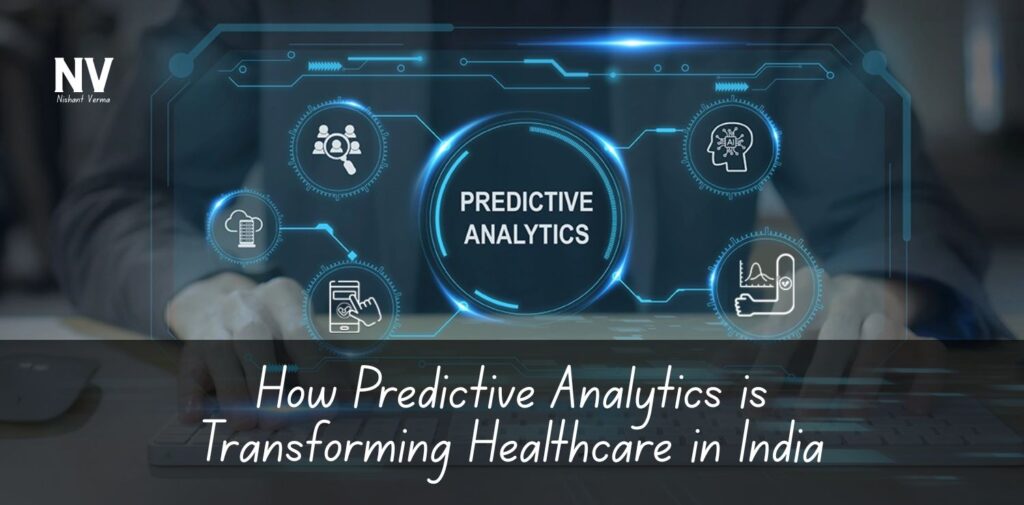
Healthcare in India is undergoing a silent revolution. With technology becoming an integral part of our lives, healthcare is no exception. One of the most powerful tools making this transformation possible is predictive analytics. But what exactly is predictive analytics, and how is it helping doctors, hospitals, and patients in India? Let’s explore this in a simple and easy way.
Understanding Predictive Analytics in Simple Words
Predictive analytics is a type of data analysis that uses current and historical data to predict future outcomes. In healthcare, it means using patient data, disease patterns, and treatment history to predict what might happen next — like who might get a certain disease, how a patient will respond to treatment, or what kind of care someone might need.
Imagine your mobile phone suggesting the next word while typing. That’s a simple form of prediction based on previous patterns. In the same way, predictive analytics helps doctors foresee future health risks using technology and data.
Why India Needs Predictive Analytics in Healthcare
India has a huge population and a wide gap between urban and rural healthcare services. Many people don’t get timely treatment due to a lack of resources, doctors, or awareness. Predictive analytics can help bridge this gap by providing early warnings, improving diagnosis, and even suggesting personalized treatment plans.
For example, in a small village where regular check-ups are rare, predictive tools can analyze basic health data and predict who might develop diabetes or heart issues in the next few years. This helps in taking preventive action before the disease gets serious.
How Predictive Analytics Helps Doctors and Hospitals
Doctors often deal with hundreds of patients every day. Predictive analytics helps them prioritize patients who are at high risk. It can also suggest the best treatment based on similar cases from across the country or even globally.
Hospitals use predictive models to manage patient flow, reduce waiting times, and even manage medical inventory. During the COVID-19 pandemic, predictive analytics helped many Indian hospitals anticipate the rise in cases and plan resources like oxygen, ICU beds, and ventilators in advance.
Another major benefit is in reducing re-admissions. If a patient is likely to return to the hospital soon due to complications, predictive tools can flag it early and allow the doctor to adjust treatment or provide extra care before discharge.
Benefits for Patients and Families
From a patient’s point of view, predictive analytics means better care, early diagnosis, and less financial stress. Early detection of diseases means lower treatment costs and fewer complications. For example, if someone is predicted to be at risk of kidney disease, lifestyle changes and medicines can delay or even prevent it.
Many health apps in India now use predictive tools to track your heart rate, sleep, and activity. These apps can alert users about abnormal patterns and encourage timely check-ups.
Even insurance companies in India are using predictive analytics to offer better premiums and personalized health plans based on your risk level. This way, people who take care of their health can benefit from lower premiums.
Use of Predictive Analytics in Indian Public Health
The Indian government is also recognizing the power of predictive analytics. Through platforms like Ayushman Bharat Digital Mission (ABDM), massive health data is being collected securely. This data, when analyzed, helps in predicting disease outbreaks, planning vaccination drives, and improving public health infrastructure.
For example, in some states, predictive tools are used to identify areas with high chances of dengue or malaria outbreaks. This allows health workers to take preventive actions like fogging or awareness campaigns before the outbreak even begins.
Another area where predictive analytics is useful is maternal and child health. By analyzing data from pregnant women, health workers can predict who is at higher risk of complications and provide special care, even in remote areas.
Challenges and the Road Ahead
While predictive analytics is powerful, it is not without challenges in India. One major issue is the lack of digitized health data. Many hospitals and clinics still use paper records. Also, privacy and data security concerns need to be addressed before people feel comfortable sharing their health data.
Another challenge is training. Doctors and health workers need to be trained in using these tools effectively. Technology alone cannot solve problems unless people know how to use it.
However, things are improving. With the rise of startups in health-tech, the push for digital health records, and the availability of affordable smartphones and internet even in rural areas, India is well on its way to building a strong base for predictive analytics in healthcare.

Conclusion: A New Era of Smarter Healthcare
Predictive analytics is not just a fancy term — it’s the future of healthcare in India. It empowers doctors to make smarter decisions, helps hospitals to manage resources better, and most importantly, gives patients a chance at a healthier life through early detection and prevention.
As India continues to embrace digital transformation, predictive analytics will become an important tool in reaching healthcare goals, reducing disease burden, and making quality healthcare more accessible to everyone.
The journey has just begun, and in the coming years, we will see more lives being saved, more diseases being prevented, and more people getting the care they deserve — all thanks to the power of data and technology.