
Remote work has its own set of pros and cons. It’s in the hands of the professional how he makes the best use of it. Remote working came out of necessity when COVID-19 hit the world. What once was a necessity is now a lifestyle. Now, Artificial Intelligence has become a big part of this transformation. It has all the power to make work faster, smarter, and more efficient. AI is improving how we connect live and handle tasks when we are working from home.
This article looks at how AI is affecting remote work right now, the tools involved, and how both employees and employers can use to their benefit in a new working environment.
The Exchange of Information Never Slows You Down
One significant problem with working remotely is making communication and teamwork work well, no matter the distance or time zones involved. Artificial intelligence systems do solve these problems. These tools have collaborated in the following ways:
- With Zoom and Google Meet, you see a real-time transcript of your calls and also translate them, making working with people from other countries easier.
- Otter.ai or Fireflies.ai produce full notes, highlight crucial points, and identify actions that need to be taken; teams do not need to take notes manually.
- AI-based background noise suppression tools like Krisp and Nvidia RTX Voice help make audio clear in meetings, making communication from a distance easier and better.
AI helps you with Tracking Productivity and Insights.
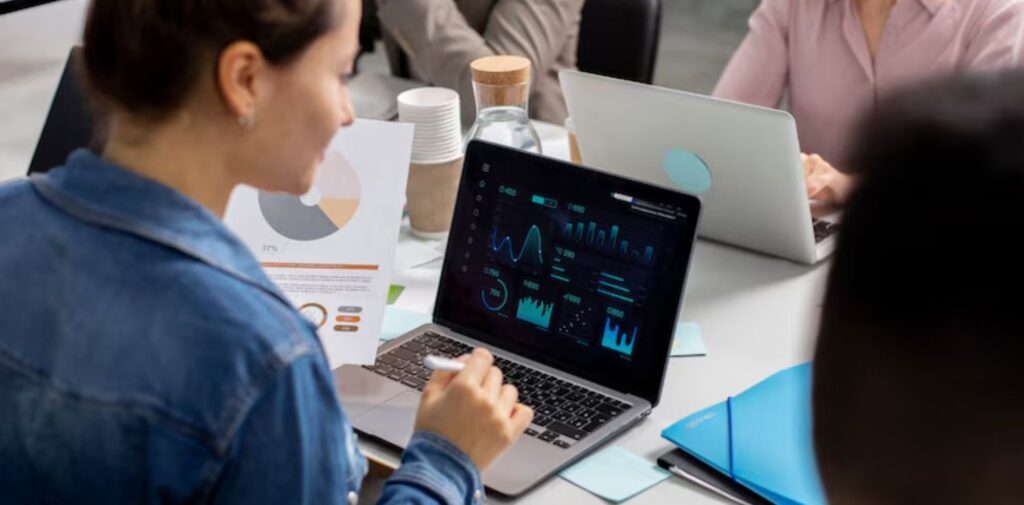
The freedom that comes with working remotely can make it more difficult to measure someone’s productivity. That’s when artificial intelligence begins to optimize productivity.
Programs such as Time Doctor, Rescue Time, and Hubstaff use to show employees their activity levels in real-time and highlight any areas where they waste time. Managers should use this information to support their team and help people use their time effectively. A few tools use statistics from overworked and irregular schedules to identify who may be on the brink of burnout, making it easier for HR teams to address the issue before it gets worse.
Manage tasks with more efficiency and use automation.
People can get a lot of their work done with automation
Examples include:
- Emails can be sorted by priority, recommended answers can be suggested, and they can be sorted into different inboxes, like Gmail’s smart inbox.
- Smart scheduling assistants like x.ai and Clockwise help arrange meetings, stay away from scheduling overlaps, and save time when users need to focus.
- At platforms such as Zapier and Make (formerly Integromat), it allows workers to set up automated workflows such as notifying someone in Slack when a task finishes in Asana.
This support in real-time allows workers to avoid wasting time on admin and concentrate on important tasks.
Improved Cybersecurity Every Second
Since many workers are now home, cybersecurity risks have increased as well. Artificial intelligence is used to spot, monitor, and prevent dangers.
Security benefits of using artificial intelligence:
- It helps identify the threat.
- This tool help to catch fake login pages, harmful attachments, and different phishing ploys before they are delivered to your inbox.
- With adaptive authentication, it helps choose security standards depending on where, how, and with what device a customer is using, not just on passwords.
Thanks to this intelligent and real-time security, workers are safe, and there’s no reduction in convenience.
Using Virtual AI Assistants in Remote Work
Businesses are using AI teams edited with ChatGPT, Google Gemini, and Microsoft Copilot.
The benefits of these organizations are included in this list.
- Emailing, scribing proposals, and preparing reports
- Conducting research
- Making a list of ideas for what you will write
- Responding to hard questions within a short time

AI and what it means for Working-from-Home
It affects not only work but also culture. For example, some stores now rely on text analysis tools to understand the feelings of their staff based on employee emails or online chats. Finding new ways to connect, these tools advise employees on interactive activities or games that strengthen remote teams.
In a short time, this will play a role in helping leaders understand their employees and adjust their leadership accordingly.
Final Thought: Accepting AI is Key to Working Remotely
AI is not only building for the future; it’s doing it now. We are now able to automate, improve communication, and protect our work outside of the traditional office.
This isn’t meant to supplant workers—instead, it helps them become more productive, reduces the hassles they face them in better decision-making. It’s important to use technology wisely, understand its features, use it responsibly, and put people ahead of everything.
Artificial intelligence is helping workers and companies to become smarter, safer, and more environmentally friendly as we switch.