
India’s healthcare system is undergoing a major transformation, and at the heart of this change is artificial intelligence (AI). In a country with a population of over 1.4 billion people, where access to quality healthcare can be limited especially in rural areas, AI offers a ray of hope. With its ability to analyze data quickly and accurately, AI is improving the way doctors detect diseases, make diagnoses, and offer treatment plans. This article explores how AI is playing a crucial role in revolutionizing healthcare diagnostics in India and making medical services more effective and accessible.
Why India Needs AI in Healthcare
India faces several challenges in healthcare. There is a shortage of doctors, especially specialists, in many parts of the country. Long waiting times, high treatment costs, and lack of access to advanced medical tools in rural areas are common problems. Moreover, lifestyle diseases like diabetes, heart disease, and cancer are on the rise. All these factors make it necessary to find innovative solutions.
This is where AI comes in. Artificial Intelligence, which refers to computer systems that can learn and make decisions, can help doctors diagnose diseases faster, more accurately, and even remotely. It acts like a helping hand to doctors, allowing them to reach more patients and provide better care.
Early and Accurate Diagnosis with AI
One of the most important roles AI plays in healthcare is in early and accurate diagnosis. Many diseases like cancer, tuberculosis, and heart problems can be treated effectively if they are detected early. AI can analyze medical images such as X-rays, MRIs, and CT scans with a high level of accuracy. It can spot patterns that the human eye might miss.
For example, startups in India like Qure.ai are using AI to read chest X-rays and detect signs of diseases like tuberculosis and pneumonia. This is especially useful in rural and remote areas where expert radiologists may not be available. AI tools can give instant reports, helping in early diagnosis and treatment.
In cancer detection, AI can study biopsy samples and mammograms and point out abnormalities much faster. This not only saves time but also improves the chances of successful treatment. AI is also being used in pathology labs to speed up the process of testing and analysis.
AI in Heart Disease and Diabetes Management
Cardiovascular diseases are one of the leading causes of death in India. AI is being used to predict heart conditions by analyzing data from ECGs, blood tests, and even wearable devices like smartwatches. These devices monitor heart rate, blood pressure, and oxygen levels in real time. AI can alert users and doctors if there are any signs of danger.
For diabetes, which affects millions of Indians, AI helps in tracking blood sugar levels and offering personalized suggestions for diet, exercise, and medication. Some apps powered by AI can even give reminders and motivational tips to patients to manage their health better. This kind of continuous monitoring can prevent complications and reduce hospital visits.
Improving Rural Healthcare with Telemedicine and AI
One of the biggest benefits of AI in India is its ability to reach people in remote and rural areas. Many villages lack specialist doctors and advanced medical equipment. AI-powered telemedicine platforms are helping bridge this gap.
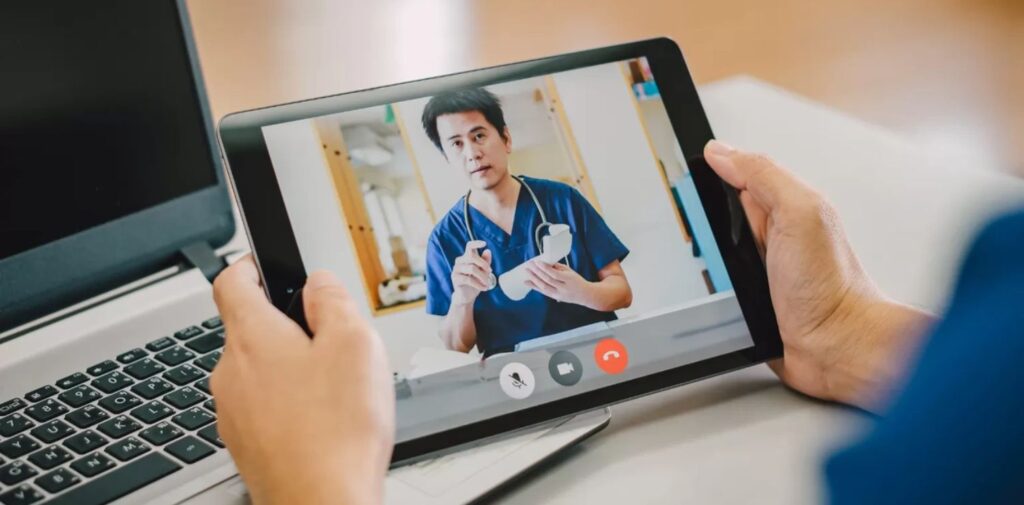
Through video consultations, patients can speak to doctors from big cities. AI tools assist doctors by providing diagnostic support, suggesting tests, and even translating medical terms into local languages. Some platforms also use AI chatbots to answer basic health questions, reducing the load on doctors.
For example, the Indian government and several private companies have launched AI-based health apps that can guide users through symptoms and suggest what to do next. This kind of technology empowers people to take control of their health, even if they live far from hospitals.
Saving Time and Reducing Costs
Time is a big factor in healthcare. Delays in diagnosis and treatment can lead to serious complications. AI helps by speeding up the entire process – from identifying symptoms to getting test results and starting treatment. It also helps reduce the cost of healthcare by automating tasks like data entry, image scanning, and report writing.
Hospitals and clinics can use AI to manage patient records, schedule appointments, and even predict when a patient might need follow-up care. This improves efficiency and allows healthcare workers to focus on patients instead of paperwork.
For patients, this means shorter waiting times, fewer hospital visits, and better outcomes. In a country like India where healthcare expenses are often paid out of pocket, these savings can make a big difference.
Real-Life Examples from India
Several Indian startups and healthcare institutions are already using AI in diagnostics. As mentioned earlier, Qure.ai is helping detect tuberculosis and brain injuries through AI-powered imaging. Niramai is another Indian company using AI to detect breast cancer using a safe and non-invasive thermal scan. These solutions are not only more affordable but also suitable for Indian conditions.
Apollo Hospitals has launched an AI-powered heart disease risk assessment tool that uses data from regular health checkups to predict future heart problems. Similarly, companies like Practo and mfine are using AI to improve doctor consultations and online diagnosis.
These examples show that AI is not just a future technology – it is already making a difference in the lives of thousands of Indians.

What the Future Looks Like
The future of healthcare in India with AI looks promising. As more data becomes available and technology improves, AI systems will become even smarter and more reliable. New uses are being explored in areas like mental health, eye care, and pregnancy monitoring.
However, for AI to succeed fully, it must be supported by strong data privacy laws, proper training for healthcare workers, and collaboration between the government, private sector, and technology experts. Affordability and local language support are also important to make sure AI benefits everyone, not just those in cities.
India has the talent and the technology to lead the world in AI-based healthcare solutions. With continued investment and awareness, AI can help build a healthier and more inclusive healthcare system for all Indians.