
Business management has changed a lot in the 21st century. The way companies operate today is completely different from what it was 20 or 30 years ago. Technology, globalization, changing customer expectations, and new styles of leadership have played a big role in this transformation.
In India too, the business environment has evolved rapidly. From traditional family-run businesses to modern startups and multinational corporations, Indian companies have adopted new ways to stay competitive and grow. This article will take you through how business management has changed in the 21st century, especially from the Indian perspective. We’ll also look at how managers can adapt to these changes and succeed in the modern business world.

Changing role of technology in management
Technology is one of the biggest reasons why business management has evolved. In earlier times, most of the work was manual. Meetings were held face-to-face, records were kept on paper, and communication was slow. But now, with the help of digital tools, everything has become faster and more efficient.
Today, managers use emails, video calls, and collaboration apps like Zoom, Google Meet, and Microsoft Teams to communicate. Data is stored in the cloud and can be accessed anytime, anywhere. Software like ERP, CRM, and project management tools help businesses work smarter.
In India, even small businesses are now using digital tools for billing, customer service, inventory, and marketing. The rise of fintech companies and digital payments like UPI and mobile banking has made business operations smoother.
This technological shift means that modern managers must learn how to use these tools effectively. It also means they need to keep upgrading their skills to stay up to date.

Rise of new leadership styles
In the past, the manager was the boss. He or she gave orders, and the team followed them without question. The workplace was more formal and hierarchical. But in the 21st century, things have changed. Today’s employees want to be heard, respected, and involved in decision-making.
New leadership styles like transformational leadership, servant leadership, and collaborative leadership have become popular. These focus on motivating employees, building trust, and working together as a team.
In Indian companies too, especially in startups and IT firms, the traditional bossy style of leadership is fading. Young professionals prefer working with leaders who inspire them, not just give orders.
Modern managers need to be good listeners, open-minded, and flexible. They should focus on team development rather than only targets. Empathy, communication, and people skills are now more important than ever.
Importance of employee experience and work culture
Earlier, companies focused only on profits and productivity. Employee satisfaction was not a top priority. But now, companies understand that happy employees perform better, stay longer, and help build a strong brand.
Creating a good work culture has become a major part of business management. Flexible work hours, remote work options, mental health support, rewards and recognition, and career growth opportunities are now common in many companies.
In India, especially after the COVID-19 pandemic, more companies have started focusing on employee well-being. Hybrid working models are becoming popular. Startups are creating work environments that feel more friendly and inspiring.
Managers today have to manage people, not just processes. They need to understand what motivates their team and build a culture of trust, openness, and growth.
Focus on sustainability and social responsibility
Earlier, the goal of most businesses was just to make money. But now, customers, investors, and even employees expect companies to think beyond profits. There is a growing focus on sustainability, social responsibility, and ethical business practices.
Modern business management includes taking care of the environment, supporting local communities, ensuring diversity and inclusion, and being transparent in operations.
In India, many companies are now taking green initiatives like using solar energy, reducing plastic use, and supporting social causes. Businesses are also expected to follow corporate social responsibility (CSR) rules set by the government.
Managers must now think not only about business growth but also about the impact their decisions have on society and the environment. This is a big shift from the earlier profit-only mindset.
Globalization and cultural diversity
With the rise of the internet and better connectivity, businesses can now reach customers across the world. This globalization has made companies more competitive but also more diverse.
Indian companies are now working with international clients, hiring global talent, and entering foreign markets. This means that managers have to understand and respect different cultures, work styles, and expectations.
Managing a culturally diverse team needs strong communication skills, cultural sensitivity, and adaptability. It also offers new opportunities for innovation and learning.
At the same time, globalization also means that Indian companies must raise their standards to match international quality and customer service levels. This has pushed business management to become more professional and performance-driven.
Use of data in decision-making
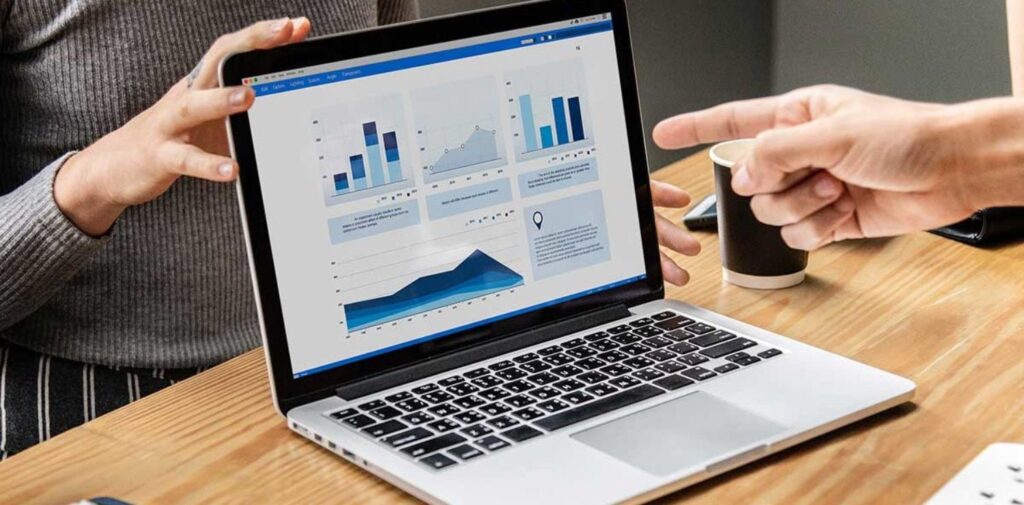
Earlier, many business decisions were based on gut feeling or experience. But now, thanks to technology, managers have access to large amounts of data. From customer behavior to sales trends, everything can be measured.
This has given rise to data-driven management. Managers now use analytics tools to make better decisions, reduce risks, and plan more effectively.
In India, the adoption of data analytics is growing fast, especially in sectors like e-commerce, finance, education, and healthcare. Even government schemes like Digital India and Startup India are encouraging businesses to use data smartly.
Managers now need to understand basic data concepts and learn how to use data for planning, forecasting, and improving performance.
Agile and flexible work models
Business management is no longer about strict rules and long-term planning only. The 21st century is all about speed, flexibility, and adaptability. Things change fast – customer needs, market trends, technologies – everything is evolving.
This has given rise to agile management. It means being able to respond quickly to changes, making small and quick improvements, and working in short cycles.
In Indian companies, especially in tech and digital sectors, agile methods are becoming common. Teams are working in sprints, holding regular reviews, and adapting as needed. Even large organizations are trying to become more flexible in their processes.
Modern managers must be open to change, ready to experiment, and quick in learning. The old “one-size-fits-all” approach does not work anymore.
Conclusion
The 21st century has completely changed the way business is managed. From digital tools to new leadership styles, from employee experience to social responsibility, business management today is much more dynamic, people-focused, and adaptable.
In India, the change is visible across all types of businesses – from traditional companies to startups. Managers now play a more complex role. They are not just supervisors, but also mentors, change agents, and problem-solvers.
To be successful in today’s world, Indian managers need to stay updated, keep learning, and focus on building strong teams and meaningful work cultures. Business management is no longer just about running a business – it is about leading it with purpose, passion, and progress.
If you are a business owner, team leader, or aspiring manager, this is the time to embrace the new way of managing and become a part of the future of business in India.