
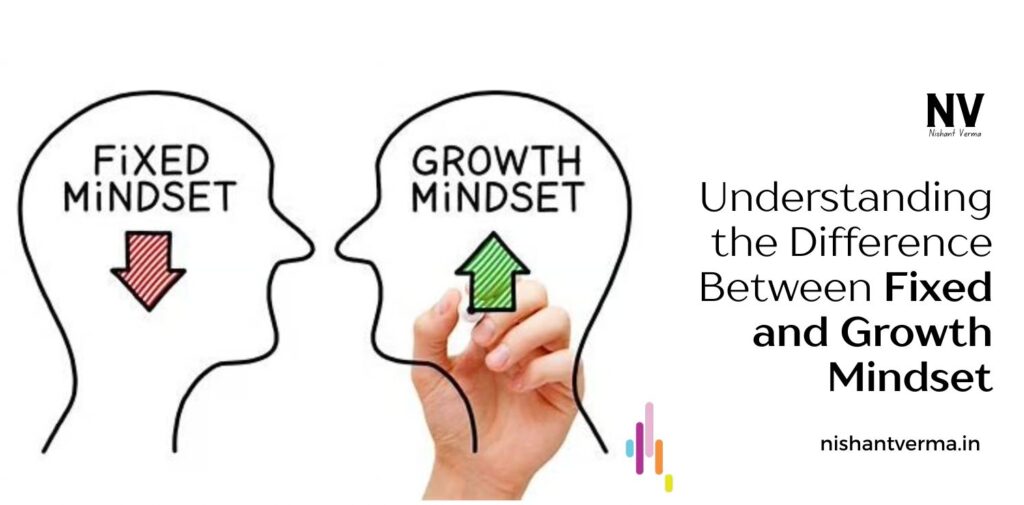
In our everyday lives, we often come across challenges and obstacles that test our abilities, whether it’s in school, work, or personal growth. The way we approach these challenges can deeply influence how successful we are in overcoming them. The concept of “mindset” plays a significant role in this process. There are two primary types of mindsets that shape how we respond to situations: Fixed and Growth Mindset. But what exactly are these mindsets, and how can they affect our lives? Let’s explore both in simple terms, with a focus on how they apply to the Indian audience.
What is a Fixed Mindset?
A fixed mindset is the belief that your abilities, intelligence, and talents are static and cannot be changed. People with a fixed mindset believe that they are born with a certain level of intelligence and skills, and no amount of effort or hard work will help them improve much beyond that. In other words, they think that success comes only from natural talent, not from effort.
In India, this mindset is often reinforced by societal pressures. From a young age, students are praised or criticized based on their academic performance, leading them to believe that intelligence is something fixed. If they fail or struggle in a particular subject, they may think that they just aren’t “good enough” to succeed.
For example, if a student fails a math exam, someone with a fixed mindset might say, “Math is just not my thing.” This kind of thinking can prevent individuals from putting in the effort to improve because they assume their abilities are limited.
What is a Growth Mindset?
On the other hand, a growth mindset is the belief that abilities and intelligence can be developed through hard work, dedication, and perseverance. People with a growth mindset believe that challenges are opportunities to learn and grow. They understand that failure is not a reflection of their abilities but an essential part of the learning process.
In India, a growth mindset is not as commonly seen in all aspects of life, but it is gradually becoming more popular as educational systems evolve. In this mindset, someone who struggles with a subject doesn’t give up but instead believes that with time and effort, they can improve and eventually master the topic.
For example, if the same student fails a math exam, someone with a growth mindset might say, “I didn’t do well this time, but I can learn from my mistakes and do better next time.” This attitude leads to resilience and a willingness to put in the effort needed to succeed.
How Fixed and Growth Mindsets Affect Learning and Success
When it comes to learning, the difference between fixed and growth mindsets is immense. Those with a fixed mindset may avoid challenges because they fear failure. This avoidance can limit their opportunities for growth and development. On the other hand, individuals with a growth mindset embrace challenges, knowing that even if they fail, they are one step closer to success.
For example, in a competitive country like India, students often face a lot of pressure to perform well in exams and entrance tests. The fixed mindset may lead to unnecessary stress and a fear of failure, causing students to avoid subjects or tasks they find difficult. However, those with a growth mindset are more likely to persist, study harder, and seek help when needed, which ultimately leads to better performance in the long run.
The Role of Effort and Persistence
The key difference between the two mindsets lies in the way effort is viewed. In a fixed mindset, effort is seen as a sign of failure or inadequacy, as it implies that a person’s natural abilities are not enough. People with a fixed mindset might think, “If I have to work hard at something, it means I’m not good at it.”
In contrast, people with a growth mindset see effort as essential to success. They understand that talent alone is not enough and that success is the result of consistent effort and hard work. This belief motivates them to keep going even when things get tough, and it allows them to persevere in the face of difficulties. For example, a student who faces repeated failures in a subject will view additional studying and practice as a way to improve, rather than as a sign that they aren’t good enough.
In India, the emphasis on hard work and dedication, especially in fields like education, sports, and business, is something that can support the development of a growth mindset. When students understand that it’s okay to struggle and fail, as long as they keep working hard, they are more likely to overcome challenges and achieve success.

How Mindsets Shape Our Success in Life
Mindsets affect not only academic performance but also how we approach life in general. People with a fixed mindset may shy away from new experiences or opportunities because they fear failure or believe they aren’t capable. This can limit their potential, making them miss out on personal growth, career opportunities, and even relationships.
On the other hand, those with a growth mindset are open to challenges and embrace new opportunities. They are more likely to take risks, learn new skills, and grow in various aspects of their lives. In India, where competition is fierce, especially in fields like engineering, medicine, and entrepreneurship, having a growth mindset can make a significant difference. It encourages individuals to keep learning and growing, helping them stay ahead in their careers and personal lives.
For instance, a person with a growth mindset may decide to learn a new language or develop a new skill, even if they initially find it difficult. This willingness to grow and improve can open doors to new job opportunities or help them adapt to changing environments, such as a new city or country.

How Can You Develop a Growth Mindset?
Adopting a growth mindset doesn’t happen overnight, but with practice and a shift in perspective, anyone can begin to develop it. Here are some ways to cultivate a growth mindset:
- Embrace Challenges – Instead of avoiding difficult tasks, face them head-on. Recognize that challenges help you grow.
- Learn from Criticism – Constructive feedback is essential for improvement. Instead of taking criticism personally, use it to enhance your skills.
- Celebrate Effort, Not Just Results – In a growth mindset, effort is celebrated. Acknowledge the hard work you put into something, not just the outcome.
- Focus on Learning, Not Just Winning – Focus on the process of learning rather than just the goal or end result. This will help you stay motivated even when things don’t go as planned.
- Cultivate Patience and Persistence – Understand that growth takes time. Stay patient and keep working towards your goals, even if progress seems slow at first.
Conclusion: The Power of Mindset in Shaping Your Future
Your mindset can have a profound effect on your success and happiness. Whether you have a fixed mindset or a growth mindset, it’s important to understand that you have the power to change how you think and approach challenges. In the Indian context, where there is often immense pressure to succeed, developing a growth mindset can help you overcome obstacles and thrive in your personal and professional life. By believing in the power of effort and perseverance, you can unlock your full potential and lead a more fulfilling life. Remember, it’s not about being perfect or getting everything right the first time – it’s about learning, growing, and continuing to push forward.