
In today’s fast-paced world, personality plays a huge role in determining your personal and professional success. It is not just about how you look, but how you think, behave, and interact with others. A well-developed personality opens the door to better opportunities, healthier relationships, and a more confident you. In this article, we’ll explore how you can create your own personality development plan in a simple and effective way, especially tailored for the Indian audience.
Whether you are a student, working professional, homemaker, or someone looking to enhance your overall presence, a proper personality development plan can help you move ahead in life. Let’s begin the journey to become your best version.
Understanding What Personality Development Really Means
Before creating a plan, it’s important to understand what personality development actually means. Many people think personality is limited to appearance, dressing sense, or speaking fluently in English. While these are small parts of it, real personality development goes much deeper.
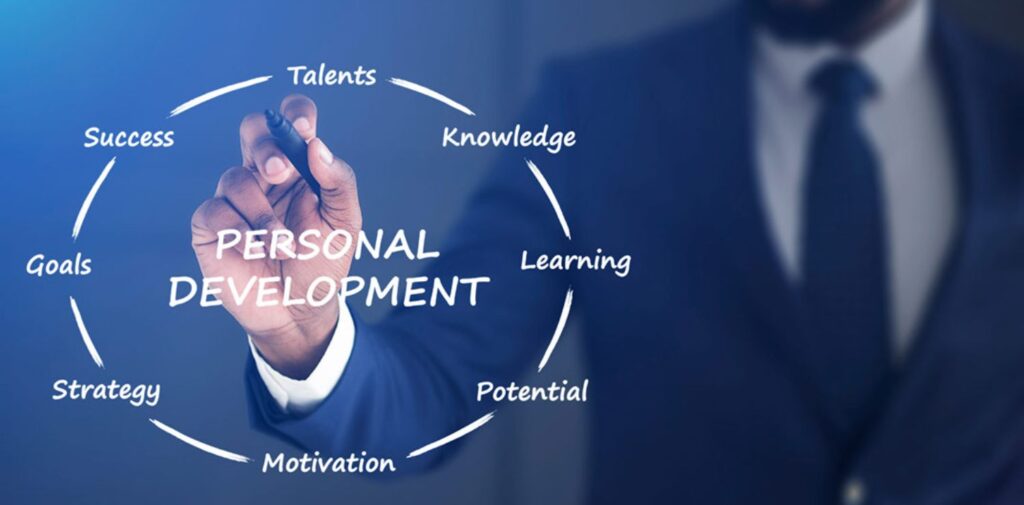
Personality development is the process of improving your thoughts, behavior, communication skills, confidence, attitude, and emotional intelligence. It involves identifying your strengths and weaknesses, setting goals for self-improvement, and consistently working on them.
In Indian society, where competition is high and expectations are even higher, having a well-rounded personality can help you stand out in education, job interviews, business, and even in personal relationships.
Step 1: Know Yourself – Self-Assessment Is the First Step
The first and most important step in personality development is self-assessment. You need to take some time to understand who you really are. Ask yourself questions like:
- What are my strengths?
- Where do I lack?
- Do I get nervous in front of people?
- Do I struggle with time management?
- Am I a good listener?
- Do I get angry easily?
Write your answers in a notebook. Be honest with yourself. This will help you get a clear picture of the areas you need to work on. For example, if you realize that you hesitate while speaking in public, then public speaking becomes one of your improvement areas.
Step 2: Set Clear and Realistic Goals
Once you know where you stand, the next step is setting goals. These goals should be specific and realistic. Avoid vague goals like “I want to become a better person.” Instead, go for actionable ones like:
- I will practice public speaking twice a week.
- I will read one self-help book every month.
- I will learn to control my anger using breathing techniques.
- I will wake up at 6 AM and start my day with yoga.
Make short-term and long-term goals. Don’t try to change everything overnight. Start with one or two areas and gradually move to others. Track your progress regularly and reward yourself when you achieve a goal.
Step 3: Build Good Habits and Daily Routine
Your habits shape your personality more than anything else. If you want to grow, you have to build good habits and follow a healthy routine.
Start your day early with a clear morning routine. Include yoga or meditation to calm your mind and improve your focus. Read newspapers or books to increase your knowledge and vocabulary. Stay active throughout the day and avoid wasting too much time on social media.
Make a habit of talking to people politely, smiling often, and listening actively. These small habits will create a big impact over time. In India, where respect and relationships are given so much importance, being kind and humble automatically improves how people see you.

Step 4: Improve Your Communication and Body Language
In both personal and professional life, the way you communicate matters a lot. You may have brilliant ideas, but if you cannot express them properly, they will not make much difference.
Work on your communication skills by practicing speaking clearly and confidently. Watch English news channels like NDTV, read newspapers like The Hindu or Times of India, and note down new words. Try to use those words in daily conversations.
Also, focus on your body language. Avoid slouching or looking down while speaking. Make eye contact and maintain a calm posture. A firm handshake, a confident tone, and a positive smile can change the whole energy of your interaction.
Step 5: Build Emotional Intelligence and Self-Confidence
Your ability to understand and manage emotions plays a huge role in shaping your personality. Emotional intelligence includes self-awareness, self-regulation, empathy, and social skills.
Start by controlling your reactions. Don’t lose your temper easily. Learn to stay calm in difficult situations. Empathize with others and try to understand their point of view. This will make you more approachable and trustworthy.
Self-confidence is equally important. Believe in yourself, even if you fail a few times. Remind yourself of your achievements, no matter how small. Speak positively about yourself. Avoid comparing with others, especially in a society where social pressure is high. Remember, everyone has their own journey.

Step 6: Keep Learning and Evolving
Personality development is not a one-time project. It is a lifelong journey. Keep learning new things and stay updated with the world. Take online courses, attend seminars, watch TED Talks, or follow motivational speakers like Sandeep Maheshwari, Dr. Vivek Bindra, or Gaur Gopal Das.
Also, surround yourself with positive and motivated people. Stay away from those who pull you down or always complain. Your environment has a big impact on your mindset.
Stay open to feedback and criticism. Use it as a tool to grow, not something to take personally. Keep a journal of your progress. Write down what you learned each day and what you can do better tomorrow.
Conclusion: You Have the Power to Transform
Personality development is all about becoming the best version of yourself. It’s not about impressing others, but about feeling good from within. In Indian culture, where values, family, and society play such an important role, a strong personality helps you earn respect, create meaningful relationships, and succeed in your goals.
Start small, stay consistent, and most importantly, believe in yourself. Your journey of personality development can begin today, with simple steps and a clear plan. With dedication and patience, you’ll not only see a positive change in yourself but also inspire those around you.