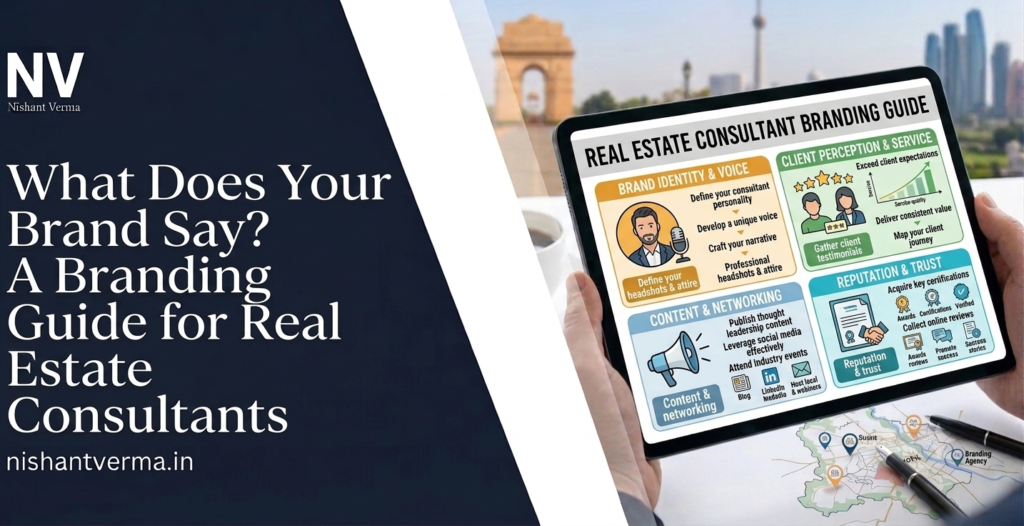
Before a client ever calls you, your brand has already spoken for you. Your website, your social media, your business card, even the way you follow up all of it tells a story. The question is: what is that story saying? For most real estate consultants, real estate branding isn’t something they’ve consciously built. It has happened by accident, shaped by whatever felt convenient at the time, whichever template looked easiest, or whatever a competitor happened to be doing. This guide breaks down what your brand may currently be communicating, and how to reshape it into something intentional.
Why Every Consultant Already Has a Brand Whether They Planned It or Not
You don’t get to choose whether you have a brand. You only get to choose whether you shape it deliberately. If your online presence is inconsistent, your messaging generic, and your follow-up slow, clients notice and they draw conclusions about your professionalism. Strong real estate branding isn’t about vanity; it’s about controlling the story clients tell themselves before they ever meet you.
What Weak Branding Usually Says (Without Meaning To)
Many consultants unintentionally send the wrong signals through their brand:
- Inconsistent messaging across platforms suggests disorganization.
- Generic descriptions like “trusted real estate expert” say nothing specific.
- Outdated visuals signal that the business hasn’t kept up with the market.
- Slow or unclear communication implies clients won’t be a priority after signing.
None of these are said out loud, but they’re exactly what a client absorbs when your brand lacks direction.
What a Strong Brand Should Say Instead
Good real estate branding answers three questions clearly, before a client even asks them:
- Who do you help? First-time buyers, investors, NRI clients, or luxury home seekers clarity here builds instant relevance.
- What makes you different? Local expertise, faster closings, or a specific market niche gives clients a reason to choose you.
- Can you be trusted? Testimonials, case studies, and a professional presence answer this before it’s even asked.
When these three questions are answered consistently across your website, social media, and conversations, your brand starts working for you even when you’re not in the room.
Building a Branding Guide for Yourself as a Consultant
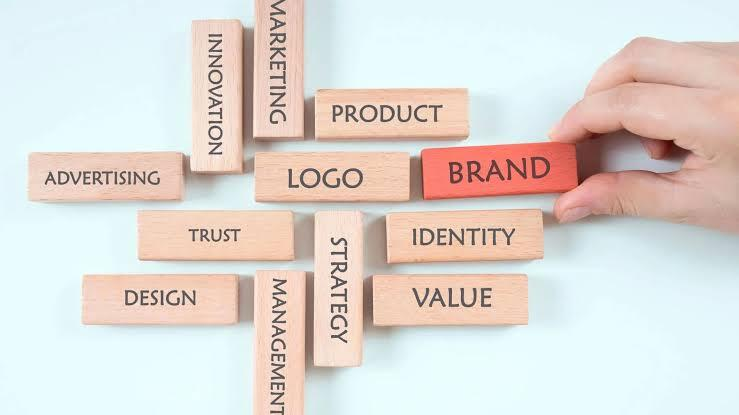
A personal branding guide keeps your messaging consistent, especially as you scale. Here’s a simple framework:
- Define your niche. Choose the client type and property segment you want to be known for.
- Write a one-line positioning statement. Example: “I help NRI investors buy verified residential property in Gurgaon without the guesswork.”
- Create visual consistency. Use the same colors, fonts, and photography style across your website and social channels.
- Document your voice. Decide whether you sound formal, friendly, or data-driven and stay consistent.
- Audit quarterly. Revisit your positioning and visuals every few months to make sure they still reflect where your business is headed and who you’re now trying to attract.
Real Estate Branding Is a Long-Term Trust Asset
Unlike a single listing or a one-time deal, branding compounds. Every consistent interaction adds to how clients perceive you, and over time this reduces your dependence on cold outreach or discounting to win business. Consultants who invest early in real estate branding typically see more referrals, shorter sales cycles, and stronger client retention because trust, once built, keeps working in the background.
Final Thoughts
Your brand is speaking whether you’re actively managing it or not. The real question is whether it’s saying what you want it to say. A clear, consistent approach to real estate branding turns scattered impressions into a story that builds trust before the first conversation even begins. Start small pick one niche, one clear message, and one consistent look and let the rest of your marketing build outward from there.
Frequently Asked Questions
1. What is real estate branding for individual consultants?
It’s the consistent positioning, messaging, and visual identity that shapes how clients perceive an individual consultant, separate from the brokerage or agency they work under.
2. How is personal branding different from company branding in real estate?
Personal branding focuses on the consultant’s individual expertise, niche, and voice, while company branding reflects the broader business. Consultants often need both to work together.
3. What’s the fastest way to improve a weak real estate brand?
Start by defining a clear niche and positioning statement, then ensure your website, social media, and communication style are consistent with that positioning.
4. Do real estate consultants really need a formal branding guide?
Yes — even a simple one-page guide covering your niche, positioning statement, and visual style keeps your marketing consistent as your business grows or as you delegate tasks to a team.
5. How often should a consultant review their branding?
A quarterly review is a good practice, especially as your client base, niche, or market focus evolves over time.