
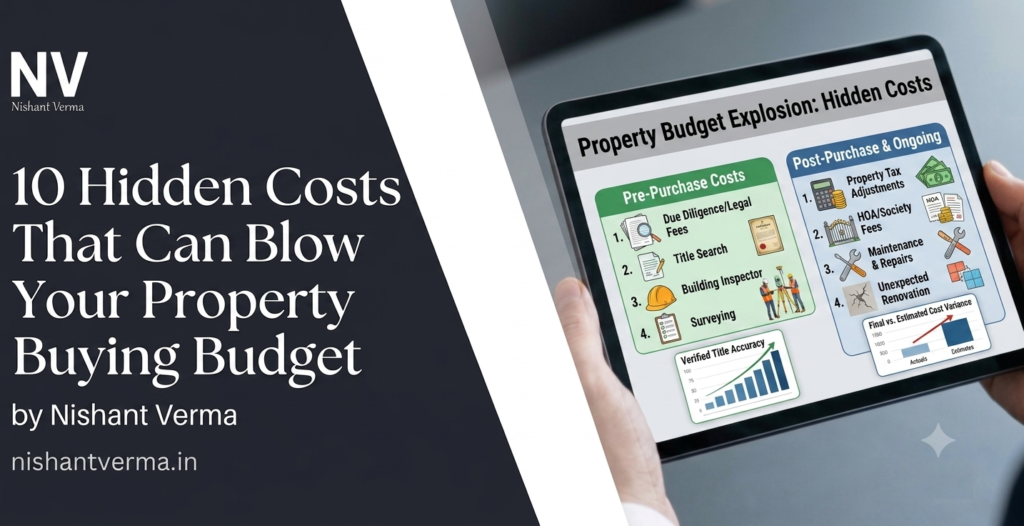
Buying a home is one of the biggest financial property decisions most people make in their lifetime. You save for years, compare listings, negotiate the price, and finally sign on the dotted line — feeling like the hardest part is over. But here’s the catch: the sticker price of a property is rarely the final price. Beneath that headline number lurk a dozen hidden costs that can quietly eat into your savings and blow your carefully planned budget.
If you’re not prepared for these expenses, you could find yourself financially stretched right after moving in — or worse, unable to close the deal at all. Let’s break down the 10 hidden costs that every property buyer needs to know about before signing that agreement.
1. Stamp Duty and Registration Charges
Most first-time buyers budget for the property price but forget that stamp duty and registration fees can add anywhere from 5% to 10% of the property value, depending on your location. These government charges are mandatory and non-negotiable. Some buyers are shocked to learn that on a property worth $200,000, they might owe an additional $10,000–$20,000 just in duties and registration — money that needs to be paid upfront, in cash, before you even get the keys.
2. Legal and Documentation Fees

Every property transaction requires legal verification — title checks, sale deed drafting, encumbrance certificates, and more. Hiring a property lawyer or conveyancer isn’t optional if you want to avoid future disputes, and their fees can range from a few hundred to a few thousand dollars depending on the complexity of the deal. Skipping this step to save money is a false economy that can cost you far more later if there’s a title dispute.
3. Home Loan Processing Fees
If you’re financing your purchase, banks and lenders charge processing fees, administration fees, and sometimes even prepayment penalties if you close the loan early. These fees typically range from 0.5% to 2% of the loan amount. On top of that, there may be charges for loan insurance or mandatory mortgage protection plans that lenders quietly bundle into the paperwork.
4. Property Valuation and Inspection Costs
Before approving a loan, lenders usually require an independent property valuation, and savvy buyers should also get a professional home inspection done. These inspections can reveal structural issues, plumbing problems, or electrical faults that aren’t visible during a casual walkthrough. While inspection fees might seem like an unnecessary expense, skipping this step could mean inheriting expensive repair bills down the line.
5. GST, VAT, or Other Applicable Taxes
Depending on your country, buying a new or under-construction property may attract goods and services tax or value-added tax. This is separate from stamp duty and can significantly increase your total outlay. Many buyers only realize this tax exists when they see the final payment breakdown from the builder — often too late to renegotiate.
6. Society, Maintenance, and Amenity Deposits
If you’re buying into a housing society, gated community, or apartment complex, be prepared for one-time membership fees, corpus fund contributions, and advance maintenance deposits. Builders often ask for 1–2 years of maintenance charges upfront, along with deposits for amenities like clubhouses, gyms, or parking spaces. These costs are rarely mentioned during the initial sales pitch.
7. Moving and Relocation Expenses
Packing, hiring movers, transporting furniture, and setting up utilities in your new home all cost money — and these expenses add up faster than people expect. If you’re moving to a different city, you might also need temporary accommodation, storage rental, or even flights, all of which chip away at your remaining budget.
8. Renovation and Furnishing Costs
Unless you’re buying a fully furnished, move-in-ready home, chances are you’ll need to spend on painting, fittings, modular kitchens, wardrobes, or basic repairs before you can comfortably live there. Even minor cosmetic updates can cost thousands of dollars, and it’s easy to underestimate this number until you start getting contractor quotes.
9. Property Insurance
Homeowners insurance is often a mandatory requirement if you have a mortgage, and even if it isn’t required, it’s a smart financial safeguard. Premiums vary based on location, property value, and risk factors like flooding or earthquakes. Many buyers forget to factor in this recurring annual cost when calculating their overall affordability.
10. Ongoing Property Taxes and Utility Setup Charges
Finally, once you own the property, annual property taxes become a permanent line item in your budget. On top of that, setting up new utility connections — electricity, water, gas, internet — often involves installation fees, security deposits, and administrative charges that catch new homeowners off guard in the first few months.
Final Thoughts
The purchase price of a property is just the tip of the iceberg. When you add up stamp duty, legal fees, loan charges, taxes, deposits, moving costs, renovations, insurance, and ongoing expenses, the real cost of buying a home can be 10–20% higher than what you initially planned for.
The smartest way to protect your finances is to create a detailed, itemized budget before you even start house hunting. Ask your real estate agent, lawyer, and lender for a complete breakdown of all applicable fees upfront, and always keep a contingency fund of at least 10% of the property value set aside for these hidden costs.
Buying a home should be an exciting milestone, not a financial trap. Go in prepared, ask the right questions, and you’ll avoid the nasty surprises that catch so many buyers off guard.