

Managing money wisely is something everyone wants to do, but often it feels complicated or overwhelming. In India, where expenses vary widely from one city to another and financial goals can be very different for each family, finding a simple way to budget can make a big difference. One popular and easy-to-follow method is the 50/30/20 rule. This method divides your income into three parts, making it straightforward to manage your money and save for the future. In this article, we will explore what the 50/30/20 rule is, how it works, and how you can apply it in your life in India.
What is the 50/30/20 Rule?
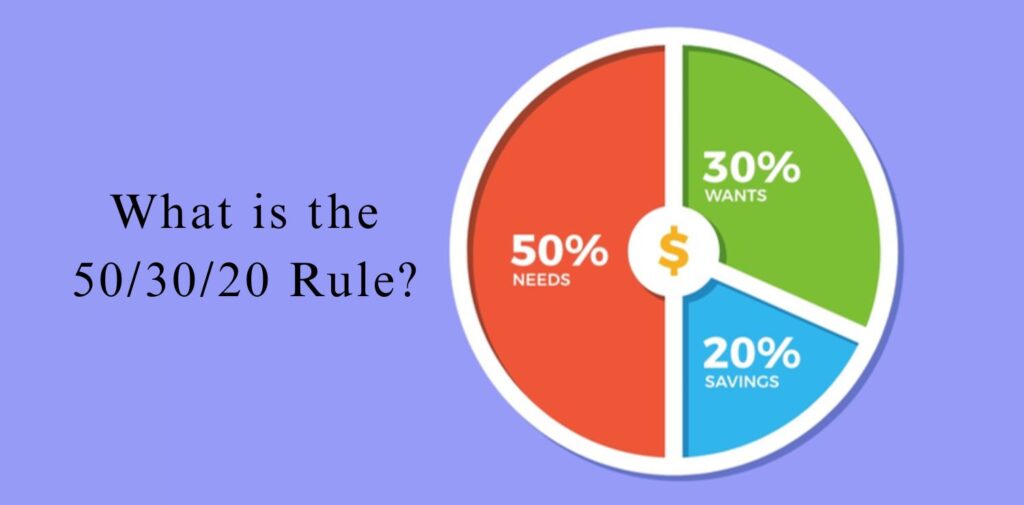
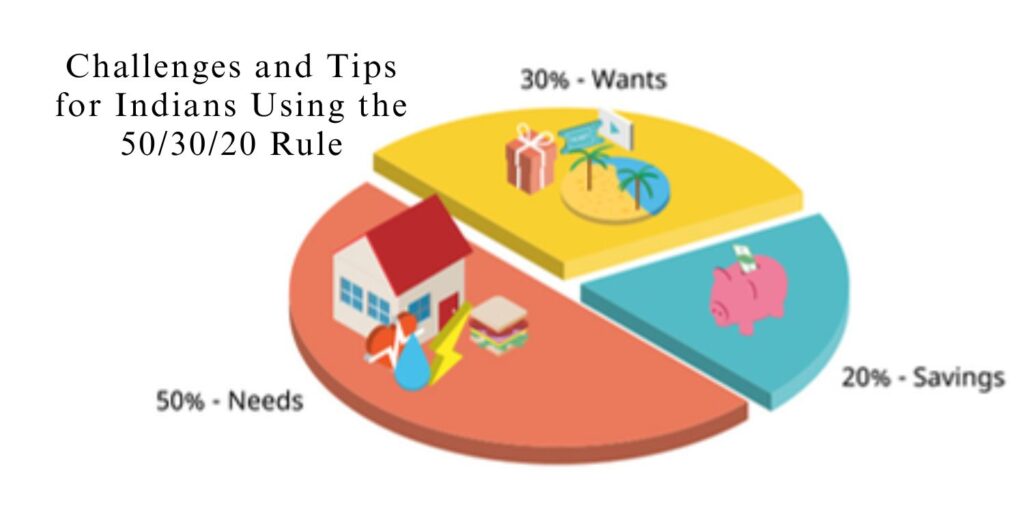
The 50/30/20 rule is a budgeting guideline that suggests dividing your monthly income into three categories: 50% for needs, 30% for wants, and 20% for savings or debt repayment. It was popularized by Senator Elizabeth Warren in her book All Your Worth and has since become a simple way for many people around the world to manage their money effectively.
The idea is to keep your spending balanced so you can meet your daily needs, enjoy some lifestyle choices, and still save for emergencies, future goals, or pay off any debts. Unlike complicated budgets that require tracking every rupee, this rule offers flexibility while keeping you financially healthy.
Breaking Down the 50%: Needs
Needs are the essentials – things you must spend on to live and work. This includes rent or home loan EMIs, utility bills (electricity, water, internet), groceries, transportation, insurance, healthcare, school fees, and minimum loan repayments. In India, these expenses can vary a lot depending on where you live. For example, rent in Mumbai or Delhi can take a big chunk of your income, while in smaller towns or rural areas, it may be much lower.
The key is to keep these expenses within 50% of your income. If your needs are costing more than half your salary, it may be time to reconsider your housing or daily expenses, or find ways to reduce bills. Prioritize what you really need versus what you can live without. For example, switching to a more affordable mobile plan, cooking at home instead of eating out, or using public transport can help cut costs.
Allocating 30% for Wants
Wants are things that improve your lifestyle but are not necessary for survival. This includes dining out, movies, vacations, shopping, hobbies, subscriptions like Netflix, or upgrading your smartphone. In Indian culture, social occasions, festivals, and family celebrations often mean spending on gifts, clothes, or parties, which also fall into this category.
Using 30% of your income for wants gives you enough freedom to enjoy life without overspending. However, it is important to keep these expenses controlled so they don’t eat into your savings or needs budget. If you notice you are spending too much on wants and have less for important goals, try limiting outings or choosing more affordable entertainment options.

Saving 20%: Building a Secure Future
Saving at least 20% of your income is the most crucial part of the 50/30/20 rule. This money can go towards different goals like building an emergency fund, investing for retirement, children’s education, buying a home, or clearing debts faster. For many Indians, saving is deeply valued but sometimes difficult due to rising costs and temptations to spend.
If you do not have any savings yet, start by putting aside even a small amount regularly. Use automatic transfers to your savings or investment accounts to make it easier. Popular saving options in India include fixed deposits, Public Provident Fund (PPF), National Pension Scheme (NPS), mutual funds, and the Employee Provident Fund (EPF) for salaried individuals.
Besides saving, if you have debts such as credit card bills or personal loans, use this 20% to repay them aggressively. Being debt-free will reduce stress and free up more money for future savings and investments.
How to Calculate Your Budget Using the 50/30/20 Rule
To apply the 50/30/20 rule, first figure out your monthly take-home income after taxes and deductions. Let’s say you earn ₹50,000 per month.
- Needs (50%): ₹25,000
- Wants (30%): ₹15,000
- Savings/Debt repayment (20%): ₹10,000
Track your current expenses for a month or two and see how they fit into these categories. This will give you a realistic idea of where your money is going and what changes you might need to make.
If your needs are more than 50%, try to reduce costs or adjust your wants category. If you have extra money left in your wants budget, consider moving some of it into savings to build a stronger financial foundation.
Benefits of Following the 50/30/20 Rule
One of the biggest advantages of the 50/30/20 rule is its simplicity. It doesn’t require detailed spreadsheets or complex financial tools, which makes it perfect for people who are new to budgeting or want a clear guideline to manage their money.
This method also encourages a balanced approach to spending and saving. You don’t have to give up enjoying life, but you also make sure you are preparing for emergencies and long-term goals. This balance is important in India, where unexpected medical expenses, education costs, or job changes can put pressure on your finances.
By consistently saving 20%, you also create habits that can grow your wealth over time through investments. It promotes financial discipline and reduces anxiety about money management.
Challenges and Tips for Indians Using the 50/30/20 Rule
While the 50/30/20 rule is simple, applying it exactly can be difficult in India due to several reasons:
- High Rent and Living Costs: In metropolitan cities, rent can easily be 30-40% of your income, leaving less for other needs or savings. Consider sharing accommodation, moving to less expensive areas, or negotiating rent.
- Irregular Income: Many Indians work in informal sectors or businesses with fluctuating incomes. In such cases, calculate your average income over a few months and base your budget on that.
- Family Responsibilities: Supporting extended family members or paying for children’s education can increase your needs category. Prioritize and communicate openly about money with family members.
- Cultural and Festival Spending: Festivals often mean extra expenses on gifts, food, and celebrations. Plan for these in advance by saving monthly so that these costs don’t disrupt your budget.
To make the 50/30/20 rule work for you, stay flexible. Adjust percentages slightly if needed, but keep the core idea of balancing essentials, desires, and savings intact.
Getting Started Today
Starting a budget can feel intimidating, but the 50/30/20 rule is an easy place to begin. Follow these steps to get started:
- Calculate your monthly income after tax.
- Track your spending for one month.
- Categorize your expenses into needs, wants, and savings.
- Compare your spending with the 50/30/20 guideline.
- Make small adjustments to align with the rule.
- Automate your savings if possible.
- Review and adjust your budget every few months.
Remember, the goal is progress, not perfection. Even if you cannot stick exactly to 50/30/20 every month, trying to follow this framework will improve your financial awareness and help you achieve your goals.
The 50/30/20 rule offers a simple, practical, and flexible way for Indians to take control of their finances. By dividing your income into clear portions for needs, wants, and savings, you can enjoy a comfortable lifestyle while preparing for a secure and prosperous future. Whether you are a student, working professional, or managing a family, this method can guide you towards better money management and financial peace of mind. So why wait? Start budgeting the 50/30/20 way today and take the first step towards financial freedom!