

Starting and running a business in India can be an exciting yet challenging journey. One of the most important financial concepts every business owner should understand is the break-even point. Knowing your break-even point helps you figure out when your business starts making a profit, which is essential for making smart decisions, managing costs, and planning for growth.
In this article, we will explain what the break-even point is, why it matters for your business, how to calculate it, and how it can guide your business strategy.

What is the Break-Even Point?
The break-even point is the stage where your business’s total revenue equals its total expenses. At this point, your business is not making a loss, but it is also not making a profit. Simply put, it’s where your business “breaks even.”
For example, if you run a small shop selling handmade crafts, your break-even point is the number of products you need to sell so that the money you earn covers all your costs, such as rent, materials, wages, and other expenses.
Understanding the break-even point is crucial because it tells you the minimum sales needed to avoid losses. This knowledge helps you set realistic sales targets and pricing strategies.
Why is the Break-Even Point Important for Indian Businesses?
In India’s diverse and competitive market, managing costs and profits effectively is essential for survival and growth. Here’s why the break-even point is particularly valuable:
- Helps New Businesses Plan Finances: Many startups in India struggle with cash flow. Knowing the break-even point helps entrepreneurs estimate how much they need to sell to cover costs before making any profit.
- Guides Pricing Strategy: Indian markets are highly price-sensitive. If prices are too high, customers may turn away; if prices are too low, profits vanish. The break-even analysis helps set prices that cover costs while remaining attractive to customers.
- Supports Decision Making: Whether expanding a product line, investing in new equipment, or entering a new market, understanding its point helps business owners evaluate the financial risks and benefits.
- Assists in Cost Control: By analyzing fixed and variable costs, businesses learn which expenses impact profitability the most and where to cut costs or improve efficiency.
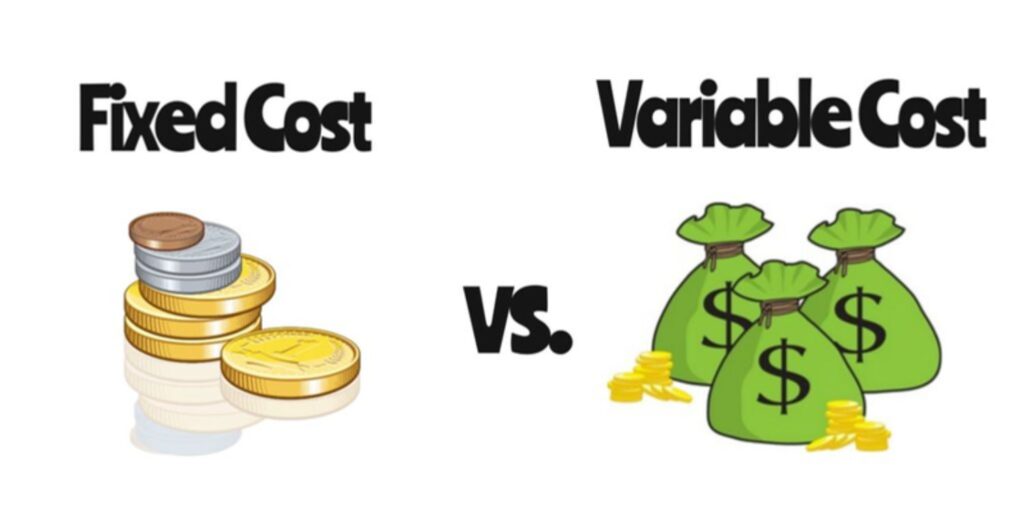
Understanding Fixed Costs and Variable Costs
Before calculating the break-even point, it’s essential to understand two types of costs:
- Fixed Costs: These costs do not change with the level of production or sales. Examples include rent for your shop, salaries of permanent staff, electricity bills, and equipment maintenance. Whether you sell 10 units or 1000 units, fixed costs remain the same.
- Variable Costs: These costs increase or decrease depending on how many products or services you sell. For example, if you sell more items, you need more raw materials or pay more commission to sales agents. Variable costs can include the cost of raw materials, packaging, and direct labor involved in production.
Knowing these costs helps you separate expenses that always need to be paid from those that vary with your business activity.
How to Calculate the Break-Even Point
Calculating the break-even point involves a simple formula:
Break-Even Point (in units) = Fixed Costs ÷ (Selling Price per Unit – Variable Cost per Unit)
Let’s break this down:
- Fixed Costs are the total fixed expenses your business incurs.
- Selling Price per Unit is how much you charge your customer for one unit of your product or service.
- Variable Cost per Unit is how much it costs you to make or provide one unit of your product or service.
Example: Suppose you own a small bakery. Your fixed costs (rent, electricity, salaries) are ₹30,000 per month. You sell one cake for ₹500, and the variable cost to make one cake (ingredients, packaging) is ₹300.
The break-even point calculation will be:
Break-Even Point = 30,000 ÷ (500 – 300)
Break-Even Point = 30,000 ÷ 200 = 150 cakes
This means you need to sell at least 150 cakes in a month to cover your costs. Any cake sold beyond 150 contributes to your profit.
Using Break-Even Analysis to Grow Your Business
Once you know your break-even point, you can use this information in several ways to improve your business:
- Set Realistic Sales Goals: Knowing how many units you must sell to avoid losses helps you create achievable targets. It also gives you a clearer picture of your business potential.
- Evaluate Pricing Changes: If you want to increase prices, you can calculate how it affects your break-even point. Higher prices can lower the break-even number but may reduce sales. The right balance is key.
- Manage Costs: If fixed costs are very high, consider ways to reduce them, like negotiating lower rent or sharing office space. If variable costs are too high, find cheaper suppliers or optimize your production process.
- Plan for Expansion: If you plan to add new products or open a new branch, break-even analysis helps you forecast how much more you need to sell to cover additional costs.
- Monitor Business Health: Regularly calculating your break-even point keeps you aware of your financial position, helping you avoid losses and stay profitable.

Common Challenges and Tips for Indian Entrepreneurs
Many Indian business owners face challenges when dealing with break-even analysis, such as lack of accurate cost data, fluctuating prices of raw materials, or unpredictable customer demand. Here are some tips:
- Keep detailed records of all expenses and sales regularly.
- Update your break-even calculations when there are changes in costs or prices.
- Factor in seasonal fluctuations in demand, especially in sectors like agriculture, textiles, or tourism.
- Use break-even analysis along with other financial tools like cash flow statements and profit-and-loss accounts to get a full picture of your business.
Conclusion
Understanding your break-even point is essential for any Indian business, whether a small shop in a local market or a growing startup in a big city. It tells you exactly how much you need to sell to cover your costs and start making profits. This knowledge empowers you to make better pricing decisions, control costs, plan for growth, and avoid losses.
By regularly calculating and monitoring your points, you can build a stronger, more sustainable business that thrives in India’s competitive environment. Take control of your finances today and let your business know exactly when it will start profiting!