

It plays a crucial role in providing financial protection against unexpected events. Whether it’s a medical emergency, a car accident, or damage to property, its helps reduce the financial burden during difficult times. However, many people in India still don’t fully understand how to works or the different types available. This article aims to explain the basics of insurance in simple language so that everyone, regardless of background, can make informed decisions for a more secure future.
What is Insurance and Why is it Important?
It is a legal contract between an individual & organizations and an insurance company. In this contract, the insurer agrees to provide financial compensation for a specific loss or damage in exchange for regular payments known as premiums. The main idea behind in is risk-sharing. Instead of bearing the full cost of an accident or loss, you pay a small amount regularly, and in return, the company promises to help you when something goes wrong.
It is important for several reasons. First, it provides financial security during emergencies. Second, it helps you plan your finances better, as you don’t need to save a huge amount for unforeseen situations. Third, it promotes peace of mind. Knowing that you have coverage makes it easier to face life’s uncertainties without panic. Lastly, some types of insurance are mandatory by law, such as motor vehicle.
Different Types of Insurance in India
There are several types of insurance available in India. Each type serves a different purpose and is designed to cover specific risks. Let’s look at the most common categories.
Life Insurance: In this life provides financial support to your family in case of your untimely death. It ensures that your loved ones are not left struggling financially. Popular life plans include term policies whole life and endowment plans. This is the most affordable and provides a large sum assured at a low premium.
Health Insurance: With rising medical costs, health has become a necessity. It covers hospitalization expenses, surgeries, doctor consultations, and even pre- and post-hospitalization care, depending on the policy. You can choose from individual health plans, family floater plans, critical illness plans, or even senior citizen plans.
Motor Insurance: In India, third-party motor is mandatory for all vehicles under the Motor Vehicles Act. It covers damages caused to another person’s vehicle or property. Comprehensive motor on the other hand, also covers damage to your own vehicle due to accidents, theft, fire, or natural calamities.
Home Insurance: Your home is one of your biggest investments. It protects your house and its contents against risks like fire, theft, floods, or earthquakes. Though not very popular in India yet, home is gaining importance with increasing awareness.
Travel Insurance: This covers risks while you are traveling. It includes trip cancellation, lost baggage, medical emergencies, and other travel-related issues. It is especially useful for international travel where medical costs can be very high.
Key Terms You Should Know
Understanding some basic terms will help you read insurance documents more confidently.
Premium: This is the amount you pay to th company at regular intervals (monthly, quarterly, or annually) to keep your policy active.
Sum Assured: This is the amount that the insurer agrees to pay in case of a claim. In life insurance, it’s the amount your family will receive in case of your death.
Policy Term: This refers to the duration for which the policy is valid. It could range from a few years to your entire lifetime.
Claim: A claim is a request made to the company for compensation based on the policy terms after an incident like illness, accident, or death.
Deductible: In health and motor, a deductible is the amount you have to pay from your own pocket before the coverage kicks in.
Exclusions: These are conditions or events not covered by the policy. Always read the exclusions carefully to avoid surprises during claim settlement.
How to Choose the Right Insurance Policy
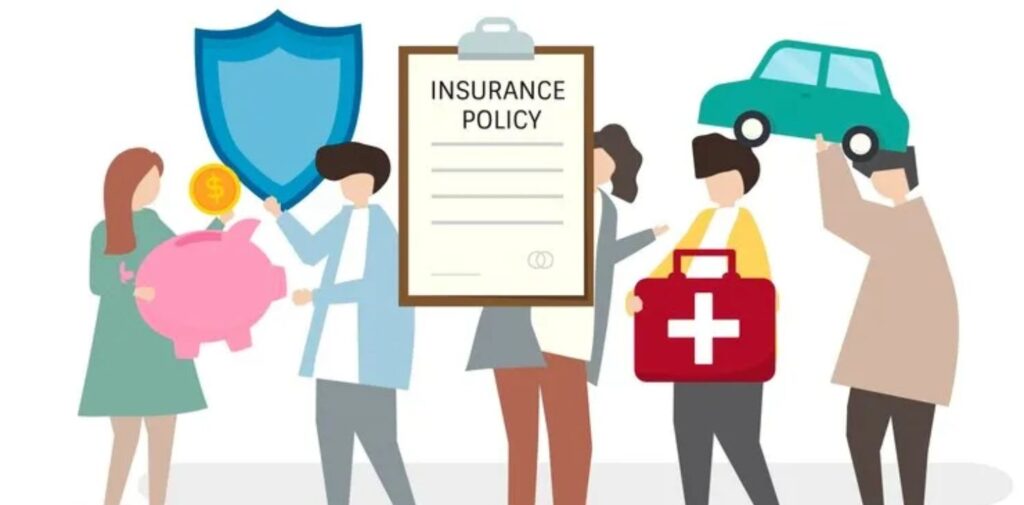
Choosing the right insurance policy depends on your needs, age, financial situation, and life goals. Here are some tips to help you make the right choice.
Assess your needs: Start by understanding what risks you want to cover. If you have a family, a life insurance policy is essential. If you are frequently falling ill or have a family history of diseases, health becomes a priority.
Compare different policies: Do not buy the first policy you come across. Use online platforms to compare premiums, features, claim settlement ratios, and customer reviews.
Check the claim settlement ratio: This is the percentage of claims settled by an insurer compared to the total claims received. A higher ratio means the company is more reliable in settling claims.
Read the fine print: Go through the policy document carefully. Understand the inclusions, exclusions, waiting periods, and terms of renewal.
Use riders for extra coverage: Many policies offer riders or add-ons like accidental death benefit, critical illness cover, or waiver of premium. These can enhance your coverage at a small extra cost.
Common Mistakes to Avoid
Many people either avoid buying insurance or make mistakes while buying it. Avoiding these common errors can save you a lot of trouble later.
Procrastination: Don’t delay buying. The earlier you buy, the lower the premium. Delaying can also mean losing out on coverage when you need it most.
Underinsurance: Many people go for the cheapest policy with minimal coverage. This can backfire when actual expenses exceed your sum assured. Always opt for sufficient coverage.
Not disclosing information: Always be honest about your medical history, lifestyle habits, and personal details while buying insurance. Hiding information can lead to claim rejection.
Not reviewing your policy: Your needs change with time. Marriage, children, a new job – all these require policy updates. Review your policy every few years to stay adequately covered.
Skipping renewal: Letting your policy lapse due to non-payment can be a costly mistake. Always renew your policy on time to avoid losing benefits or needing to undergo fresh medical tests.

Conclusion: Insurance as a Tool for Financial Protection
It is not just another expense – it’s a vital part of your financial planning. In India, where medical costs are rising and road accidents are frequent, having the right insurance can make all the difference between financial stability and a crisis. By understanding the basics, comparing plans, and avoiding common mistakes, you can use its to build a secure future for yourself and your family. Think of it as a safety net that allows you to live your life with more confidence and peace of mind.