
Inventory accounting is an essential part of managing any business that deals with goods, whether it’s manufacturing, retail, or wholesale. For Indian businesses, understanding inventory accounting helps in keeping track of stock, managing costs, and improving profitability. This article explains inventory accounting in a clear and simple way, covering its basics, methods, and importance for businesses in India.
What is Inventory Accounting?
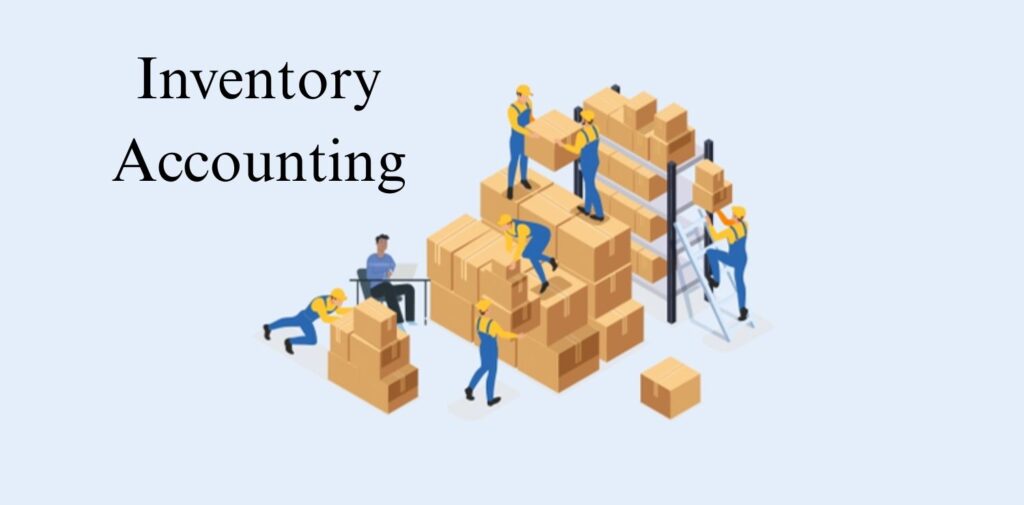
Inventory accounting is the process of recording, tracking, and valuing a company’s inventory. Inventory refers to the goods a business holds for sale or production. These could be raw materials, work-in-progress items, or finished products ready for sale. Accurate stock records helps businesses know how much stock they have, how much it costs, and how to value it properly in their financial statements.
In India, where many businesses deal with physical goods, inventory accounting is crucial. Without proper accounting, a company may face problems like stock shortages, overstocking, or incorrect financial reports.
Why is Inventory Accounting Important?
Inventory is often one of the biggest assets on a company’s balance sheet. It represents money tied up in goods waiting to be sold. If inventory is not properly accounted for, it can cause serious financial issues.
Good inventory accounting allows businesses to:
- Determine the correct cost of goods sold (COGS) and profit margins.
- Avoid stockouts or excess inventory.
- Manage working capital effectively.
- Prepare accurate financial statements required for taxation and audits.
- Make informed decisions about purchasing and production.
For Indian businesses, which often operate in competitive markets and under tight cash flows, managing inventory well can make a significant difference in success.
How is Inventory Valued?
One of the main tasks in inventory accounting is valuing the stock. The value of inventory affects both the balance sheet and the profit and loss statement. The Indian Accounting Standards (Ind AS) and guidelines from the Institute of Chartered Accountants of India (ICAI) provide rules for inventory valuation.
The basic idea is that inventory should be valued at the lower of cost or net realizable value. The cost includes all expenses necessary to bring the inventory to its current location and condition, such as purchase price, freight, and handling charges.
Net realizable value means the estimated selling price minus any costs to complete and sell the goods. If the market value of inventory falls below the cost, the inventory must be written down to reflect the lower value.
Common Methods of Inventory Accounting
There are several methods to account for inventory costs, and Indian businesses can choose the one that best suits their operations. The main methods are:
- First In, First Out (FIFO)
- FIFO assumes that the oldest inventory items are sold first. This means the cost of goods sold is based on the cost of the earliest purchased stock, and the remaining inventory reflects the cost of the most recent purchases. FIFO is simple and widely used because it usually matches the physical flow of goods.
- Last In, First Out (LIFO)
- LIFO assumes the newest inventory items are sold first. The cost of goods sold is based on the most recent purchases, while the inventory reflects older costs. Although LIFO can help reduce taxes during inflation by matching current higher costs with revenues, it is not allowed under Indian Accounting Standards.
- Weighted Average Cost
- This method calculates the average cost of all inventory items available during the period. The average cost is used for both cost of goods sold and ending inventory valuation. It smooths out price fluctuations and is commonly used by businesses with large volumes of similar items.
- Specific Identification
- Used when each inventory item is unique and can be specifically identified, like cars or jewellery. The exact cost of each item sold or remaining is recorded.
In India, FIFO and Weighted Average are the most common methods, while LIFO is generally not accepted under the current accounting standards.
Recording Inventory Transactions
Inventory accounting is not just about valuation; it also involves recording the movement of stock. Every purchase, sale, return, or adjustment needs to be tracked accurately. This helps in maintaining up-to-date stock records and prevents discrepancies.
Businesses use various tools for this purpose, from manual books to computerized accounting software. Indian companies, especially those registered under GST (Goods and Services Tax), benefit from using digital inventory management systems as they integrate with billing and taxation processes.
Impact of GST on Inventory Accounting
Since the implementation of GST in India, business record-keeping has become more structured. Businesses must maintain detailed records of stock to comply with GST regulations.
GST affects inventory accounting in the following ways:
- Input tax credit can be claimed only if proper purchase invoices and stock records are maintained.
- Valuation of closing stock includes GST paid on purchases.
- Proper inventory accounting helps avoid issues during GST audits and returns filing.
Maintaining accurate inventory accounts ensures compliance with GST laws and helps businesses optimize their tax benefits.
Challenges in Inventory Accounting for Indian Businesses
Despite its importance, inventory accounting can be challenging for many Indian businesses, especially small and medium enterprises (SMEs). Some common issues include:
- Lack of proper record-keeping or outdated manual systems.
- Difficulty in tracking inventory across multiple locations.
- Managing stock in sectors with seasonal demand.
- Valuing inventory during price fluctuations or market changes.
- Ensuring compliance with changing tax laws like GST.
However, with the availability of affordable inventory management software and accounting tools, many businesses are now able to overcome these challenges and improve their inventory control.
Tips for Effective Inventory Accounting
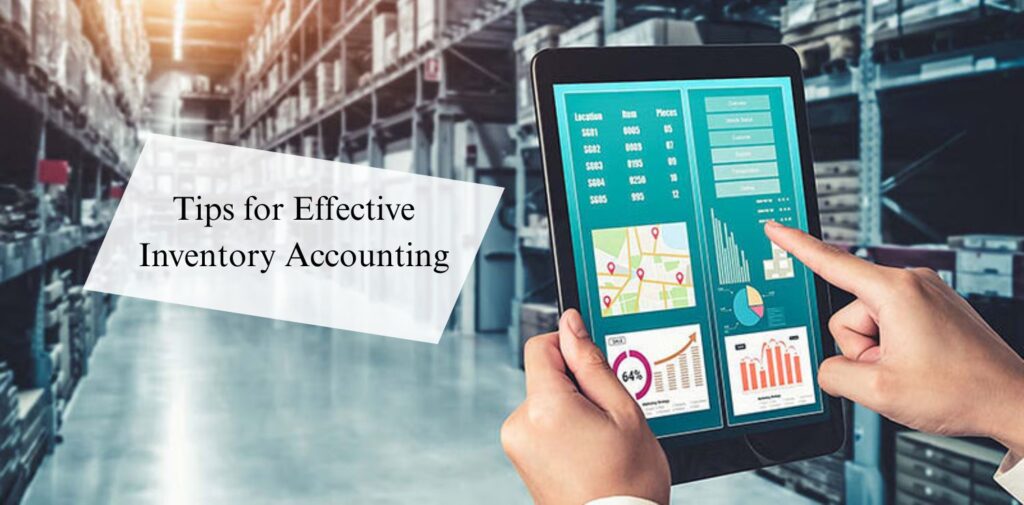
To make inventory accounting easier and more effective, Indian businesses should consider these tips:
- Maintain regular physical stock counts and reconcile with accounting records.
- Choose an appropriate inventory valuation method that fits your business model.
- Use technology to automate recording and tracking of inventory.
- Train staff on proper handling and documentation of stock movements.
- Keep clear documentation for purchases, sales, returns, and adjustments.
- Review inventory reports periodically to identify slow-moving or obsolete stock.
- Stay updated with GST rules and accounting standards.
Conclusion
It is a vital aspect of business management for Indian companies dealing with goods. It helps ensure accurate financial reporting, efficient stock management, and compliance with taxation laws like GST. By understanding the basics of inventory accounting, the valuation methods, and the challenges involved, businesses can improve their operations and profitability.
For Indian entrepreneurs and business owners, investing time and resources in good inventory accounting practices will pay off by reducing costs, avoiding stock issues, and supporting better decision-making. Whether you run a small retail store or a large manufacturing unit, mastering inventory accounting can be a key to your business success