

When you hear the word “amortization,” it might sound like a complex financial term meant only for bankers or finance experts. But the truth is, amortization is a concept that can help you better understand your loans, manage your finances, and plan for the future — especially in India, where many people take loans for homes, vehicles, education, or business. This article will explain amortization in a simple way, clearing up any confusion and showing how it applies to everyday financial decisions.
What Is Amortization?
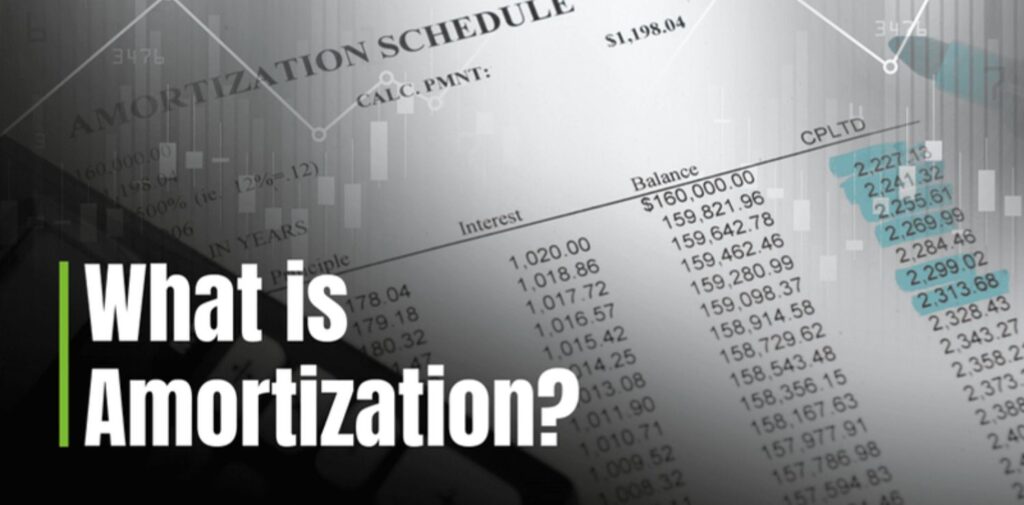
At its core, amortization is a process of gradually paying off a loan through regular payments over a set period. Each payment you make includes two parts: the principal amount (the original loan amount) and the interest charged by the lender. Over time, as you continue making payments, the portion that goes toward the principal increases, while the interest portion decreases. By the end of the loan term, you will have fully paid off both the principal and the interest.
In simple words, its is just a way to break down a big loan into smaller, manageable payments that you pay over months or years. This helps you avoid paying the entire loan amount all at once, which is usually impossible for most people.
Why Is Amortization Important for You?
Understanding amortization is important for anyone who has taken or plans to take a loan. Whether it’s a home loan, car loan, personal loan, or education loan, knowing how it works can help you:
- Plan your monthly budget better by knowing exactly how much you need to pay each month.
- Understand how much interest you are paying and how it changes over time.
- Decide whether to make extra payments to reduce the loan term and save on interest.
- Compare different loan options to find the most affordable and suitable one.
- Avoid surprises by knowing how much of your payment is actually reducing your debt.
For many Indians, taking loans is a necessary part of life. Houses, vehicles, education, and even weddings often require financial support. Its helps bring clarity to this process.
How Does Amortization Work?
Let’s take an example of a home loan in India to understand amortization better.
Suppose you take a home loan of ₹30 lakhs at an interest rate of 8% per annum, with a loan tenure of 20 years. You will have to pay a fixed amount every month (called EMI – Equated Monthly Installment).
This EMI consists of two parts:
- Interest Payment: The cost charged by the bank for lending you money.
- Principal Repayment: The amount that actually reduces your loan balance.
In the early years of the loan, a larger part of your EMI goes towards paying the interest, and a smaller part reduces the principal. Over time, this reverses — as the principal decreases, the interest charged becomes less, and more of your payment goes to the principal.
This schedule of payments and how the split changes over time is called an amortization schedule.

Benefits of Knowing Your Amortization Schedule
By understanding the amortization schedule, you can:
- See exactly how much principal you have repaid at any point.
- Know how much interest you have paid to the bank.
- Decide if it makes sense to prepay some part of your loan.
- Predict when your loan will be fully repaid.
Many banks and financial websites offer free amortization calculators for home loans and other types of loans. Using these tools, you can enter your loan details and get a clear picture of your repayment journey.
Amortization and Tax Benefits in India
One big advantage of taking loans in India is the tax benefits available under various sections of the Income Tax Act, especially for home loans.
The interest paid on home loans is eligible for a deduction of up to ₹2 lakh per year under Section 24(b), while principal repayment can be claimed under Section 80C up to ₹1.5 lakh. These deductions effectively reduce your tax liability and make loan repayment easier.
Knowing how its works can help you plan your repayments to maximize these tax benefits. For example, since interest payments are higher in the initial years, you get higher tax deductions early in the loan tenure.
Amortization Beyond Loans
While amortization is most commonly linked to loan repayments, it also applies to other areas, such as:
- Business Assets: Companies use amortization to spread the cost of intangible assets like patents or trademarks over their useful life.
- Prepaid Expenses: If you pay for a service in advance, its helps allocate that cost over the period the service is used.
For most individuals, however, the concept of the most relevant when managing loans.
Tips to Make the Most of Your Loan Amortization
- Always check the amortization schedule before taking a loan. This helps you understand how your payments will be split.
- If your financial situation improves, consider making extra payments. This will reduce your principal faster and save interest.
- Use online EMI calculators to compare different loan options. Interest rates, tenure, and payment frequency affect your total cost.
- Keep track of your loan balance regularly. Many banks offer mobile apps or online portals for easy access.
- Remember that prepayment rules and penalties vary by lender. Check terms before making extra payments.

Common Misunderstandings About Amortization
Some people think that since their EMI is fixed, their interest payments will also remain the same. But interest is always calculated on the outstanding principal, so it reduces as you repay the principal.
Others believe that paying off the loan early is always beneficial. While it saves interest, sometimes banks charge prepayment penalties. So, you should calculate whether early repayment is cost-effective.
Lastly, some borrowers do not realize that longer loan tenures reduce monthly payments but increase total interest paid over time. So, it’s important to choose a tenure that balances affordability and interest cost.
Conclusion
Amortization is not a complicated concept reserved for financial experts. It is simply a way to understand how loans work and how you repay them over time. By learning about Loan EMI Structure, Indian borrowers can take smarter decisions, plan their budgets, save on interest, and even enjoy tax benefits.
Whether you are buying your dream home, a car, or funding education, understanding its empowers you to manage your finances confidently. Next time you take a loan or hear someone talk about EMIs, remember that amortization is the simple process behind it, helping you break down a big loan into easy monthly payments.