

Life is unpredictable. Whether it’s a sudden medical emergency, unexpected job loss, or urgent home repairs, financial surprises can hit anyone at any time. This is where an emergency fund steps in as your safety net. For many Indians, managing finances can be challenging with daily expenses, loans, and other commitments. But building an emergency fund is one of the smartest steps you can take to protect yourself and your family from financial stress.
In this article, we will explain why an emergency fund is crucial, how much you should save, and practical tips to start and maintain it. We will keep the language simple and relatable, so you can easily understand and apply these concepts in your life.
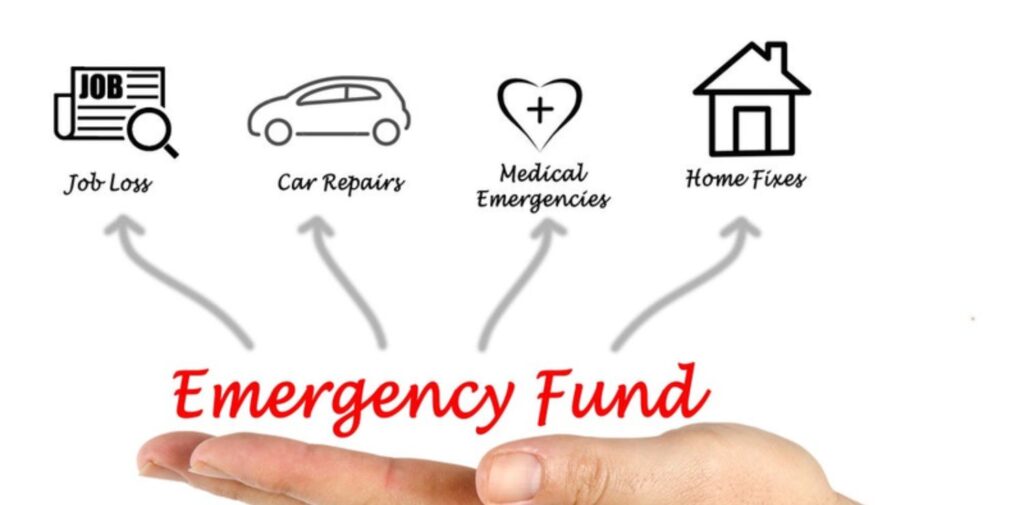
What Exactly Is an Emergency Fund?
An emergency fund is money set aside to cover unexpected expenses or financial emergencies. Unlike your regular savings or investments, this fund is liquid, meaning you can access it quickly when needed without penalties. It acts like a financial cushion to help you handle sudden events without borrowing or selling your assets.
Common emergencies where this fund helps include medical treatments, sudden job loss, urgent travel, home repairs, or car breakdowns. Without this fund, you might have to rely on credit cards, loans, or borrowing from friends and family, which can increase your financial burden.
Why Do Indians Need an Emergency Fund?
In India, many people live on monthly incomes that are often just enough to cover regular expenses. There is limited social security, and not everyone has health insurance or job protection benefits. This makes having an emergency fund even more important.
Additionally, medical costs can rise unexpectedly, and job markets can be unstable. Many Indians also have responsibilities towards extended families, increasing the financial pressure during tough times. An funds helps you stay financially independent and secure during uncertain periods.
How Much Should You Save in Your Emergency Fund?
The general advice is to save between 3 to 6 months’ worth of your essential expenses. For some, 3 months may be enough, but if you have dependents or unstable income, aiming for 6 months is safer.
To calculate this, list your essential monthly expenses like rent, groceries, electricity, medicine, and loan payments. Multiply this total by the number of months you want your fund to cover. For example, if your essential expenses are ₹20,000 per month, saving between ₹60,000 to ₹1,20,000 would be ideal.
Remember, this money should be separate from your regular savings and should only be used for emergencies. It’s not meant for vacations, festivals, or daily needs.
Where to Keep Your Emergency Fund?
Since you need quick access to this money, it’s best to keep your emergency fund in a liquid form. In India, a few safe options are:
- Savings Account: Easy access, but interest rates are low. Still, it’s good for small amounts.
- Fixed Deposits (FD) with Liquidity: Some banks offer FDs with flexible withdrawal options, giving higher interest and quick access.
- Liquid Mutual Funds: These funds invest in short-term debt instruments and offer better returns than savings accounts with easy withdrawal.
- Sweep-in Accounts: These link your savings account to an FD, allowing automatic transfers for liquidity and better interest.
Avoid investing your emergency fund in stocks or long-term fixed assets because their value can fluctuate, and you might face losses or penalties if you withdraw early.
How to Build an Emergency Fund Step by Step
- Start Small: Don’t wait to save a huge amount at once. Begin by saving a small part of your monthly income, even ₹500 or ₹1000.
- Set a Target: Decide how many months’ expenses you want to cover. This gives you a clear goal.
- Automate Savings: If possible, set up an automatic transfer from your salary account to your emergency fund every month. This creates discipline.
- Cut Unnecessary Expenses: Identify areas where you can save money without affecting your lifestyle significantly. Use this to boost your fund.
- Use Windfalls Wisely: Bonuses, gifts, or tax refunds can be great additions to your funds.
- Keep it Separate: Don’t mix your emergency fund with your daily spending or investment accounts.
When Should You Use Your Emergency Fund?
Use your emergency fund only for genuine emergencies. Some examples include:
- Medical emergencies such as sudden hospitalization or surgeries.
- Loss of job or income source.
- Urgent home repairs, like a leaking roof or broken electrical wiring.
- Unexpected travel due to family emergencies.
- Sudden vehicle repairs essential for daily commuting.
Avoid using the fund for wants like buying gadgets, vacations, or festivals. This fund is your lifeline during tough times, so treat it as sacred.
Replenishing Your Emergency Fund After Use
If you ever have to use your its fund, prioritize rebuilding it as soon as possible. Return to your savings routine, and if possible, increase the monthly amount until you reach your target again. This helps you stay protected for future uncertainties.

The Emotional and Psychological Benefits of an Emergency Fund
Having an emergency fund provides peace of mind. It reduces anxiety about the unknown and lets you focus on solving problems instead of worrying about money. It also empowers you to make better decisions, like taking time off work to find a new job or handling health issues without stress.
Final Thoughts
In India’s dynamic economic environment, an emergency fund is more than just money saved; it is your financial lifeline. It gives you security, independence, and peace of mind during unexpected challenges. Starting early and staying disciplined will help you build a strong financial foundation. Remember, the best time to start is today—no matter how small the amount.
Building and maintaining an fund is a smart, responsible habit that everyone should adopt. It’s the first step toward financial freedom and resilience, ensuring you and your loved ones stay protected, no matter what life throws your way.