
In today’s world, having a good credit score is essential for many financial decisions. Whether you want to take a loan for buying a house, a car, or even get a credit card, your credit score plays a major role. In India, the awareness about credit scores and how to build them is still growing. Many people, especially youngsters and first-time earners, are unaware of how to start building credit from scratch. This article will guide you step-by-step on how to building credit in India in a simple and easy-to-understand manner.
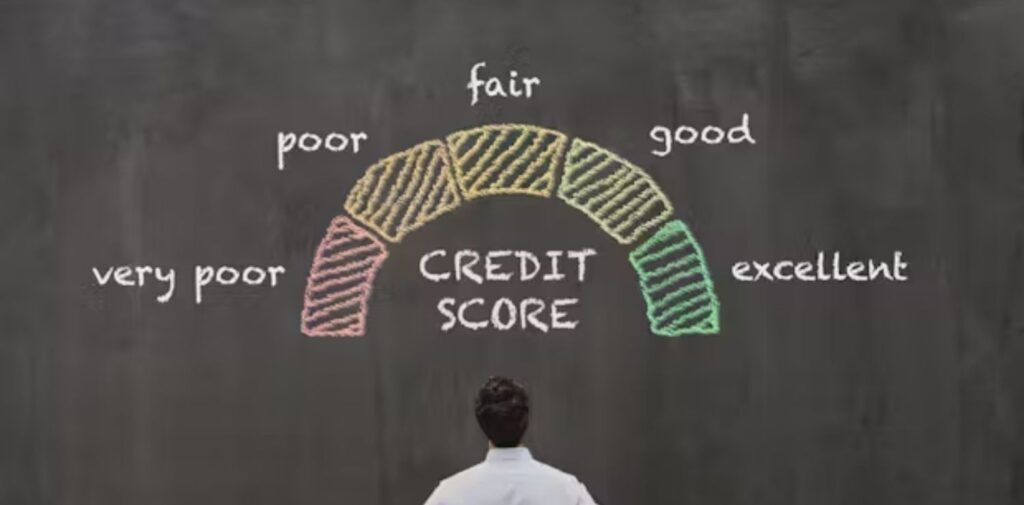
What is a Credit Score and Why is it Important?
A credit score is a 3-digit number that reflects your creditworthiness. In India, credit scores are provided by credit bureaus like CIBIL, Experian, Equifax, and CRIF High Mark. The most commonly referred score is the CIBIL score, which ranges from 300 to 900. A score above 750 is generally considered good.
Why is this score important? Because banks and financial institutions use it to decide whether they should give you a loan or a credit card. A higher score means you’re more likely to get approved and at better interest rates. Even for renting a house or applying for a job in the finance sector, your credit report may be checked.
How Do You Start Building Credit from Scratch?
If you’re just starting out, maybe you’re a student, a new job holder, or someone who has never taken a loan or credit card before, then your credit history will be blank. But don’t worry—everyone starts somewhere. Here are a few smart ways to begin building your credit:
1. Get a Secured Credit Card
A secured credit card is one of the easiest ways to start your credit journey. These cards are given against a fixed deposit (FD) with the bank. For example, if you make a fixed deposit of ₹10,000, the bank may issue you a secured credit card with a limit of ₹8,000 to ₹10,000.
The best part is that you don’t need a credit history to get this card. Use this card wisely—spend only what you can repay and pay your full dues on time. Doing this regularly helps you build a good credit score.
2. Take a Small Personal Loan or Consumer Durable Loan
If you have just started working and have a steady income, consider taking a small personal loan or an EMI-based consumer durable loan (like on a mobile phone, laptop, or appliance). Choose an affordable EMI and repay it on time every month.
Banks and NBFCs (non-banking financial companies) report your payment behavior to credit bureaus. Timely repayments help you create a positive credit history.
3. Become an Add-On or Authorized User on Someone Else’s Card
If a family member, such as a parent or spouse, has a credit card with a good repayment history, you can request them to make you an add-on cardholder. This allows you to use the card and build credit without applying for one yourself.
Some banks also report the credit activity of the add-on cardholder to the credit bureau, which can help you start building your own credit.
4. Pay All Bills on Time, Every Time
Although utility bill payments (like electricity, gas, water, and mobile bills) don’t directly affect your credit score, some fintech platforms in India now allow you to link your utility payments to your credit profile. Even if that doesn’t apply, building a habit of timely payments is important.
If you miss credit card or loan payments, it harms your credit score. So, set reminders or enable auto-debit to ensure you never miss a due date.
5. Avoid Applying for Too Many Loans or Cards at Once
Every time you apply for a loan or credit card, the bank pulls your credit report. Too many such pulls or “hard inquiries” in a short time can negatively impact your credit score. It also shows lenders that you might be credit-hungry.
Instead, apply only when necessary and after doing proper research to increase your chances of approval.

What Factors Affect Your Credit Score?
To maintain and grow your credit score, it’s essential to understand the key elements that influence it. Here are the main factors:
Payment history – This is the most important factor. If you pay your EMIs and credit card bills on time, it builds a positive history.
Credit utilization – This means how much of your credit limit you’re using. It’s best to keep it below 30%. So, if your credit limit is ₹10,000, try not to spend more than ₹3,000 regularly.
Credit mix – Having a combination of secured loans (like home or auto loan) and unsecured loans (like personal loan or credit card) improves your score over time.
Length of credit history – The longer your credit history, the better it is. This is why starting early helps in the long run.
New credit inquiries – As mentioned, applying for many loans or cards at once can hurt your score.
How to Check Your Credit Score for Free in India
In India, you’re entitled to one free credit report from each credit bureau once a year. You can also check your score regularly on fintech apps like Paytm, CRED, BankBazaar, and others. Monitoring your score helps you understand how your actions impact it.
If you find errors in your credit report, you can raise a dispute with the bureau. Always ensure your report reflects accurate information.
Tips to Build and Maintain a Healthy Credit Profile
Here are some practical tips that will help you build and maintain a strong credit score over time:
Start small and grow steadily. Don’t aim for big loans in the beginning.
Always pay your dues on time—this is the most important habit to develop.
Don’t max out your credit card. Try to use only 20–30% of your limit.
Avoid cash withdrawals from credit cards unless it’s an emergency.
Be patient. A strong credit profile takes time to build, so don’t expect results overnight.
Check your credit report at least once a year to ensure everything is in order.
Don’t close old credit cards suddenly, as it reduces your credit history length.
If you’re ever unable to pay on time, talk to your bank and request a restructuring or moratorium instead of defaulting.
Conclusion: Why Building Credit Early is a Smart Move
Building a good credit history is not just about getting loans and credit cards. It’s about financial discipline, planning for the future, and having access to better opportunities. In India, more and more people are entering the formal credit system thanks to digital banking and fintech platforms. Starting early gives you a head start.
Whether you’re a college student, a young professional, or a homemaker planning to enter the financial world, it’s never too early—or too late—to begin building credit. Follow the steps above, stay consistent, and you’ll be on your way to achieving a strong and healthy credit score.
Remember, your credit score is like your financial reputation. Build it wisely, maintain it carefully, and it will open many doors for you in the future.