
Every successful business, whether small or large, needs a strong foundation of accounting. And to make sure accounting is accurate, trustworthy, and free from errors or fraud, one important system is needed – Internal Controls. These controls help a business work smoothly, keep financial records correct, and protect assets. In this article, we will understand what internal controls are, why they are important, and how they help Indian businesses stay safe and efficient.
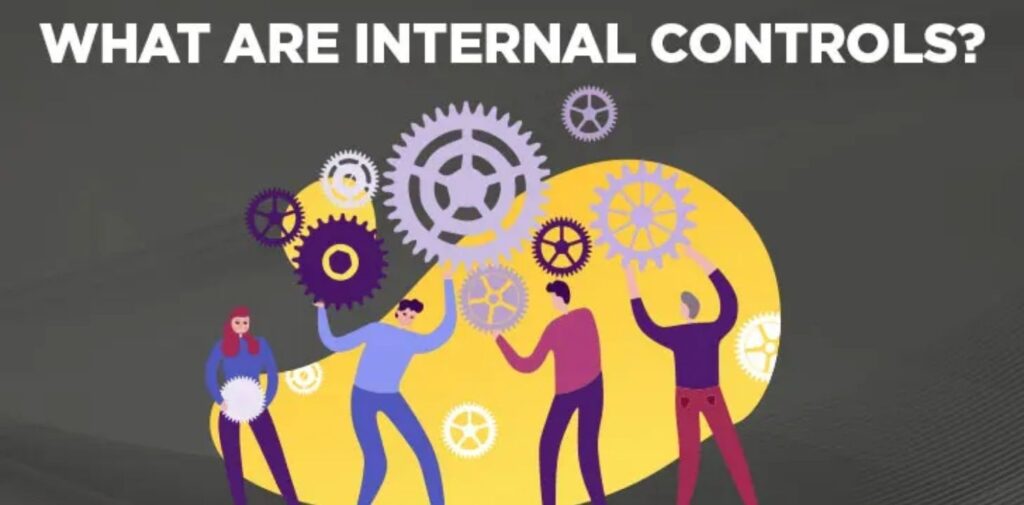
What are Internal Controls?
Internal controls are systems, rules, and procedures that companies follow to ensure that their accounting and financial activities are correct, legal, and well-organized. In simple words, internal controls are like rules or checks put in place to prevent mistakes, fraud, or mismanagement of company resources.
These controls can be manual or automated and are applied to day-to-day processes such as recording sales, making payments, collecting money from customers, handling cash, and preparing financial reports.
For example, if a company has a rule that two people must approve every payment above ₹50,000, this is an internal control. It reduces the risk of fraud or unauthorized payments.
Why are Internal Controls Important for Indian Businesses?
In India, where many businesses are family-run or operate with limited staff, the risk of errors or misuse of funds is high if proper controls are not in place. Here’s why internal controls are important:
- They help detect and prevent fraud or theft
- They ensure financial statements are accurate
- They increase confidence among investors, banks, and regulators
- They make business operations more efficient
- They ensure compliance with Indian laws like the Companies Act, GST, and Income Tax rules
Especially for businesses planning to grow, attract investors, or take loans, having strong internal controls is a must.
Types of Internal Controls in Accounting
There are mainly three types of internal controls used in accounting:
- Preventive Controls: These are controls designed to stop errors or fraud before they happen. Examples include locking storerooms, requiring approvals before spending money, and setting limits on bank transfers.
- Detective Controls: These controls help identify problems after they have occurred. Examples include regular audits, reviewing bank statements, or surprise cash counts.
- Corrective Controls: These controls help fix the issue once it is found. This may include disciplinary actions, correcting errors in books, or updating company policies.
Together, these controls build a safety net that protects the business.
Common Examples of Internal Controls in Indian Businesses
Let us look at some practical examples of internal controls that Indian businesses can implement easily.
Segregation of Duties: One person should not handle all financial tasks. For example, the person who approves payments should not be the same person who writes cheques. This reduces the chances of misuse.
Approval Authority: Before making big purchases or expenses, get approval from higher management. This ensures that all spending is necessary and within budget.
Inventory Control: Keep a record of stock and conduct regular physical checks. This helps prevent theft or loss of goods, which is common in retail or manufacturing units.
Cash Handling Rules: Cash received should be deposited in the bank the same day. Also, petty cash should be handled by a responsible person and recorded properly.
Reconciliation: Regularly match bank statements with company books. If there is any difference, it should be investigated and corrected.
Audit Trails: Maintain proper records of all transactions. This will help during audits and tax filings and avoid penalties from the Income Tax Department.
Importance of Internal Controls for Compliance in India
India has strict financial and tax laws. Whether it is the Goods and Services Tax (GST), Income Tax Act, or the Companies Act, businesses are required to maintain proper books of accounts and follow legal procedures.
Internal controls ensure that your accounting practices are in line with these laws. For example:
- GST returns need matching with purchase and sales records. Proper control on invoices helps avoid mismatch and penalties.
- Companies registered under the Companies Act are required to follow accounting standards. Internal controls help meet these standards.
- If a company is being audited by an external auditor, having proper controls makes the audit smoother and faster.
Moreover, banks and investors always check whether a company has good internal processes before giving loans or funds. If your business has a strong internal control system, it builds trust and increases your credibility.
How to Set Up Internal Controls in Small and Medium Businesses
Many small businesses in India believe that internal controls are only for big companies. But that is not true. Even small and medium enterprises (SMEs) can implement simple and effective controls.
Start with identifying risk areas. Think about where mistakes or fraud can happen – such as in cash handling, inventory, or payments.
Define roles and responsibilities clearly. Make sure one person does not handle everything. For example, the person who makes payments should not be the same person who keeps the books.
Use technology. Accounting software like Tally, Zoho Books, or QuickBooks offer features that help track expenses, create invoices, and manage GST, reducing human error.
Train your staff. Make sure your employees understand the importance of following procedures. Regular training keeps them updated and alert.
Review regularly. Internal controls are not a one-time task. Review and improve your processes from time to time, especially as your business grows.

Real-Life Case: How Internal Controls Saved a Business
Let’s take an example of a small manufacturing company in Pune. The owner used to trust a single accountant to handle all payments, receipts, and record-keeping. Over time, the accountant started diverting money to personal accounts.
The owner noticed financial stress but couldn’t find the reason. After consulting a financial advisor, they introduced basic internal controls – separate persons for approving and making payments, regular checks on bank statements, and monthly reviews.
Soon, they discovered the fraud, took action, and recovered part of the money. Now, with a stronger control system, the business is growing confidently and even attracting investors.
Conclusion: Internal Controls are a Business Lifeline
In today’s competitive and regulated environment, internal controls are not optional – they are necessary. Whether it is about following Indian tax laws, keeping financial data clean, or building a trustworthy business, internal controls act as your shield.
They may seem like extra work at first, but they actually save time, money, and stress in the long run. If you are a business owner or manager in India, start reviewing your control systems today. Implementing even a few simple steps can protect your business and help it grow with confidence.
Remember, a strong building needs a strong foundation – and in business, internal controls are that foundation.