

Conducting an audit might sound complicated, but it is a very important process for any business, big or small. In India, where businesses are growing rapidly, knowing how to carry out a basic audit can help ensure your financial records are accurate and your business is running smoothly. This article will explain what an audit is, why it is necessary, and how you can conduct a basic audit step by step in a simple and easy way.
What is an Audit?
An audit is a careful examination and evaluation of a company’s financial records and processes. The main goal is to check whether the accounts are accurate and comply with laws and regulations. Audits can be done by external auditors (who are independent professionals) or internal auditors (employees within the company). A basic audit focuses on verifying the financial information to make sure everything is honest and transparent.
Why is Auditing Important for Indian Businesses?
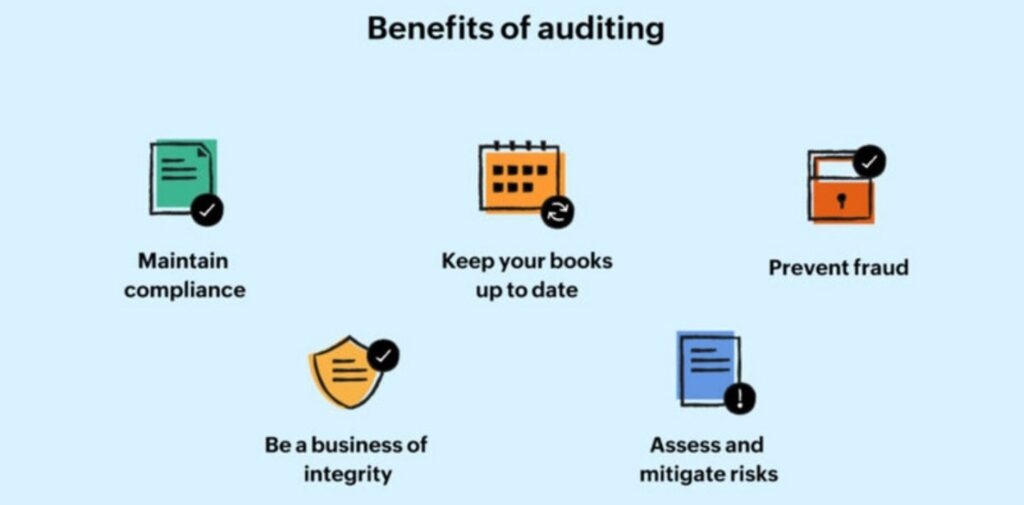
In India, audits are important for many reasons. First, they help businesses avoid mistakes and fraud, which can be costly. Second, audits are often required by law, especially for companies registered under the Companies Act, 2013. Third, banks and investors usually ask for audited financial statements before giving loans or investing money. Lastly, auditing helps business owners understand the true financial position of their company, so they can make better decisions.

Preparing for the Audit
Before starting an audit, preparation is the key. Gather all necessary financial documents like invoices, receipts, bank statements, and accounting books. Make sure your records are complete and organized. This will save time and reduce errors during the audit process.
It is also important to know the scope of the audit. Decide which financial year or period you want to audit and what parts of the business need more focus.
Steps to Conduct a Basic Audit
- Understanding the Business
- First, get a clear idea about the nature of the business. Understand its operations, the way it earns money, and its expenses. This knowledge helps you identify important areas that need detailed checking.
- Review Accounting Records
- Go through the books of accounts like ledger, journal, cash book, and bank statements. Check if entries are recorded properly and match the supporting documents like bills and receipts.
- Verify Financial Statements
- Check the balance sheet, profit and loss account, and cash flow statement. See if they are prepared according to accepted accounting principles and reflect the true financial position.
- Check Internal Controls
- Internal controls are rules and procedures designed to protect the company’s assets and ensure accurate reporting. Review if these controls are in place and working properly. For example, check if payments require approval or if cash handling is monitored.
- Physical Verification
- Sometimes, physical verification of assets like stock, cash, or equipment is necessary. This helps confirm whether the records match the actual items.
- Identify Errors or Fraud
- Look carefully for any mistakes or signs of fraud such as unusual transactions, missing documents, or discrepancies in accounts.
- Prepare Audit Report
- After completing the audit, prepare a report summarizing your findings. The report should mention if the accounts are correct, any problems found, and suggestions for improvement.

Common Challenges During Audits
Auditing can be challenging because of incomplete records, lack of cooperation from staff, or complex transactions. To overcome these, maintain clear communication and ask for help from professionals if needed.
Conclusion
Conducting a basic audit is not as difficult as it may seem. With proper preparation, attention to detail, and understanding of your business, you can perform an effective audit that benefits your company. For Indian businesses, regular auditing ensures compliance with laws, builds trust with stakeholders, and helps improve financial management. Whether you do it yourself or hire an auditor, knowing the basics of auditing is a valuable skill that every business owner should have.