
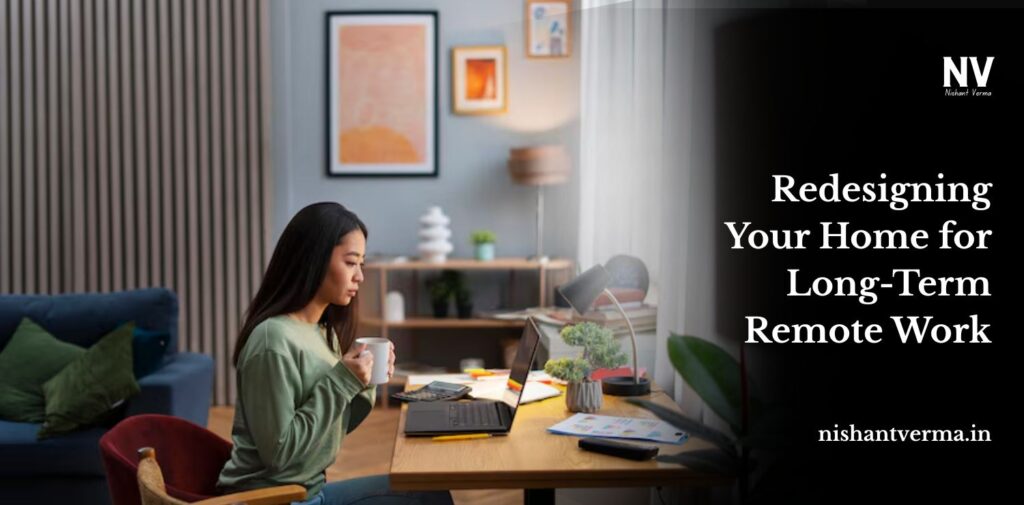
Many of us just moved our working space to the dining area, on the sofa, or another area where we could work quietly and alone when remote work was needed suddenly. A one-time fix has now become a common or long-term situation for millions. If remote work is now your main job, you may want to consider freshening up your home office to increase both your productivity and well-being.
You don’t have to completely overhaul your home to make it work for remote work. If you use some good planning, try out creative solutions, and choose ergonomic products, you can make working from home effortless.
Carve Out a Dedicated Workspace
The best thing to do first is to make sure your space is intentionally designed for work. Mixing our professional and personal space may make it more difficult to stay focused and may create unnecessary stress. If you don’t have an extra room for work, simply decide on an area where only work happens.
Tips:
- Separate a part of a shared room by adding furniture or screens.
- Create new uses for unused areas in your home, such as under-stair spaces or closets.
- Dedicating a place can teach your brain that spot is for when you need to be productive.
Prioritize Ergonomics
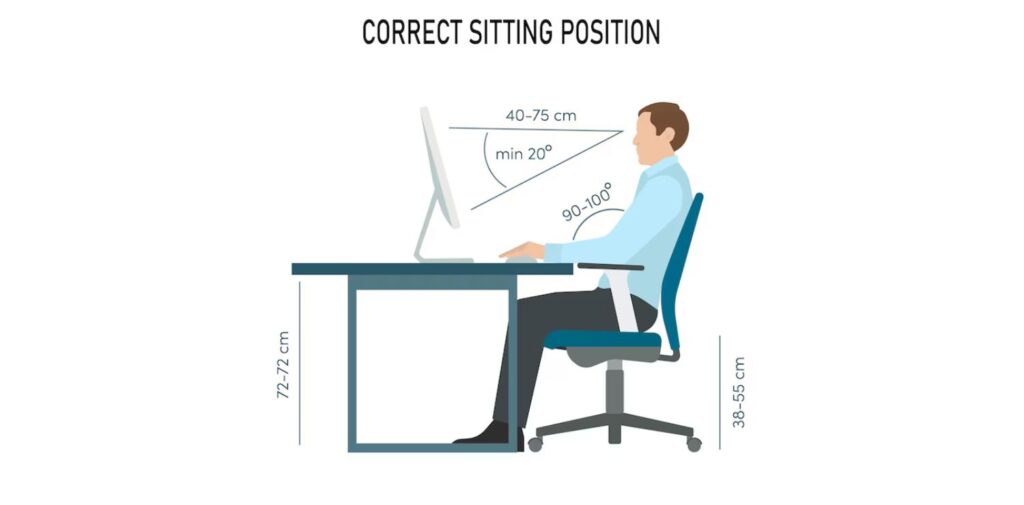
If you’ll always work from home, making sure your setup is ergonomic will help your body a lot. Having a bad posture can result in back pain, problems in your wrists, and a feeling of tiredness.
Here’s what you need to keep in mind:
- A chair that allows you to change your back support.
- A desk can be adjusted between sitting and standing positions with these items.
- For good posture, connect an external monitor, keyboard, and mouse.
- Extra support on your feet and hands as well.
- Try to hold your spine and wrist in a neutral position.
Maximize light to both increase mood and promote work efficiency.
When the lighting in your office is good, it helps set your mood and energy for the day. It’s best to enjoy natural sunlight since it encourages your body to rest and boosts your ability to stay attentive.
Lighting tips:
- Ensure your desk is beside a window, but make sure the sun isn’t glaring at it.
- Install LED daylight bulbs in your room if you do not receive much natural light.
- A desk lamp that lets you change the brightness is a good addition.
- Don’t use fluorescent lighting with indirect overhead slots, as they tend to be very bright and tiring.
- Having both general lights and task lights will protect your eyes and will give your area a warm feeling.

Adjust the sound system to help concentrate.
A home’s most typical distraction is usually noise. No matter if it’s barking sounds, kids playing or outside traffic, noise often disrupts your work. You don’t need a soundproof room to make your room sound better.
- Adding heavy curtains or acoustic panels to the room.
- Putting rugs and fabric furniture in your living space to decrease echoes.
- Putting money into headphones that can block out external sound.
No matter how well your workspace looks, if the sound environment is bad, productivity will suffer.
Use storage solutions to keep your workspace neat.
Put storage containers close by to help you keep your area orderly. Seeing many things in a room can make your mind feel confused. If your storage works as it should, you won’t have to search for items when you need them.
See if these solutions help improve your situation:
- Put shelves up on the wall so you don’t have furniture taking up space on the floor.
- It’s best to put your papers in drawers or file boxes.
- A good way to keep the area organized is to use a cable system.
- Label every bin, drawer, and file you use so they are clear to everyone.
If a place is organized and simple, your thoughts are calmer, and you can work more attentively.

Ensure You Can Meet Changing Needs
Because your needs will change over time, pick designs and arrangements that are adjustable.
- You should always have cable outlets, USB ports, and surge protectors available in your space.
- Think about getting items of furniture with several functions, such as fold-down desks and changeable storage.
Now, remote work isn’t just a strategy during a crisis—it’s how we live. The atmosphere in your home ought to shift as you do.
Conclusion
Changing your home for long-term remote work means focusing not only on working more efficiently but also on making it a good place for your goals and your health. Small investments in office furniture and personal touches now can bring you better focus, good health, and happiness tomorrow.
No matter if you work freelance, as an employee, or remotely, the space you work in is important. If you plan your home carefully, you’ll enjoy a better way of living and working.