

In today’s fast-paced business world, companies are not just recognized for their products or profits, but also for their values, ethics, and the way they treat their people. This is where the concept of company culture comes in. Company culture is the personality of a company. It defines how employees interact, how decisions are made, and what kind of environment people work in every day. And when we talk about building this culture, Human Resources (HR) plays a key role.
HR is not just about hiring and firing. It is the department that ensures employees feel motivated, respected, and aligned with the company’s goals. Especially in India, where diverse traditions, languages, and work habits come into play, building a strong and inclusive company culture is essential. Let us understand how HR plays a major role in building and maintaining a positive workplace culture.
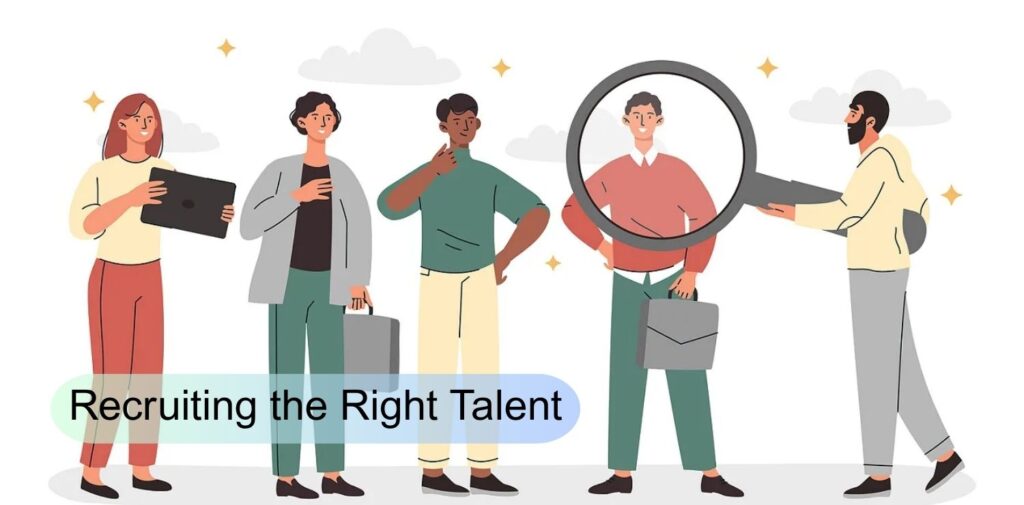
Recruiting the Right Talent
Every great culture begins with the right people. HR is responsible for hiring individuals who not only have the required skills but also match the company’s values and work ethics. While technical knowledge is important, HR also looks for personality traits, communication skills, attitude towards teamwork, and cultural fit.
For example, if a company believes in innovation and experimentation, HR will hire candidates who are open to new ideas, curious, and not afraid to take calculated risks. Similarly, if the organisation values discipline and process, HR will search for individuals who can work in a structured manner.
In India, where job markets are highly competitive and diverse, hiring decisions are even more crucial. HR often considers the cultural background, language comfort, and mindset of the candidate to ensure they will blend well with the team.
Onboarding and Induction Process
The first few days in a new job are very important for any employee. This is the time when they form their first impression of the company. A well-planned onboarding and induction process conducted by HR helps in introducing the company’s mission, vision, core values, and working style to the new employee.
When HR takes the time to properly welcome and train new employees, it shows that the company cares. It also gives the new joinee confidence and clarity about their role. In many Indian companies, HR adds a personal touch by arranging welcome kits, buddy programs, or even small cultural introductions to help new employees settle in.
A strong onboarding process ensures that the employee starts their journey on a positive note, feeling supported and engaged.
Promoting Open Communication
Open and transparent communication is one of the foundations of a strong work culture. HR creates policies and systems that encourage employees to share their thoughts, ideas, and concerns without fear. Whether it is through regular feedback sessions, employee surveys, or open-door policies, HR ensures that communication flows smoothly across all levels of the organisation.
In Indian offices, where hierarchy can sometimes prevent free interaction, HR plays a key role in breaking barriers. They organise team meetings, townhalls, and suggestion boxes where employees can voice their opinions. By listening and taking action, HR builds trust and respect within the company.

Encouraging Diversity and Inclusion
India is a land of diversity – from language and religion to region and traditions. A successful company culture respects and celebrates this diversity. HR leads the way in creating an inclusive environment where everyone, regardless of their background, feels welcomed and valued.
HR does this by ensuring unbiased hiring practices, organising cultural events, and spreading awareness through training programs. For example, celebrating festivals from different regions, promoting gender equality, or offering flexible working arrangements for employees with different needs – all these efforts come under the HR umbrella.
A workplace where people feel respected for who they are leads to higher job satisfaction and better teamwork.
Employee Engagement and Motivation
Keeping employees happy and motivated is not an easy task. HR continuously works to design activities and policies that boost employee morale. From birthday celebrations to performance recognition, team outings to wellness programs, HR makes sure that employees feel connected to the organisation.
Many Indian companies, especially startups and IT firms, have started focusing more on mental health and work-life balance. HR departments introduce meditation sessions, fitness challenges, or even offer counselling support.
In addition, reward and recognition programs are very important. When employees are appreciated for their hard work – be it through awards, bonuses, or even a simple ‘thank you’ mail – they feel valued. This directly impacts their productivity and loyalty towards the company.
Training and Career Development
Another key way HR shapes company culture is through learning and development. A company that invests in its people’s growth is seen as progressive and caring. HR identifies training needs, organises skill-building workshops, and encourages continuous learning.
In India, where many professionals seek long-term job stability and career growth, offering learning opportunities is a strong motivator. HR can tie promotions and salary hikes to training completion, which not only boosts individual performance but also aligns everyone with the company’s goals.
For example, leadership development programs, communication skill workshops, or technical upskilling – all these initiatives prepare employees for future roles and show that the company is invested in their success.

Handling Conflicts and Promoting Fairness
No workplace is free from conflicts. Differences in opinion, work stress, or personal misunderstandings can lead to problems between employees. HR acts as a neutral party to resolve such issues quickly and fairly.
They make sure that everyone follows company policies and that no one is treated unfairly. Whether it is handling complaints of harassment, discrimination, or performance issues, HR ensures that every voice is heard and that proper action is taken.
In Indian companies, where personal relationships often mix with professional ones, HR needs to manage such situations delicately and with empathy. A strong conflict-resolution policy builds a culture of respect and trust.
Conclusion – HR as the Culture Champion
In conclusion, Human Resources is not just a department that manages paperwork. It is the heart and soul of a company’s culture. From hiring the right people to developing them, from resolving conflicts to celebrating achievements – HR is involved in every step that defines the work environment.
A positive work culture leads to happier employees, better productivity, lower attrition, and ultimately, business success. In a culturally rich and competitive country like India, HR plays an even more important role in blending professionalism with emotional intelligence.
Every company that wants to grow and thrive must invest in building a strong HR team. Because when the culture is right, everything else falls into place.
Let your HR not just manage people – let them inspire, support, and build a culture that everyone is proud to be a part of.