
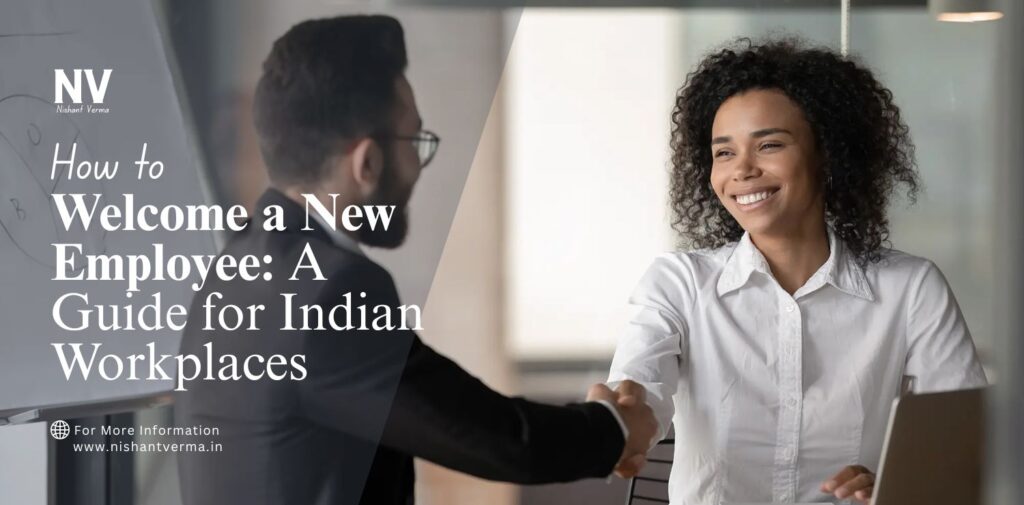
Welcoming a new employee is one of the most important steps in building a strong and productive team. In India, where Indian workplaces culture is a blend of professionalism and deep-rooted values like respect and hospitality. creating a warm and thoughtful onboarding experience can go a long way. It sets the tone for the employee’s journey with your organization, boosts morale, and increases the chances of long-term retention.
Whether you’re running a small business or part of a large corporate setup, investing time and effort in properly welcoming new employees pays off in the long run. In this article, we’ll walk through simple, effective, and culturally thoughtful ways to welcome new employees in an Indian workplaces. These ideas are practical, easy to implement, and can help create a positive first impression.
Start with a warm and personal welcome
The first day at a new job can be a mix of excitement and nervousness. In Indian workplaces, hospitality matters a lot, and offering a warm, personal welcome to the new employee helps in making them feel comfortable. As soon as the new team member enters the office, make sure someone is available to greet them personally. A smile, a handshake, or a traditional gesture like saying “Namaste” depending on the office culture can go a long way.
Introduce the new employee to key people in the office, starting from their team members to department heads. If possible, arrange a small welcome session where everyone can gather to greet the newcomer. This doesn’t have to be elaborate — even a short informal meeting over tea can break the ice and help the new person feel included.

Prepare everything in advance for a smooth first day
Nothing is more frustrating than showing up at a new job and finding that your workstation is not ready. To avoid this, prepare everything well before the employee arrives. This includes:
- A clean and functioning desk or workspace
- Necessary office supplies like notepads, pens, and stationery
- Access to a working computer or laptop with required software installed
- Email ID and login credentials
- Office ID card or access pass
You can also leave a welcome kit that includes things like the employee handbook, a company-branded diary or mug, and a brief introduction to the indian culture. In India, some companies even include a small gift box with snacks or sweets, especially if it’s around a festival season — this adds a nice traditional touch.
Introduce them to the company culture and values
Indian companies often have a unique work culture shaped by traditional values, respect for hierarchy, teamwork, and diversity. It is important to introduce the new employee to this environment early on. This can be done through an orientation session or a one-on-one meeting with HR.
Explain the company’s mission, values, and vision. Talk about the team structure, work timings, dress code, leave policies, and other necessary guidelines. Encourage the new hire to ask questions, and make sure they know who to approach for help.
If your company celebrates festivals like Diwali, Holi, Eid, or Christmas together, mention that too. Cultural bonding at the workplace plays a huge role in Indian offices, and being aware of these traditions can help the new person blend in more smoothly.

Assign a buddy or mentor for guidance
One of the most helpful things you can do for a new employee is to assign them a buddy or mentor. This is usually a team member who is friendly, experienced, and willing to guide the newcomer during their first few weeks.
The buddy can:
- Help with day-to-day questions
- Assist with navigating internal processes
- Introduce the new employee to others
- Help them understand the unspoken workplace rules and habits
In Indian workplaces where informal bonding and social relationships matter, a buddy system ensures the new hire doesn’t feel left out or confused about how things work.
Organize a team lunch or ice-breaker activity
Social interaction is a huge part of Indian work culture. Organizing a casual team lunch or a tea-time gathering is a great way to break the ice. It allows the new employee to interact with colleagues in a relaxed setting and build connections beyond formal work conversations.
If lunch is not feasible, even a quick ice-breaker session in the meeting room can work. You can ask everyone to introduce themselves and share a fun fact or experience. The goal is to help the new hire feel like they’re part of the team, not just a name on the email list.

Follow up after the first week
The first few days of a new job can be overwhelming. That’s why it’s important to follow up with the new employee after their first week. This follow-up shows that the company truly cares about their experience and is open to feedback.
Ask them how their experience has been so far. Check if they have any questions or face any issues. A small feedback form or an informal chat with the manager or HR can give valuable insights into how the onboarding process can be improved for the future.
In India, a personal conversation is often appreciated more than a formal survey. Take time to talk to the employee, ask about their comfort, and make them feel that their opinions matter.
Conclusion: Indian Workplaces
Welcoming a new employee is not just a formality; it is the beginning of a relationship. In Indian workplaces, where relationships, respect, and personal touch are key values, a thoughtful welcome can make all the difference. It helps the new person feel confident, supported, and excited about their role in the company.
From preparing a clean desk and a welcome kit to introducing them warmly to the team and organizing a simple lunch, every small effort adds up to create a positive experience. By assigning a buddy, giving clear information, and offering personal support, you help the new employee settle in smoothly and start contributing quickly.
Ultimately, a good welcome experience can lead to higher employee satisfaction, better engagement, and a more cohesive team — something every company should aim for.
So the next time you have a new employee joining, remember that a good first day is the first step toward building a successful, long-term association.