
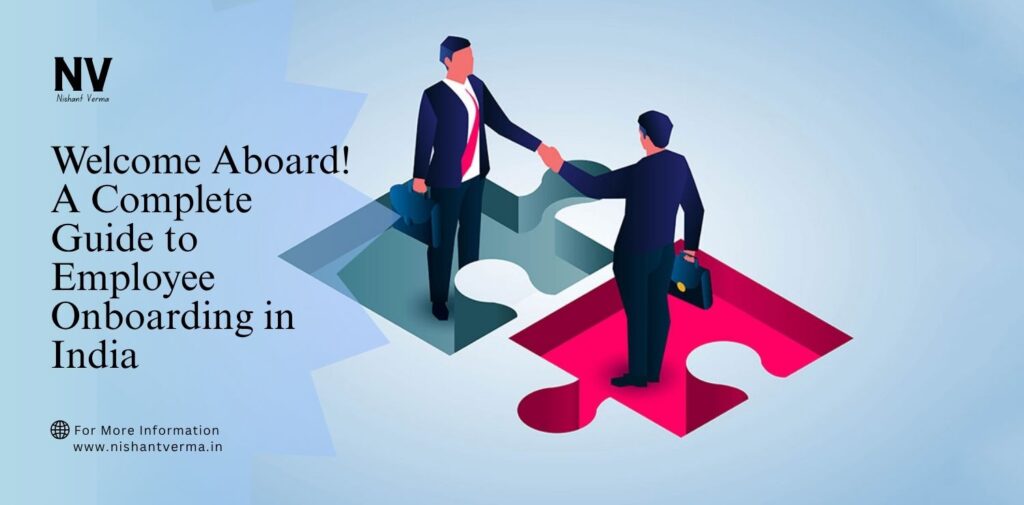
Starting a new job can be exciting, but also a little scary. For employers, welcoming a new employee in the right way is important to ensure they feel comfortable, confident, and ready to contribute. This process of helping a new hire settle into a company is called employee onboarding.
Employee onboarding is more than just paperwork and formalities. It’s about creating a positive first impression, sharing the company culture and values, explaining the roles and responsibilities, and providing all the tools and support needed to succeed. In India, where work culture and relationships hold special value, proper onboarding plays a big role in employee satisfaction and long-term success.
Let’s dive deep into what employee onboarding really means, why it’s important, and how Indian companies can do it effectively.
What is employee onboarding?
Employee onboarding is the process that companies follow to help new employees understand their job roles, meet their teammates, learn company policies, and become familiar with the workplace environment. It usually starts from the moment a candidate accepts the offer and continues for the first few weeks or even months.
In India, onboarding can include things like joining formalities, HR introductions, department orientation, training sessions, and even cultural rituals such as team lunches or welcome ceremonies. A good onboarding experience makes new employees feel valued and reduces their nervousness. It also helps them start performing well sooner.

Why onboarding matters more than you think
A proper onboarding program has many benefits – not just for employees, but for employers too. Let’s understand why it is so important.
- Better understanding of the job: When employees know what is expected from them, they are more likely to perform well. Onboarding helps set clear expectations.
- Improved confidence: Starting a new job in a new environment can be intimidating. Good onboarding reduces anxiety and boosts confidence.
- Faster productivity: When employees are trained and supported from day one, they become productive faster.
- Stronger relationships: Onboarding encourages team bonding, which is important in Indian workplaces where personal connections matter.
- Reduced employee turnover: Employees who feel welcomed and supported are more likely to stay for a long time.
In fact, many studies show that employees who experience a smooth onboarding process are more likely to remain with the company for years.
Steps involved in the onboarding process
There is no fixed format for onboarding, but most companies follow a similar structure. Here are some of the main steps involved in onboarding an employee:
- Pre-boarding activities: Before the employee joins, the company can send a welcome email, provide joining details, and assign a buddy or mentor. This makes the new hire feel special and prepared.
- Day 1 welcome: The first day should include a warm welcome, HR introduction, office tour (or virtual tour), and a brief overview of the company’s mission and vision.
- Documentation and formalities: Completing paperwork like ID verification, bank details, and form submissions should be organized and simple.
- Training and orientation: The employee should be given proper training related to their role and introduced to tools, systems, and policies.
- Team introductions: Meeting team members and managers is crucial. A small welcome meeting or lunch can help break the ice.
- Regular follow-ups: HR or managers should regularly check in with the new employee during the first few months to address any issues and provide guidance.

Common mistakes to avoid during onboarding
Many companies don’t realize the importance of onboarding and end up making mistakes that affect the new hire’s experience. Here are a few common mistakes to watch out for:
- Lack of preparation: If things are not ready when the employee joins, it creates a bad impression. Be prepared with login IDs, systems, and a clear plan.
- Information overload: Giving too much information at once can confuse the new hire. Spread out the training and introductions.
- Ignoring the cultural fit: In India, workplace culture varies a lot. Make sure the onboarding includes cultural orientation so the employee understands how the team works.
- No clear point of contact: New employees should always know who to reach out to for help. Assigning a buddy or mentor helps.
- Forgetting follow-up: Onboarding is not just a one-day event. Continuous feedback and support for a few weeks or months is necessary.
Making onboarding more engaging in Indian workplaces
Indian workplaces are unique in their own way. Respect for hierarchy, value of relationships, and strong community culture are key aspects. Here are a few ways companies in India can make onboarding more engaging and effective:
- Involve senior leaders: A short welcome message or meeting with a senior leader can make the employee feel important and connected to the bigger picture.
- Celebrate the new joiner: Small gestures like a welcome message in the company group, a personalized desk setup, or a welcome kit can go a long way.
- Cultural onboarding: Every company has its own work culture. In India, it’s important to talk about values like respect, teamwork, punctuality, and communication styles.
- Language support: India is a diverse country with multiple languages. Make sure communication during onboarding is clear and understandable to the employee.
- Flexible onboarding for remote employees: With more people working remotely now, onboarding should include virtual tours, video calls, and digital handbooks.

The long-term impact of good onboarding
When onboarding is done right, it leads to long-term success. Employees feel more attached to the company, stay longer, and perform better. They also become brand ambassadors who share their positive experience with others.
For Indian companies, where loyalty and employee relationships are highly valued, investing time and effort in onboarding brings big rewards. It also helps in creating a strong employer brand that attracts top talent.
In today’s competitive job market, companies cannot afford to ignore onboarding. It is not just an HR responsibility – it is a shared effort by the entire organization.
Final thoughts
Employee onboarding is the first step in a long journey between the employee and the employer. In India, where values like respect, connection, and community matter, onboarding should be a warm, thoughtful, and well-planned process.
Companies that treat onboarding as more than just a formality create a workplace culture that encourages trust, loyalty, and high performance. Whether you are a small business or a large corporation, onboarding should be a priority. When new employees feel welcomed, respected, and ready, they give their best – and that benefits everyone.
So the next time someone new joins your team, remember – the way you welcome them today can shape their future with your company.
If you found this article useful, share it with your HR team or managers. A small change in onboarding can make a big difference in the long run.