
In today’s fast-paced world, we often get caught up in our daily tasks and responsibilities. Whether it’s managing a career, taking care of family, or handling personal goals, staying connected with others can sometimes slip down the priority list. However, regular check-ins can make a significant difference in both personal and professional growth.
Check-ins are not just about meetings or catching up with someone; they’re about creating opportunities for progress, ensuring that we’re on the right track, and fostering healthy relationships. In the Indian context, regular check-ins play a vital role in family dynamics, workplace productivity, and self-improvement. Let’s explore the importance of regular check-ins and how they can enhance our lives.

Building Stronger Relationships
One of the most essential aspects of regular check-ins is the ability to strengthen relationships. In India, where family ties are deeply valued, staying connected with loved ones is a crucial part of maintaining harmony. Regular check-ins with family members, even if it’s just a quick phone call or message, show that you care and are involved in their lives. This simple act helps build trust, resolve conflicts before they escalate, and keeps the emotional bond strong.
Similarly, in friendships, taking time to check in with each other regularly can keep the connection alive. Whether you are catching up over a cup of chai or sending a text to see how someone is doing, it fosters a sense of belonging. A quick check-in may seem small, but it often goes a long way in showing someone that you value them and their well-being.
In the workplace too, regular check-ins between managers and employees can build a culture of mutual respect and trust. It creates a platform where concerns can be discussed, feedback can be provided, and growth can be nurtured. In the Indian corporate culture, where hierarchy sometimes creates barriers, regular check-ins can break down these walls and encourage open communication.
Tracking Progress and Setting Goals
Another critical advantage of regular check-ins is the ability to track progress and set new goals. Whether you’re working on personal projects or professional tasks, regularly reviewing your work allows you to identify what’s working and what’s not. In an Indian context, where family expectations and societal pressures often play a big role in one’s life, regular check-ins can help align personal aspirations with external expectations.
For instance, if you are studying for an exam or working on a business project, setting a time to review your progress allows you to identify areas for improvement. Instead of waiting until the last minute, regular check-ins help you stay on top of your tasks, avoid procrastination, and adjust your approach if needed.
In a workplace setting, managers who conduct regular check-ins with their teams can assess whether projects are moving forward as expected. They can ensure that everyone is clear on their responsibilities and any hurdles are addressed promptly. This is especially crucial in India, where the diverse nature of teams and the rapid pace of business demand frequent communication and realignment of goals.
Mental and Emotional Well-being
In India, mental health is often a topic that is sidelined, but regular check-ins can be a game-changer in improving one’s emotional and mental well-being. Having someone check in on you regularly, whether it’s a family member, a friend, or a colleague, provides an outlet for expressing feelings and concerns. Sometimes, all a person needs is to know that someone cares and is there to listen.
Regular check-ins also help in recognizing early signs of stress, anxiety, or burnout. In Indian society, where stress from work, studies, and family obligations is common, taking the time to check in with oneself or others can prevent mental health issues from spiraling. For example, a manager who checks in with employees regularly can detect when someone is overwhelmed, which leads to proactive steps to support the employee’s well-being.
Furthermore, if you’re feeling down or isolated, simply knowing that someone is reaching out to check on you can be reassuring. It provides comfort and shows that you’re not alone, fostering a positive emotional environment. It’s crucial in a culture like ours, where people often prioritize others’ needs over their own, to remember to check in with ourselves and our loved ones regularly.

Improved Productivity and Efficiency
Regular check-ins have a significant impact on productivity, especially in work environments. In the Indian corporate culture, where deadlines are often tight and multitasking is a common practice, ensuring that regular check-ins happen can increase efficiency and reduce errors. By taking time to discuss the progress of a project or a task, everyone involved gets the opportunity to address concerns, clarify doubts, and make adjustments early on.
In teams, where multiple people are working towards a common goal, check-ins keep everyone aligned. Regularly discussing the project’s direction ensures that no one is working in silos or duplicating efforts. It also helps in identifying bottlenecks and resolving them swiftly, preventing a backlog of tasks or misunderstandings that can affect timelines.
For individuals, check-ins allow them to evaluate their goals and to-do lists. Instead of running through tasks without much reflection, check-ins force you to pause and assess your achievements, challenges, and the way forward. This reflection improves time management, reduces mistakes, and helps in making more informed decisions.
Promoting Accountability
Accountability is crucial for success, and regular check-ins play a significant role in promoting it. In the workplace, when managers regularly check in with their employees, it creates a sense of responsibility. Employees are more likely to stay committed to their tasks and deadlines when they know that they will be held accountable for their progress.
In personal life too, regular check-ins with a trusted person can encourage you to stick to your commitments. If you have personal goals, whether it’s exercising, learning a new skill, or even saving money, regular check-ins with a family member or friend can provide the accountability you need to stay motivated.
In Indian society, where communal support often plays a significant role, having a circle that regularly checks in on your progress can be highly motivating. It’s not just about fulfilling expectations but also about fostering a culture of mutual growth, where everyone holds each other accountable for their progress.
Enhancing Personal Development
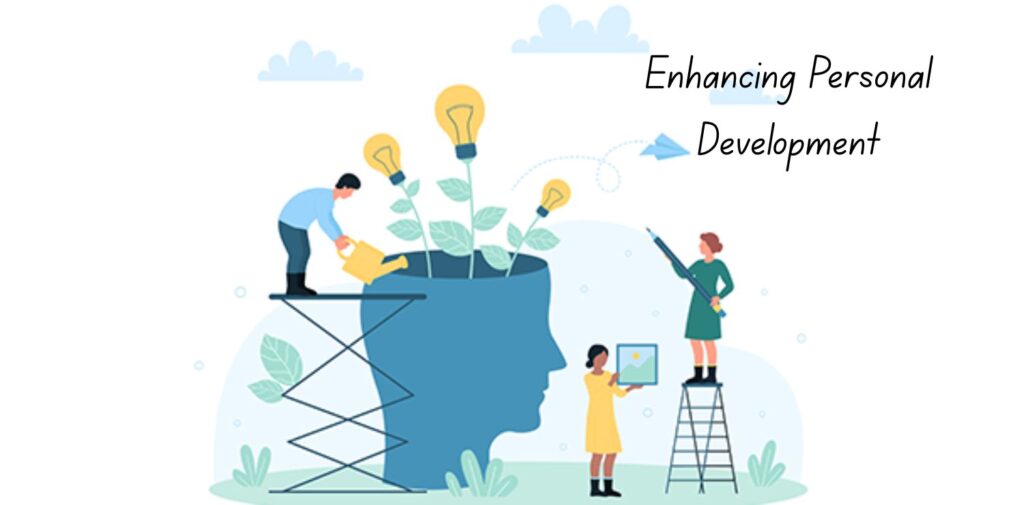
Lastly, regular check-ins are essential for personal growth. When you check in with yourself or others, it allows you to reflect on your strengths and weaknesses. It provides an opportunity to celebrate your achievements and learn from your mistakes. This reflection is an essential part of personal development.
In India, where tradition and family can sometimes limit one’s ability to explore different aspects of life, regular check-ins offer a moment to pause and think about your journey. They give you the chance to set new goals, revisit old ones, and adjust your approach to different challenges. By regularly checking in on your emotional, mental, and physical state, you can ensure that you’re progressing towards a healthier, more balanced life.
For students, working professionals, or homemakers, regular check-ins provide a moment to assess personal growth. It could be an opportunity to acknowledge progress, recalibrate goals, or seek feedback on how to improve. Whether through self-reflection or with the help of a mentor, regular check-ins are essential for becoming the best version of yourself.
Conclusion
In conclusion, regular check-ins are vital in various aspects of life. They help build stronger relationships, track progress, ensure emotional well-being, improve productivity, promote accountability, and enhance personal development. In Indian society, where the importance of family, work, and community is deeply ingrained, regular check-ins can provide the structure and support needed for growth and happiness.
By making check-ins a regular part of our lives, we can ensure that we stay connected, focused, and on track. Whether with a family member, a colleague, or yourself, taking the time to check in can be one of the simplest yet most effective tools for achieving success and fulfillment.