

In life, we all face times when things don’t go as planned. Whether it’s at work, school, or in personal relationships, poor performance can feel discouraging. However, it’s important to remember that setbacks are not the end of the road but an opportunity for growth. In this article, we’ll explore simple and practical ways to handle poor performance and use it as a stepping stone toward improvement. Whether you’re struggling with professional tasks, academic work, or personal goals, these tips will help you regain confidence and get back on track.
Understanding the Root Cause of Poor Performance
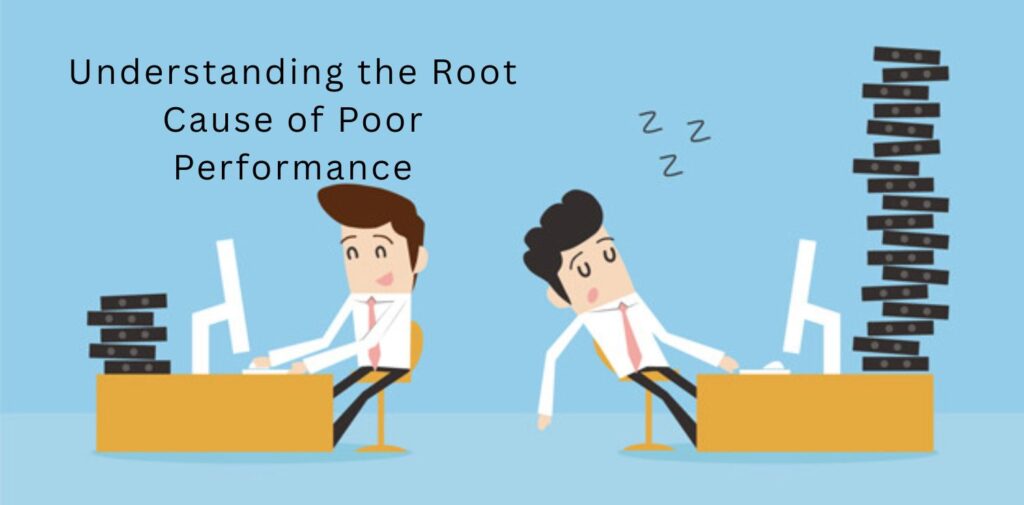
The first step in handling poor performance is to understand why it’s happening. It’s easy to get caught up in frustration and self-doubt, but it’s essential to pause and reflect on what might be causing the problem. Are you lacking certain skills? Is there a lack of motivation or interest? Are you overwhelmed with too many tasks? Or, is there something external, such as personal stress or health issues, affecting your performance?
Understanding the root cause helps you approach the issue more rationally. If you’re struggling at work, maybe it’s because you’re not given the proper training or support. If you’re falling behind in school, perhaps it’s because you’re not using your time effectively or you’re distracted. By identifying the cause, you can start focusing on solutions.
Don’t Be Too Hard on Yourself
It’s easy to fall into a negative thought pattern when things aren’t going well. Many people, especially in India, are taught to push themselves hard to succeed, and any failure can feel like a huge personal defeat. But it’s essential not to be too hard on yourself. Understand that failure is a natural part of growth. No one succeeds all the time, and even the most successful people have faced failure at some point in their journey.
Instead of focusing on what went wrong, shift your focus to what you can do next. Take responsibility for your performance, but avoid negative self-talk that can lead to a loss of confidence. Treat yourself with the same kindness and patience you would offer a friend in a similar situation. Encouraging thoughts will help you regain the strength to improve.
Set Realistic and Achievable Goals
One of the key reasons people struggle with performance is setting unrealistic expectations. In a society like India, where competition is fierce, it’s easy to want to achieve big things quickly. However, setting goals that are too ambitious or out of reach can lead to feelings of failure when they aren’t achieved.
Instead of aiming for perfection right away, set small, achievable goals that will help you build momentum. For example, if you’re struggling with work deadlines, break your tasks into smaller parts and focus on completing one step at a time. If you’re studying for exams, break your study sessions into manageable time blocks instead of trying to study for hours without a break. These smaller, achievable goals can help you gain confidence as you progress, and they will make the overall task feel less overwhelming.
Seek Support and Feedback
Handling poor performance doesn’t have to be a solo journey. It’s important to seek support when you’re facing challenges. Talk to your mentor, supervisor, or even a trusted friend or family member. Getting feedback and advice can provide valuable insights into how you can improve. Sometimes, the people around you may see things from a different perspective and offer practical solutions that you might not have considered.
In India, we often value the opinions of elders or senior professionals, and their guidance can be incredibly helpful in navigating difficult situations. If you’re struggling at school, approach your teacher or classmates for advice. If you’re facing difficulties at work, don’t hesitate to ask for help from your colleagues or managers. Sometimes, simply discussing the problem with someone you trust can bring a sense of relief and open up new solutions.

Take Care of Your Mental and Physical Health
Poor performance can sometimes be linked to burnout or poor mental and physical health. When you’re stressed or exhausted, it’s difficult to perform at your best. In a fast-paced society like India, where many people juggle multiple responsibilities, it’s easy to neglect self-care.
Taking care of your health is crucial to improving your performance. Make sure you’re getting enough rest, eating healthy, and engaging in physical activity. Exercise, even something as simple as a walk, can clear your mind and boost your energy levels. Additionally, practice relaxation techniques like meditation, deep breathing, or yoga, which are popular in India and known for their mental health benefits. A calm mind can help you think more clearly and make better decisions.
When you’re physically and mentally healthy, you’ll have the energy and focus needed to handle challenges more effectively. Remember, taking breaks and prioritizing your well-being isn’t a sign of weakness; it’s an essential part of being productive and effective in the long run.
Learn from the Experience and Keep Moving Forward
The most important aspect of handling poor performance is to learn from it. Every failure is an opportunity to learn something new. Reflect on the situation, identify what went wrong, and think about how you can avoid making the same mistake in the future.
In India, where there is a heavy emphasis on education and career success, we sometimes forget that learning doesn’t only happen in classrooms or through formal training. Learning from our mistakes is a vital part of personal growth. By adopting a mindset of continuous learning, you can turn every setback into a chance to improve. Ask yourself: What can I do differently next time? What skills do I need to develop? How can I stay motivated during challenging times?
Once you’ve learned from the experience, let it go and focus on moving forward. Don’t dwell on past mistakes. The key to success is perseverance and resilience. As you keep trying and improving, you will notice gradual progress, which will boost your confidence and lead to better performance in the future.
Embrace a Growth Mindset
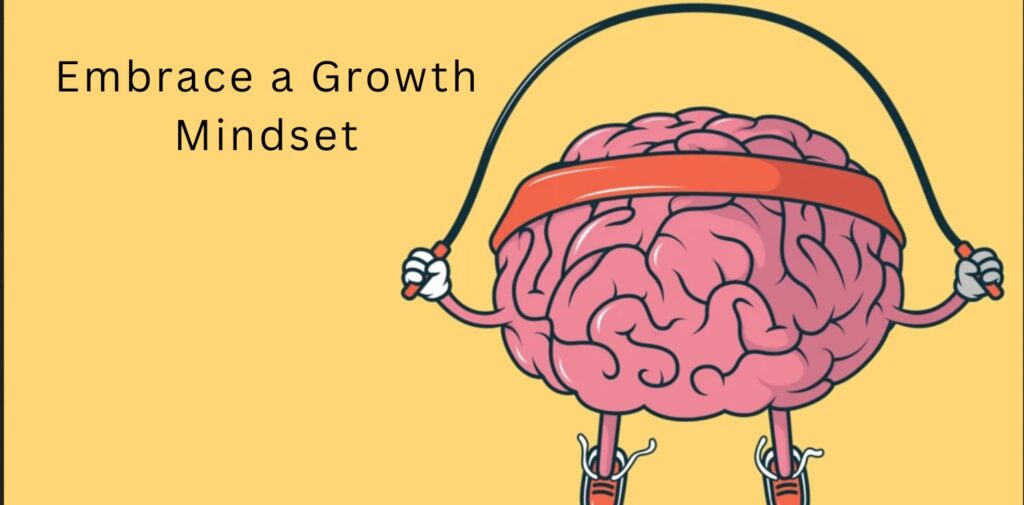
Finally, one of the best ways to handle poor performance is to embrace a growth mindset. This concept, popularized by psychologist Carol Dweck, suggests that abilities and intelligence can be developed through dedication and hard work. Instead of seeing your current performance as a fixed point, view it as part of a journey toward improvement.
A growth mindset encourages you to see challenges as opportunities to learn rather than obstacles to your success. It helps you approach problems with curiosity and resilience, knowing that you can improve over time with consistent effort. When you believe in your ability to grow, setbacks become less intimidating, and you are more likely to push through them.
Conclusion
Dealing with poor performance is a normal part of life, but it doesn’t have to define you. By understanding the reasons behind your challenges, being kind to yourself, setting achievable goals, seeking support, taking care of your health, learning from your experiences, and embracing a growth mindset, you can turn setbacks into valuable learning experiences.
Remember, success is not always about being perfect; it’s about persistence and resilience. With the right mindset and approach, you can overcome poor performance and achieve greater success in the future. Whether you’re facing a tough time at work, school, or in personal life, know that you have the ability to bounce back stronger than before. Keep going, and you’ll see improvement with time.