

When we talk about job satisfaction, one of the most important factors is salary. Every employee wants to be paid fairly for the work they do. But how do companies decide how much to pay someone? Is there a process behind it? The answer is yes, and the Human Resources (HR) department plays a major role in ensuring fair compensation. This article will explain in simple words how HR ensures fair compensation that every employee is paid fairly and how this process works, especially in the Indian context.
Understanding Fair Compensation
Fair compensation means paying employees a salary that matches their skills, experience, job responsibilities, and market standards. It’s not just about the number on your salary slip; it also includes bonuses, incentives, benefits, and other allowances. HR ensures that the payment system is transparent and based on logic, not on favoritism or guesswork.
In India, where the job market is vast and diverse, fair compensation is even more important because there are large differences in pay across sectors, cities, and companies. HR professionals follow certain rules, surveys, and strategies to keep the pay structure balanced and just.

Role of Job Evaluation in Salary Decisions
One of the first things HR does is a job evaluation. This means studying and analyzing the job role to understand how important it is to the company. For example, a software developer and a customer support executive have different kinds of responsibilities, skills, and impact on the business. HR uses job evaluation methods like point factor, ranking, and classification to compare different roles.
Once HR understands the value of each job, it becomes easier to decide a fair pay range for that position. This ensures that two people doing similar work are not paid very differently, which can lead to dissatisfaction.
Market Research and Salary Benchmarking
HR does not decide salaries in isolation. They study what other companies are paying for similar roles. This is called salary benchmarking. HR collects data from salary surveys, industry reports, recruitment consultants, and online platforms like Glassdoor, LinkedIn, and Naukri.
For example, if most companies in Bangalore are paying ₹6-8 lakhs per annum for a data analyst with 2-3 years of experience, HR will use this range as a reference. This helps the company stay competitive in the job market. If a company offers too little, good candidates won’t accept the offer. If they offer too much, it could affect the company’s budget.
Benchmarking also helps in adjusting salaries according to locations. A person working in Mumbai may get paid more than someone in Indore for the same role because of the cost of living difference.
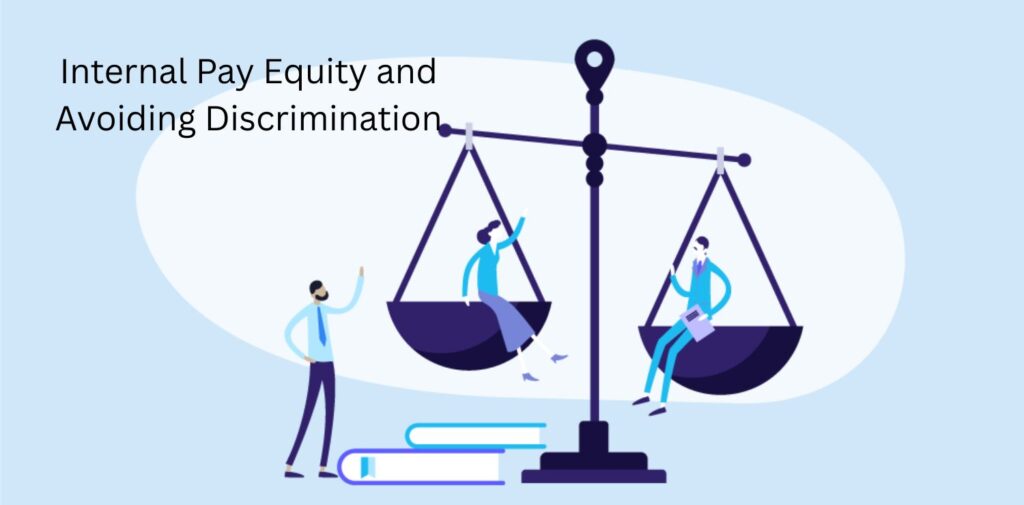
Internal Pay Equity and Avoiding Discrimination
Fair compensation also means maintaining internal pay equity. This means making sure employees within the same organization, doing similar work, are paid fairly in comparison to each other.
For instance, if two sales managers in the same company have the same experience and handle similar regions, their pay should be nearly equal. If one is earning much more without any valid reason, it could create conflict and reduce team morale.
HR regularly audits internal salaries to check for any unfair pay gaps. They also ensure that there is no discrimination based on gender, religion, caste, or region. In India, where diversity is vast, avoiding such biases is critical.
Many companies have started using software and AI tools to monitor salary fairness and flag any irregularities.
Performance-Based Pay Structure
HR also connects compensation with employee performance. This means the better you perform, the more you earn. This includes bonuses, incentives, salary hikes, and promotions.
Performance appraisals are conducted once or twice a year where managers review your work and rate it. Based on this feedback, HR decides if you should get a salary increase or incentive.
This system motivates employees to give their best. But to ensure fairness, HR trains managers to conduct unbiased appraisals. They also set clear goals and KPIs (Key Performance Indicators) so that every employee knows what is expected.
In India, where job security and career growth are very important to people, a fair and transparent performance-based pay system builds trust between the employee and the organization.
Legal Compliance and Labour Laws
HR also ensures that all compensation practices follow the legal rules set by the Indian government. There are many labour laws that talk about minimum wages, equal pay, overtime payment, bonus, and provident fund.
For example, the Minimum Wages Act makes it compulsory for employers to pay at least a certain amount to workers depending on the state and type of work. The Equal Remuneration Act ensures that men and women are paid equally for the same job.
HR stays updated with these laws and ensures that the company is not breaking any rule. They also prepare documents like offer letters, salary slips, and employment contracts that clearly mention pay structure and benefits.
This legal protection is especially important for workers in sectors like manufacturing, retail, construction, and gig economy, where chances of exploitation are high.

Transparency and Communication
Another key role of HR is to keep everything transparent. Employees should know how their salary is calculated, what deductions are made, and how they can grow in their pay scale.
Many companies today share compensation policies openly with their staff. They provide detailed salary breakup, explain performance appraisal criteria, and even organize one-on-one sessions where employees can ask questions.
In India, where discussing salary was once considered a taboo, this change in culture is helping people become more aware and confident about their rights.
Also, HR ensures that there is a grievance redressal system. If any employee feels they are not being paid fairly, they can raise a concern and HR will investigate it properly.
Final Thoughts: Why Fair Compensation Matters
Fair compensation is not just good for employees; it is also good for the company. When people feel they are paid fairly, they are more loyal, motivated, and productive. It reduces attrition, improves the company’s image, and builds a positive work culture.
In India, where inflation, unemployment, and skill gaps are ongoing issues, having a fair compensation system gives employees security and satisfaction. HR professionals play a very important role in designing and managing this system.
If you are an employee, never hesitate to ask questions about your pay or check if it matches the market standards. And if you are an employer or HR professional, remember that fair compensation is not just a business need but also a moral responsibility.
By ensuring fair compensation, HR is not just managing salaries – they are building trust, fairness, and a better future for everyone in the workplace.