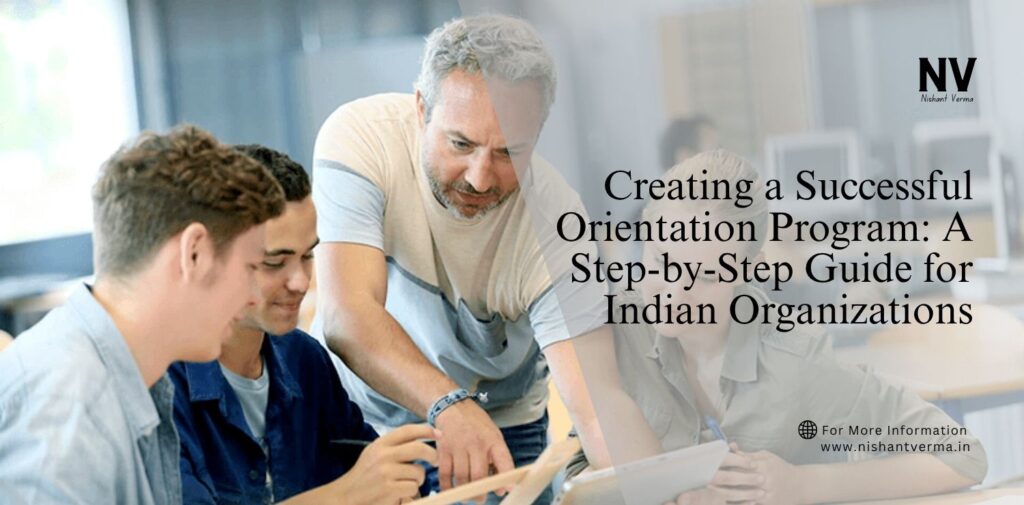
Starting a new job is like entering a new world. Everything is unfamiliar – the people, the rules, the work environment, and sometimes even the language or culture. A well-structured orientation program can help new employees feel welcome, reduce their anxiety, and get them ready to contribute effectively. In the Indian context, where diversity in culture, language, and educational background is high, an orientation program must be thoughtfully designed.
If you are an HR professional, business owner, school principal, or manager, this guide will walk you through building an effective orientation program that meets the needs of the Indian workforce. Whether you’re in a corporate office in Mumbai, a startup in Bangalore, or an NGO in a rural area, these steps will help you create an onboarding experience that is informative, engaging, and impactful.
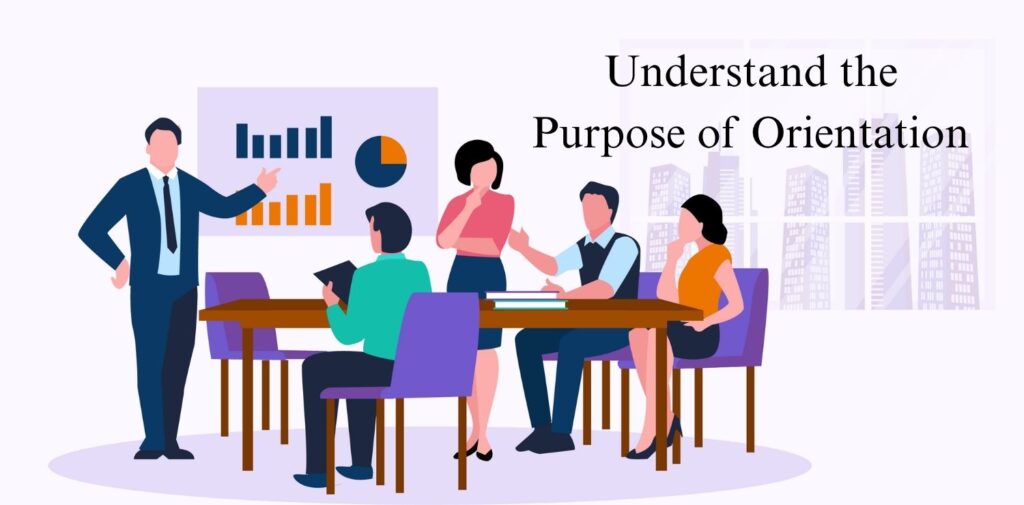
Understand the Purpose of Orientation
Before you start building an orientation program, it’s important to understand why it matters. Orientation is not just about introducing employees to policies or giving them a tour of the office. It’s about making them feel part of a team. A good orientation sets the tone for the employee’s entire journey in your organization.
In India, many employees may come from different states, with different languages, customs, and professional etiquette. Orientation helps bridge these gaps and makes the transition smoother.
The key purposes of orientation include:
- Helping employees understand the company’s mission, vision, and values.
- Explaining job roles and performance expectations.
- Familiarizing them with company culture and workplace behavior.
- Introducing them to team members and managers.
- Ensuring legal and policy-related compliance.
Plan the Orientation Timeline
One of the most common mistakes organizations make is treating orientation as a one-day event. Effective orientation is a process, not a one-time session. The ideal timeline may range from three days to a few weeks, depending on the complexity of the job and the size of the organization.
Here’s a suggested timeline:
- Day 1: Welcome session, HR policies, paperwork, and office tour.
- Days 2-3: Role-specific training, introduction to tools and technology, meeting with mentors.
- Week 2 onwards: On-the-job training, regular check-ins, and performance discussions.
For remote employees or those in tier-2 and tier-3 cities, consider digital onboarding with videos, virtual meetings, and interactive learning sessions.
Design the Content and Structure
Once you’ve planned the timeline, it’s time to develop the actual content. Your content should be easy to understand and tailored to your audience. In India, you may have employees from various educational backgrounds and language proficiencies. Therefore, keep the language simple and use visuals, examples, and stories wherever possible.
Here are some elements your orientation content should include:
- Welcome and introduction: A warm welcome video or speech from the leadership, introducing the organization’s journey and achievements.
- Company policies: Code of conduct, attendance, leave policy, dress code (especially in traditional vs. modern offices), and safety rules.
- Cultural briefing: If your workplace has a diverse team, include sessions on workplace etiquette, respecting different customs, and language support.
- Role-specific training: Provide manuals, SOPs (Standard Operating Procedures), and hands-on training related to the job.
- Technology tools: Explain how to use internal systems like email, HR portals, attendance software, and communication tools like Slack or Microsoft Teams.
- Support system: Introduce HR contacts, mentors, and peer buddies who can assist new employees during the initial days.
Include Interactive and Engaging Elements
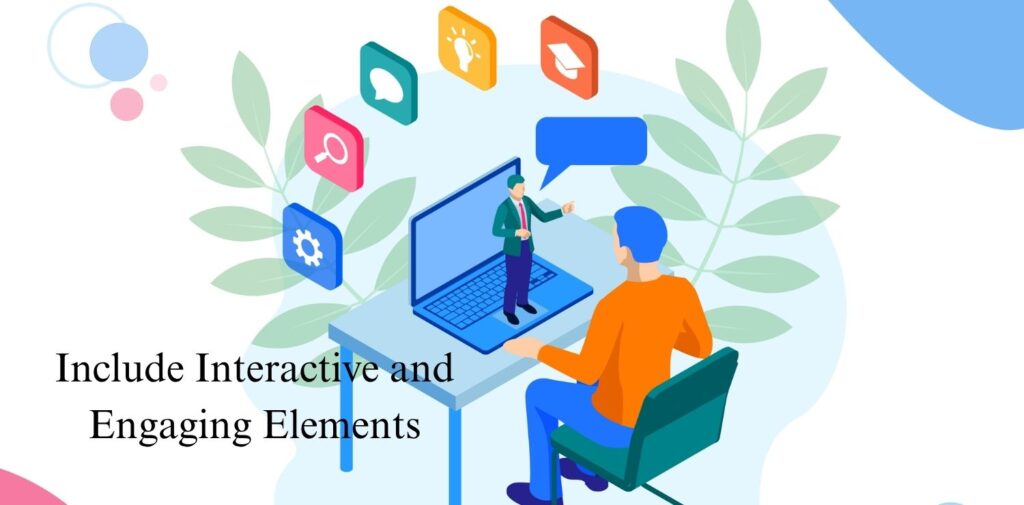
People learn better when they are engaged. Long, boring lectures or PowerPoint presentations can make new employees lose interest quickly. Especially in India, where many employees are used to traditional classroom education, a more interactive approach can be refreshing and impactful.
Add these engaging elements to your orientation:
- Ice-breaker games: Help employees feel comfortable and make friends.
- Q&A sessions: Allow employees to ask questions openly.
- Group activities: Encourage teamwork from the start.
- Real-life scenarios: Use case studies or role-plays to explain workplace situations.
If possible, include local cultural references, regional language support, and examples that resonate with Indian employees.
Follow Up and Evaluate
The orientation process doesn’t end after the first week. Regular follow-up is crucial to ensure that the new employee is settling in well. In India, where some new hires may hesitate to ask questions or express confusion, proactive communication is key.
Ways to follow up effectively:
- Schedule one-on-one check-ins after the first week, the first month, and the first quarter.
- Collect feedback through anonymous surveys or informal discussions.
- Ask team leaders to observe and report any onboarding gaps or performance issues.
- Offer refresher training sessions if required.
Also, evaluate the orientation program regularly. Take feedback from new employees and HR staff, and look for patterns in onboarding success or failure. Modify your program based on this feedback to make it better over time.
Involve the Right People
An orientation program is not just the HR departments job. It requires participation from different levels of the organization to be successful. Involve senior management, team leads, IT support, and even existing employees to create a welcoming and inclusive environment.
Who should be involved:
- HR professionals: For policy explanation and documentation.
- Line managers: To explain roles and performance goals.
- Senior leaders: To share the company’s mission and vision.
- IT team: To assist with hardware, software, and login support.
- Buddy or mentor: To provide peer support and answer informal questions.
Assign clear roles so everyone knows what they are responsible for during the onboarding process.
Conclusion: Orientation as an Investment, Not a Task
In India’s fast-evolving job market, where employee engagement and retention are growing concerns, a good orientation program is more than just a welcome ritual. It is an investment in your people and your organization’s future.
When new employees feel valued and supported from day one, they are more likely to be productive, loyal, and committed. So take the time to build a thoughtful, inclusive, and engaging orientation program that speaks to the diverse needs of the Indian workforce.
Whether you’re running a multinational company in Gurgaon or a mid-sized business in Pune, these steps will help you build a strong foundation for your team. And remember – the goal is not just to inform, but to inspire.