
When an employee decides to leave your company, it might feel like the end of a relationship. But before they go, there’s a golden opportunity to learn from their experience. This is where an exit interview becomes important. It’s a conversation between the employer (or HR department) and the outgoing employee to understand why they are leaving, what they liked or didn’t like, and how the organization can improve.
In India, where workplace culture is rapidly evolving, conducting effective exit interviews can help companies retain talent, improve employee satisfaction, and create a healthier work environment. Let’s explore how to conduct exit interviews in a way that adds value to your organization.

Why Exit Interviews Matter
Exit interviews are more than just formalities. They offer deep insights that you won’t get from regular performance reviews or feedback forms. When an employee leaves, they are more likely to be honest about their experience, especially if they are leaving on good terms. Their feedback can help you understand:
- Why employees are quitting
- What’s working well in your organization
- Where things are going wrong
- How you can improve policies, management, or work culture
In Indian companies, especially in mid-sized businesses and startups, feedback culture is still developing. Exit interviews can fill this gap and provide genuine insights to help organizations grow.
When and Where to Conduct Exit Interviews
The timing of the exit interview is important. It’s best to schedule it in the last few days of the employee’s notice period, when they are wrapping up their work and in a relaxed state of mind. Don’t conduct the interview on their last day unless it’s unavoidable, as they may be too preoccupied or emotional.
Choose a quiet and private place for the interview. This could be the HR cabin or a meeting room where the employee feels comfortable. If the employee has already left or is working remotely, a video call is also a good option.
Who Should Conduct the Interview
Ideally, the HR manager or someone from the HR team should conduct the exit interview. Avoid assigning this task to the employee’s direct supervisor unless you are confident that the relationship was very transparent and friendly. Employees may hesitate to speak openly if their manager is present.
Sometimes, it is better to have a neutral third person from another department to ensure a more unbiased and honest conversation. The goal is to make the employee feel safe and heard.
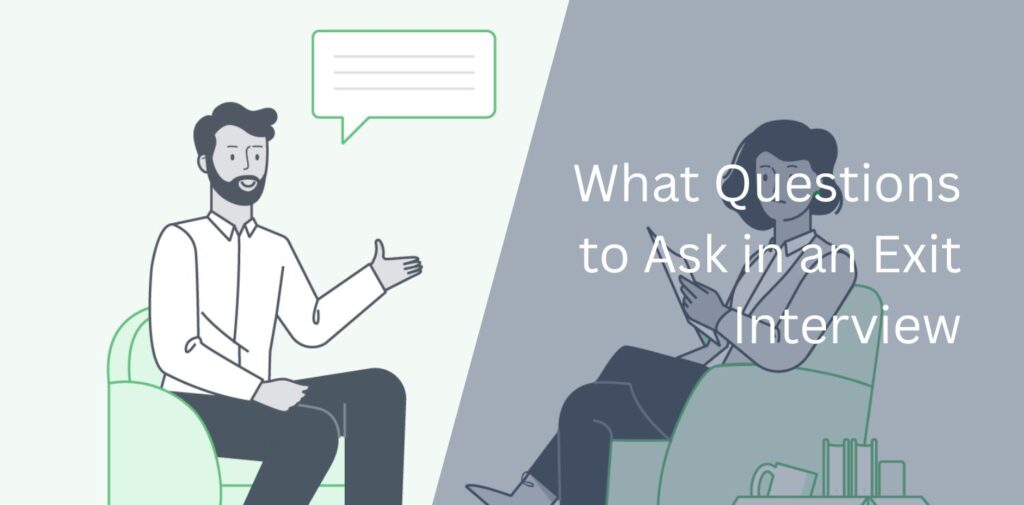
What Questions to Ask in an Exit Interview
Asking the right questions is key to a meaningful exit interview. Don’t turn it into a long list of scripted questions. Instead, keep the tone friendly and the conversation flowing naturally. Here are some important areas to cover:
- Reason for leaving: Why are you leaving the company?
- Work environment: How would you describe the company culture?
- Management: How was your relationship with your manager?
- Career growth: Did you feel there were enough opportunities for learning and promotion?
- Compensation: Was your salary and benefits package satisfactory?
- Suggestions: What can we improve to make the company better?
Here are some example questions you can ask:
- What motivated your decision to look for a new job?
- Were your job responsibilities clear and well-defined?
- Did you receive enough feedback and support from your supervisor?
- How did you find the training and development opportunities here?
- What did you enjoy most and least about working here?
- Is there anything we could have done to prevent your resignation?
- Would you recommend this company to a friend or family member?
Make sure to listen carefully to the answers without interrupting or becoming defensive. Even if the feedback is negative, take it as an opportunity to learn.
Dos and Don’ts of Exit Interviews
Like any sensitive conversation, exit interviews require tact and professionalism. Here are some dos and don’ts to keep in mind:
Dos:
- Be polite, friendly, and respectful.
- Maintain confidentiality and assure the employee that their feedback won’t affect their experience.
- Take notes during the interview or record it with the employee’s permission.
- Focus on facts, not emotions or personal judgments.
- Thank the employee for their honesty and contribution to the company.
Don’ts:
- Don’t argue or try to change the employee’s decision to leave.
- Don’t make the interview too formal or too casual.
- Don’t take criticism personally or become defensive.
- Don’t ignore the feedback received — act on it where possible.
How to Use the Information Collected
An exit interview is only useful if the information gathered is analyzed and used properly. After the interview, compile the main points and look for patterns, especially if multiple employees have given similar feedback.
For example, if several employees are leaving due to a lack of career growth, it may be time to introduce better promotion policies or training programs. If people are unhappy with their managers, it may indicate the need for leadership training.
Make a confidential report of the findings and share it with senior leadership or department heads, depending on what issues are raised. If you promised confidentiality, do not share personal details that could reveal the identity of the person.
In some Indian companies, management often overlooks or ignores exit interview feedback. This is a mistake. The information you receive from outgoing employees is valuable and can help reduce attrition, boost morale, and improve processes.

Tips for Making Exit Interviews More Effective
Here are a few extra tips to make your exit interviews truly useful:
- Create a standard process: Have a structured format or checklist to ensure consistency.
- Keep records: Maintain a file of feedback collected from exit interviews for future reference.
- Use anonymous surveys: If employees don’t feel comfortable talking, give them the option to fill a form anonymously.
- Follow up: If any serious issues are raised, follow up internally to resolve them.
- Appreciate the employee: Always end the interview on a positive note. A simple thank you, or even a farewell gift, can go a long way in maintaining goodwill.
Conclusion: A Step Towards a Better Workplace
Conducting exit interviews might seem like a small HR activity, but it can have a big impact on your organization. In India, where work culture is becoming more employee-centric, it’s important for companies to listen and learn from their people — especially when they’re leaving.
If done right, exit interviews can help you identify problem areas, improve employee retention, and build a stronger, happier workplace. So the next time someone decides to move on, don’t just say goodbye — take a few minutes to understand their journey. It might just help you improve yours.