

Communication is one of the most important skills in life. Whether it’s within a family, a workplace, between friends, or even in public services, open communication helps in building trust, avoiding misunderstandings, and improving relationships. In the Indian context, where family bonds, teamwork, and social harmony are deeply valued, open communication becomes even more essential. In this article, we will understand what open communication means, why it is important, and how we can practice it in our daily lives.
What is open communication?
Open communication means being honest and clear while expressing your thoughts, feelings, ideas, or concerns. It also means listening to others with respect and without judgment. In open communication, there is no fear or hesitation. People feel free to speak their mind and share their point of view. It builds an atmosphere where people are not afraid of criticism, and they know their voice will be heard.
In Indian families and workplaces, many times, people avoid saying things directly due to fear of hurting others or creating conflict. However, when we do not express ourselves openly, it leads to misunderstandings and emotional stress. Therefore, learning to communicate openly can improve both personal and professional relationships.

Benefits of open communication in personal life
In Indian culture, the family is seen as the foundation of society. Many people live in joint families, where different generations live under one roof. In such a setup, communication is very important to maintain harmony. When family members speak openly about their needs, opinions, and problems, it prevents conflicts and builds mutual understanding.
For example, if a young member of the family wants to choose a different career path, like photography or fashion designing, instead of traditional fields like engineering or medicine, open communication with parents can help them explain their passion and clear any doubts. Similarly, parents can express their concerns and hopes. This kind of conversation can bring both generations closer and support each other’s goals.
In marriage, open communication between husband and wife is the key to a healthy relationship. When partners freely share their thoughts, they build a strong emotional connection. Talking about daily life, finances, responsibilities, and even small issues prevents bigger problems in the future. Silence and assumptions can create distance, while honest talk can strengthen love and trust.
Importance of open communication at the workplace
In a workplace, open communication improves teamwork and productivity. When employees feel that their opinions are valued, they are more motivated to give their best. In Indian offices, especially in traditional setups, employees often hesitate to speak up in front of senior management. They fear being judged or ignored. This creates a gap between workers and management, leading to delays and confusion.
However, when companies encourage open communication, everyone feels included. Team members can share ideas, ask questions, and raise concerns without hesitation. This builds a culture of innovation and problem-solving. Leaders who listen to their teams earn respect and loyalty. In today’s competitive world, where companies need to be fast and flexible, open communication gives an edge.
Startups and modern Indian companies are now focusing more on communication skills, employee feedback, and team discussions. These practices are helping them grow faster and create better work environments.
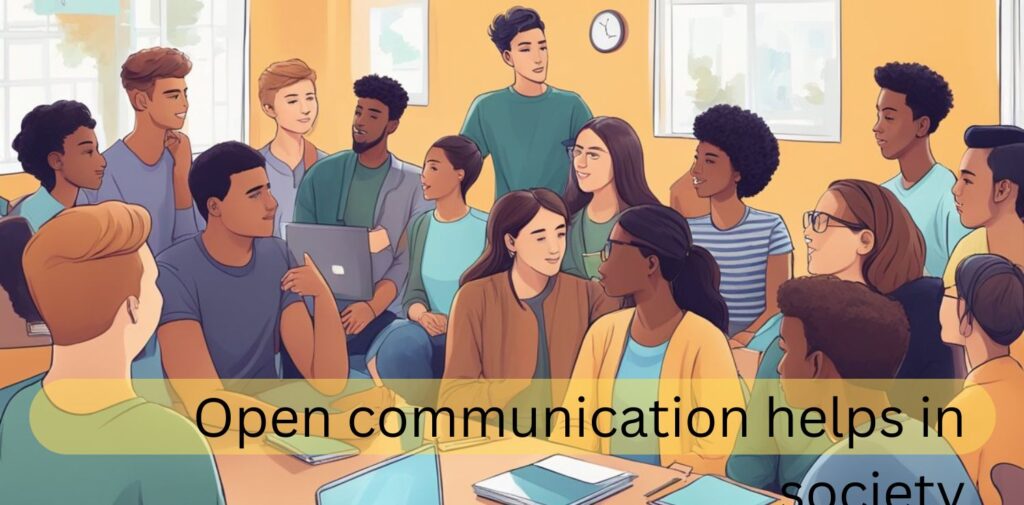
How open communication helps in society
Apart from homes and offices, open communication is also important in society. In a country like India, where we have so many languages, religions, and traditions, misunderstandings can easily happen. But when we talk to each other with respect and openness, we can overcome differences and build unity.
Many social problems arise due to lack of communication or wrong information. For example, issues like gender discrimination, caste barriers, or mental health stigma continue because people avoid open conversations. When people come forward and speak about these topics, it creates awareness and brings change.
Social media has given a platform to many Indians to speak their mind. People are now sharing their stories, opinions, and experiences openly. But we must also ensure that we communicate with kindness and facts, not with hate or rumors. Communication should build bridges, not walls.
Barriers to open communication in India
Even though open communication has many benefits, it is not always easy to practice. There are certain cultural, emotional, and social barriers that stop people from expressing themselves freely.
In many Indian households, children are taught to be quiet in front of elders. This tradition sometimes becomes a habit, and even as adults, people feel shy or guilty to share their opinions. In schools, fear of being wrong or laughed at stops many students from asking questions. At workplaces, fear of authority or job loss keeps many employees silent.
Another barrier is lack of listening. Many times, people are so focused on their own point of view that they don’t listen to others properly. Real communication is a two-way process – speaking and listening both are important.
Sometimes, communication breaks down due to assumptions or incomplete information. For example, if someone doesn’t reply to a message, we might assume they are ignoring us, when actually they may be busy or unwell. This leads to unnecessary tension. Open communication can solve such issues easily.

Ways to practice open communication in daily life
To make open communication a part of life, we need to start small and be consistent. Here are some simple ways to improve communication:
- Be honest but respectful. Speak the truth, but with kind words. Avoid blaming or attacking others.
- Listen actively. Pay full attention when someone is talking. Don’t interrupt or judge. Show that you care about what they are saying.
- Ask questions. If something is not clear, ask instead of assuming. It shows interest and helps in understanding better.
- Share feelings. Don’t hide your emotions. If something is bothering you, express it calmly. This prevents emotional stress and builds trust.
- Give space. Allow others to speak and share their views, even if they are different from yours.
- Practice non-verbal communication. Your tone of voice, body language, and facial expressions also play a big role. Be gentle and approachable.
- Avoid gossip and rumors. Talk directly to the person involved instead of discussing it with others.
Conclusion
Open communication is not just about talking. It is about creating a safe space where everyone feels heard and valued. In a country like India, where diversity is our strength and relationships are at the heart of society, open communication can make our families stronger, our workplaces more efficient, and our society more united.
It requires practice, patience, and a willingness to understand others. But once we make it a habit, it improves every part of our life. In today’s fast-moving world, where everyone is busy and often stressed, the power of a simple, honest conversation can bring peace, clarity, and connection.
So, let’s take a small step today. Let’s start a conversation that matters.