

In today’s fast-paced world, maintaining a balance between work and personal life has become increasingly difficult. Many of us struggle to juggle the demands of our jobs while trying to nurture relationships and take care of ourselves. This is where the concept of work-life balance becomes crucial. But what does work-life balance really mean? How can we achieve it, especially in a country like India, where work culture is often demanding? Let’s explore this topic in detail.
What is Work-Life Balance?
Work-life balance is the state of equilibrium where a person divides their time and energy between work and other important aspects of life such as family, hobbies, social life, and personal well-being. Achieving a healthy balance doesn’t mean spending an equal amount of time on work and personal life. Instead, it means allocating your time in a way that allows you to be productive at work while also being able to enjoy your personal life and recharge.
For many Indians, work-life balance can seem like a distant dream. Work hours are long, and expectations are high, especially in fast-paced industries. Add to that the pressure of family obligations and societal expectations, and it’s easy to see why achieving work-life balance can feel overwhelming.
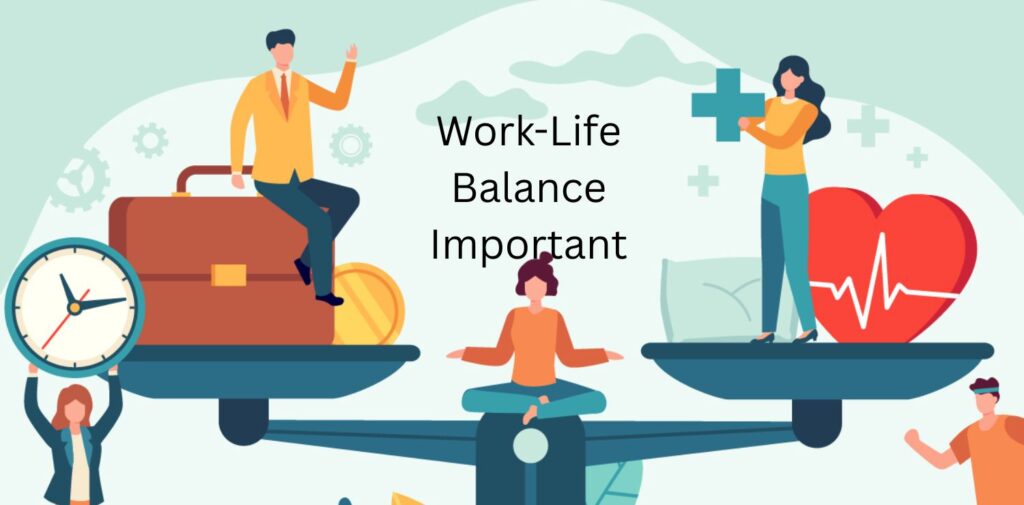
Why is Work-Life Balance Important?
A proper work-life balance is important for many reasons, and it impacts various aspects of our lives.
- Physical Health: Overworking without enough time for rest and recovery can lead to stress, exhaustion, and health problems like hypertension, diabetes, and heart disease. By maintaining a balance, you can ensure that your body stays healthy and strong.
- Mental Well-being: Continuous work pressure can lead to burnout, anxiety, and depression. When we have time to relax and engage in activities we enjoy, it helps recharge our mental health, making us more productive when we return to work.
- Family and Relationships: Spending quality time with family members and friends strengthens relationships. Without work-life balance, personal relationships can suffer, leading to feelings of isolation and loneliness.
- Increased Productivity: Ironically, working too much can reduce productivity. Fatigue and stress make it harder to focus and perform well. Taking breaks and enjoying personal time actually helps improve focus and efficiency when it’s time to work.
Challenges in Achieving Work-Life Balance in India
In India, there are certain unique challenges when it comes to achieving work-life balance. These challenges are a result of cultural, societal, and workplace norms.
- Long Working Hours: In many Indian companies, especially in tech, finance, and manufacturing sectors, employees work long hours. The concept of 9-to-5 work hours is often not a reality. Many employees work late into the evening or even on weekends to meet deadlines or targets. This leaves little time for family, rest, or self-care.
- Family Obligations: In Indian culture, family is often the center of an individual’s life. This includes not just immediate family but also extended family members, which can sometimes lead to increased pressure. Taking care of parents, in-laws, and children while managing a career can be challenging. In some cases, the family’s expectations for success can create stress, leaving little room for personal freedom.
- Social Expectations: There is often societal pressure to prioritize work and achieve career success, sometimes at the cost of personal happiness. Many individuals feel that taking time off for personal reasons or spending more time with family might be seen as a sign of weakness or lack of ambition. This pressure can make it difficult for people to find balance.
- Lack of Flexibility: Although work culture in India is changing, many workplaces still have rigid schedules. For employees, especially working mothers or caregivers, this lack of flexibility makes it hard to balance work and personal responsibilities. Many employers in India are still catching up when it comes to providing work-from-home options or flexible hours.

Tips for Achieving Work-Life Balance
While work-life balance may seem like a tough goal to achieve, there are simple yet effective strategies you can adopt to improve your balance between work and personal life.
- Set Boundaries: One of the most important steps in creating balance is to set clear boundaries between work and personal time. Avoid checking work emails or taking calls after office hours. Define when your workday begins and ends, and stick to it as much as possible. Communicate these boundaries clearly with your employer, colleagues, and family.
- Prioritize Tasks: Not all tasks are equally important. Identify what is urgent and important, and focus on completing those first. By prioritizing tasks, you avoid the stress of last-minute work and have more time for relaxation. This also helps in reducing unnecessary work pressure.
- Learn to Say No: Many of us tend to take on extra work out of fear of disappointing others or appearing lazy. But overloading yourself with tasks can affect both your work performance and personal life. Learn to say no politely when you feel you cannot take on any more work. It’s crucial to understand your limits.
- Take Breaks: Even during work hours, take short breaks to clear your mind. Go for a walk, stretch, or have a cup of tea. Regular breaks help reduce stress and improve productivity. Similarly, make sure to take regular vacations or personal days to recharge, even if it’s just for a short weekend trip.
- Embrace Technology Wisely: Technology can be both a blessing and a curse when it comes to work-life balance. While it allows you to be more productive and stay connected, it can also make it harder to disconnect from work. Use technology wisely by scheduling “do not disturb” times or setting app limits for work-related messages and notifications.
- Make Time for Yourself: Personal time is essential for maintaining a healthy work-life balance. Whether it’s exercising, pursuing a hobby, or simply reading a book, find activities that bring you joy and relaxation. Remember that taking care of your mental and physical health is just as important as doing well at work.

Work-Life Balance in the Indian Context: The Future Ahead
In recent years, there has been a gradual shift in India’s work culture, especially with the rise of remote work and flexible hours. Companies are increasingly recognizing the importance of employee well-being and mental health. Some businesses now offer wellness programs, flexible work hours, and work-from-home options to help employees balance their personal and professional lives.
The younger generation is also driving this change, placing a higher value on personal time and happiness. As more people speak up about the need for work-life balance, there is hope that companies will continue to adapt to the changing needs of employees.
While the concept of work-life balance may still feel challenging for many, it’s important to remember that balance doesn’t mean perfection. Every person’s situation is different, and achieving balance is a continual process. What matters is finding what works for you and making small, consistent changes in your life to ensure that both your work and personal life thrive.
Conclusion
In conclusion, work-life balance is an essential aspect of leading a fulfilling and healthy life, especially in the fast-paced world we live in today. By setting boundaries, prioritizing tasks, and embracing self-care, individuals can better manage the demands of work while also taking care of themselves and their loved ones. While achieving perfect balance may not always be possible, striving for it is an important step towards a healthier, happier life. Remember, a well-balanced life not only makes you more productive at work but also leads to greater happiness and fulfillment in all areas of life.