
The role of Human Resources (HR) has always been crucial in any organization, acting as the bridge between employees and management. But as we move forward into a rapidly changing world, the role of HR is evolving, becoming more dynamic, strategic, and technology-driven. In India, with its diverse workforce, rapidly growing economy, and increasing emphasis on technology, the future role of HR is a subject of great importance. This article explores how to the role of HR will evolve in the workplace, particularly in the Indian context, and why it is essential for organizations to understand these changes.
The Shift from Administrative to Strategic Functions
Traditionally, HR departments were viewed as the ones responsible for hiring, firing, payroll, and other administrative tasks. While these functions are still important, HR’s role is increasingly shifting toward being a strategic partner in the growth and development of the organization. In the future role of HR will not only manage the workforce but also play an active role in shaping the company’s culture, vision, and overall business strategy. The focus will be on aligning the goals of the workforce with the objectives of the business.
In India, where businesses are expanding rapidly and new sectors are emerging, HR professionals will need to collaborate with leadership to create organizational strategies that foster growth and innovation. HR will need to use data to understand employee needs and organizational gaps, which can be used to build long-term strategies. For example, using people analytics, HR can determine the right talent mix for the company or identify skill gaps that need to be filled.
Adapting to Technological Advancements
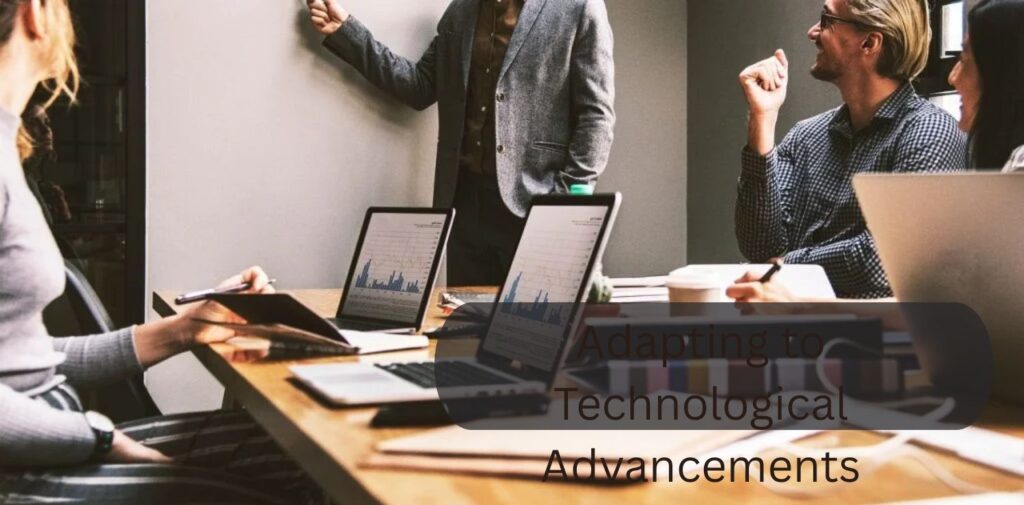
One of the most significant changes affecting HR today is the rapid advancement of technology. Automation, artificial intelligence (AI), machine learning, and big data are transforming how HR departments operate. These technologies will play a major role in streamlining HR functions such as recruitment, performance management, and employee engagement.
In the Indian context, where businesses are increasingly embracing digital tools, HR departments will need to incorporate technologies to manage and optimize their workforce. AI-powered tools can help in talent acquisition by screening resumes and identifying the best candidates based on predefined criteria. HR can also use data analytics to track employee performance, engagement levels, and overall job satisfaction.
Role of HR will use AI-driven platforms for continuous feedback and performance appraisals, reducing the dependency on manual processes. Chatbots may handle routine queries regarding policies, leave balances, and other administrative concerns, freeing up HR professionals to focus on more complex tasks. These advancements will not only make HR processes more efficient but also improve the overall employee experience.
Emphasizing Employee Well-being and Work-Life Balance
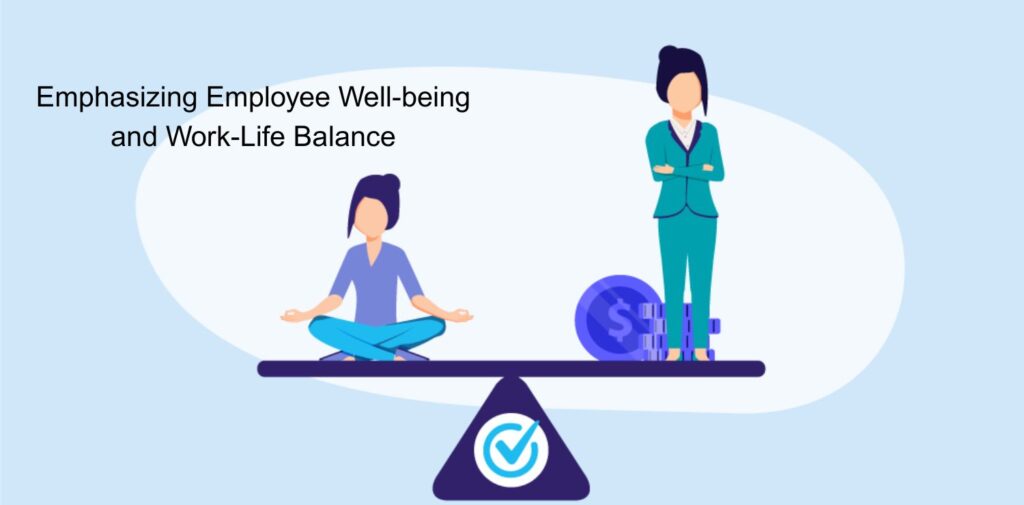
In recent years, there has been a growing emphasis on employee well-being and mental health. The COVID-19 pandemic further highlighted the importance of maintaining work-life balance and ensuring that employees are supported, both professionally and personally. In the future, HR will play a critical role in promoting employee well-being by implementing policies that focus on work-life balance, mental health, and overall job satisfaction.
In India, where work culture can often be demanding, HR professionals will need to create environments that prioritize flexibility and holistic care. For instance, companies may introduce more flexible working hours, remote work options, and mental health support systems. HR will be responsible for educating employees about the importance of mental health and providing resources, such as counseling services, to help employees manage stress and burnout.
In addition, HR will need to design policies that support work-life integration, allowing employees to maintain a balance between their personal and professional lives. HR will also encourage leadership to foster a culture of inclusivity and empathy, which will contribute to a positive work environment.
Diversity and Inclusion
India is known for its cultural diversity, and workplaces are increasingly becoming a melting pot of different backgrounds, experiences, and perspectives. As businesses expand globally and hire talent from various regions, HR will be responsible for promoting diversity and inclusion in the workplace. This goes beyond just meeting legal requirements or filling quotas—it’s about creating an environment where everyone feels valued, respected, and empowered.
In the future, HR will lead initiatives aimed at improving diversity in hiring, ensuring equal opportunities for people from all walks of life. HR departments will also be tasked with providing training on cultural awareness and inclusivity. This could involve developing policies to ensure that gender, caste, or religious biases do not impact decision-making in recruitment, promotions, or daily operations.
Furthermore, HR will be responsible for implementing mentorship and career development programs that ensure underrepresented groups have the support they need to advance in their careers. These initiatives will be crucial in creating more equitable and inclusive work environments.
Embracing Continuous Learning and Development
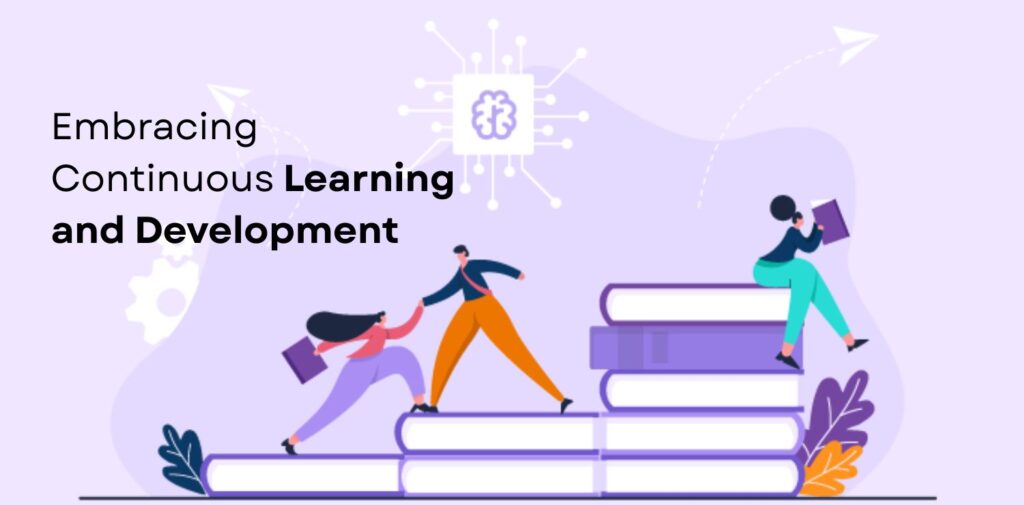
As the workplace continues to evolve, so too must the skills of the employees. The future of HR will be centered around creating continuous learning and development (L&D) opportunities for employees at all levels. In an era where technology and market trends change rapidly, HR will need to ensure that employees are constantly upgrading their skills to stay relevant in the workforce.
In India, where the skill gap is a common challenge, HR will be responsible for designing training programs that equip employees with the necessary skills for the future. This may include technical skills, soft skills, leadership training, and industry-specific knowledge. Organizations will increasingly focus on building a culture of lifelong learning, where employees are encouraged to upskill themselves regularly.
HR departments will collaborate with learning platforms, universities, and industry experts to provide employees with access to a wide range of training programs. They will also use tools like learning management systems (LMS) to track progress and offer personalized learning paths for employees based on their career aspirations and current skill levels.
Conclusion: Growing Impact on the Future Role of HR
The future role of HR in the workplace will go beyond the traditional scope of managing payroll and benefits. HR will become a central driver of business strategy, employee engagement, and organizational growth. As businesses in India continue to adapt to technological advancements, embrace diversity, and prioritize employee well-being, HR professionals will play an essential role in shaping the future of work.
By leveraging technology, promoting work-life balance, and fostering an inclusive culture, HR can ensure that employees are not only productive but also satisfied and motivated. The changing landscape of the workplace presents a unique opportunity for HR to make a lasting impact on the success of organizations and the well-being of their employees.
In conclusion, HR is no longer just a support function but a key player in the future of work. Companies that recognize the evolving role of HR and invest in its growth will be better equipped to succeed in an ever-changing business environment. For HR professionals, embracing this transformation will be key to staying relevant and impactful in the workplace of tomorrow.