

Time is one of the most valuable resources in our lives. Everyone gets the same 24 hours in a day, but how we use those hours makes all the difference. Especially in a fast-moving country like India, where life is a blend of work, studies, family, and social responsibilities, manage time effectively become essential. Whether you are a student preparing for exams, a working professional meeting deadlines, a homemaker balancing household chores, or a retired person wanting to make the most of your day, this article will give you practical and simple ways to manage your time better.
Understand the value of time
The first step to managing time is to realize its importance. Time once gone never comes back. Many of us waste hours scrolling through social media, watching unnecessary videos, or simply delaying work thinking we have enough time. But when deadlines approach or tasks pile up, we feel stressed and overwhelmed.
In India, we often hear the phrase “Kal kare so aaj kar” – meaning what you plan to do tomorrow, do it today. This saying holds deep wisdom. If we Manage Time Effectively and using it wisely, we can achieve more and reduce stress in our daily life. Whether it’s studying for an exam, completing office work, or spending quality time with family, everything requires proper time planning.
Make a simple daily schedule
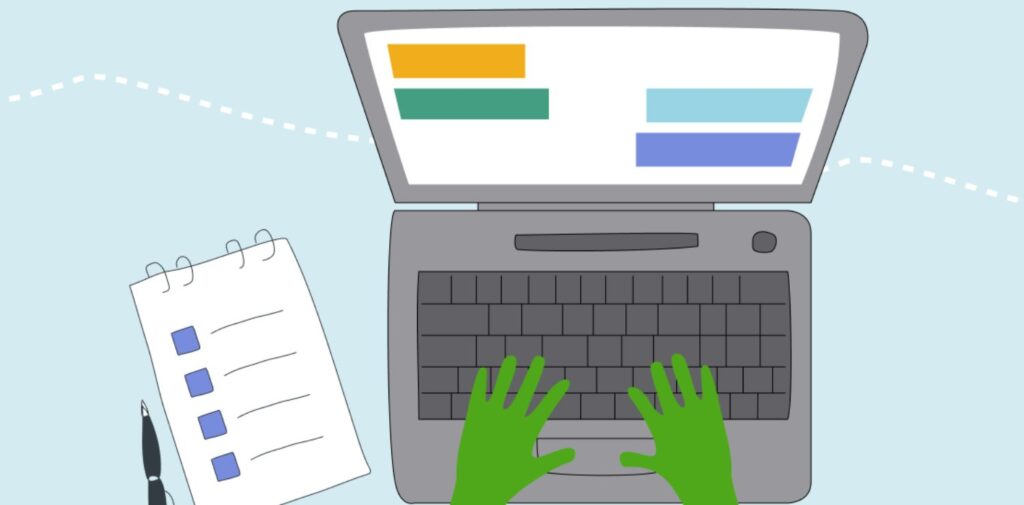
The best way to Manage Time Effectively is to create a daily routine. It doesn’t have to be complicated. Just list the things you want to do in a day and assign a rough time to each activity. For example, you can wake up at 6 am, exercise till 6:30, take a bath and get ready by 7, and so on. Try to include time for meals, work, rest, and even entertainment.
In Indian households, days can be unpredictable due to unexpected guests, power cuts, or family needs. So keep your schedule flexible but try to follow it as much as possible. A routine brings discipline, and over time it becomes a habit. Students can fix a study timetable, and office-goers can use planners or apps to track meetings and tasks.
Prioritize your tasks wisely
Not all tasks are equally important. Some are urgent and must be done immediately, while others can wait. Learning to identify what needs your attention first is the key to good time management.
You can divide your tasks into four categories:
- Important and urgent – do them right away.
- Important but not urgent – plan when to do them.
- Not important but urgent – try to delegate if possible.
- Not important and not urgent – avoid or do last.
For example, if you have an exam tomorrow (important and urgent), you should study first before checking WhatsApp messages (not important, not urgent). Housewives may need to finish cooking (important and urgent) before watching a TV serial (not urgent).
This technique helps you stay focused and prevents last-minute rush and panic.
Avoid distractions and time-wasters
In today’s digital world, distractions are everywhere. Most of us lose a lot of time due to mobile phones, social media, TV, or just unnecessary chatting. In Indian culture, it’s common for people to drop in without notice or spend hours gossiping, which can eat into your productive time.
You don’t need to avoid people or entertainment, but you can set limits. For example, decide to check your phone only once every hour or avoid long chats when you are working or studying. Let your family or roommates know when you don’t want to be disturbed. Use tools like silent mode or apps that block distracting websites for a few hours.
By saving even one hour a day from distractions, you can use that time to read a book, learn a new skill, or finish an important task.

Set small and clear goals
Often we feel overwhelmed because we don’t know where to start. Whether you are trying to prepare for a competitive exam, finish a big office project, or even clean your house, the task may look huge. The trick is to break it into smaller, doable parts.
For example, instead of saying “I want to finish the whole syllabus,” say “Today I will finish one chapter.” Instead of saying “I need to prepare a report,” say “I will collect the data today and write the draft tomorrow.”
Small goals are easier to achieve, and they keep you motivated. Also, when you tick off a task from your list, it gives you a sense of accomplishment, which boosts your confidence and energy.
Take breaks and care for your health
Many people think time management means working non-stop, but that’s not true. In fact, regular breaks help improve focus and prevent burnout. In India, people often push themselves too hard, especially during exams or office deadlines, leading to stress, lack of sleep, and even health issues.
Whether you are studying or working, take a 5-10 minute break every hour. Walk around, stretch, drink water, or simply relax your eyes. Also, make sure to get enough sleep, eat on time, and exercise regularly. A healthy body and fresh mind helps you to manage time effectively.
Use tools and apps to stay organized
Technology can also help you manage your time better. There are many free and easy-to-use apps available that you can use to make to-do lists, set reminders, or track your progress. Some popular ones include Google Calendar, Todoist, Notion, and Trello.
Even if you don’t like apps, you can use a simple notebook or diary to jot down your plans. In India, many students and working professionals still prefer writing by hand, and that’s perfectly fine. The goal is to stay organized and not forget important tasks.

Be realistic and don’t try to do everything
One common mistake people make is trying to do too much in one day. It’s good to be ambitious, but you should also be practical. Don’t compare your schedule with others. Everyone has a different life and energy level.
Accept that some days will not go as planned. You may fall sick, get caught in traffic, or have to attend a family function. Don’t feel guilty if you couldn’t finish everything. Just focus on doing your best and improving day by day.
In Indian families, responsibilities often come suddenly – like taking a relative to the doctor or attending a pooja. So keep some buffer time effectively in your schedule and adjust as needed.
Conclusion: Time is life – Manage Time Effectively
Time management is not about being busy all the time. It’s about using your time in a way that brings you closer to your goals, keeps you peaceful, and allows you to enjoy life. By making small changes in your daily routine, avoiding distractions, setting clear goals, and taking care of your health, you can manage time effectively.
In a country like India where life is colorful, chaotic, and full of responsibilities, good time management can give you an edge. Whether you’re a student dreaming of success, a professional trying to grow, or a homemaker handling everything with grace, remember – your time is your power. Don’t waste it.