
Every person makes mistakes. It doesn’t matter if you are a student, a working professional, a homemaker, or even a successful businessperson. Mistakes are natural and unavoidable. In fact, they are a part of learning and growing in life. Sometimes in our Indian society, making a mistake is seen as a shame or failure. People may criticize or laugh, which makes us feel embarrassed. But we need to change this thinking. Mistakes should not be seen as something negative but as a powerful teacher.
When we understand why mistakes happen, we can take the first step toward learning from them. Many times, mistakes occur because of lack of knowledge, overconfidence, pressure, or simply not paying enough attention. But instead of regretting them, we should look at them as an opportunity to understand what went wrong and how to improve next time.
Accepting Your Mistakes is the First Step Toward Growth
In many cases, people try to hide their mistakes or blame others. But if you really want to learn from your mistake, the most important thing is to accept it honestly. This requires courage and maturity. Accepting your mistake does not mean you are weak. It means you are strong enough to take responsibility and move forward.
For example, if a student performs poorly in exams, instead of blaming the teacher or bad luck, it is better to reflect and see if enough preparation was done. Similarly, in the workplace, if a project fails due to some decisions you made, take time to accept your part and learn from it.
In Indian families, sometimes elders expect perfection from children. But it’s okay to fail sometimes. If parents and teachers also support children by encouraging them to learn from failure instead of punishing them, it creates a healthy environment for learning.
Look at Your Mistakes as Lessons, Not Failures
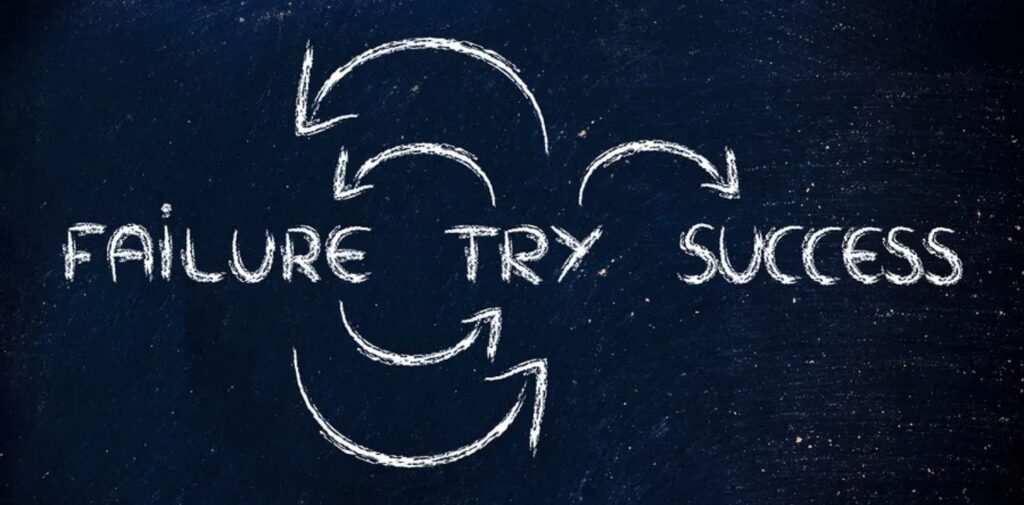
The most successful people in the world have failed many times. What made them different is that they learned from each mistake and used it as a stepping stone to success. In India, we often hear stories of people like Dr. A.P.J. Abdul Kalam, who faced many rejections and failures before becoming a scientist and the President of India. These stories inspire us to never give up.
The key is to treat your mistake as a lesson. Ask yourself – What did I learn from this? What will I do differently next time? When you start looking at your mistakes in this way, you will become wiser, stronger, and more confident.
Let’s take a small example. Suppose you invested money in a business and it didn’t work out. Instead of saying “I failed,” try to analyze – Did I plan properly? Did I study the market well? Was the timing right? These lessons will help you do better in your next attempt.
Take Action to Avoid Repeating the Same Mistakes
Learning from mistakes doesn’t end with just realizing what went wrong. The next important step is to make sure you don’t repeat them. This requires action and discipline. If you keep making the same mistake again and again, then you’re not really learning.
Let’s say you always reach office or college late. Every time you promise yourself to change, but the next day it happens again. To truly learn, you have to find the reason behind it – Are you sleeping late? Is your alarm not working? Are you wasting time in the morning? Once you find the reason, take real action. Set multiple alarms, sleep on time, or prepare your bag and clothes the night before.
In Indian culture, many people believe in fate or destiny. While these beliefs have their own place, we must also believe in self-effort and responsibility. Learning from mistakes is all about making conscious changes in your habits and decisions.
Forgive Yourself and Move On
One big problem people face is that they keep feeling guilty about their past mistakes. They keep thinking, “I shouldn’t have done that,” or “What if I had made a better choice?” This type of thinking affects mental peace and stops you from moving forward.
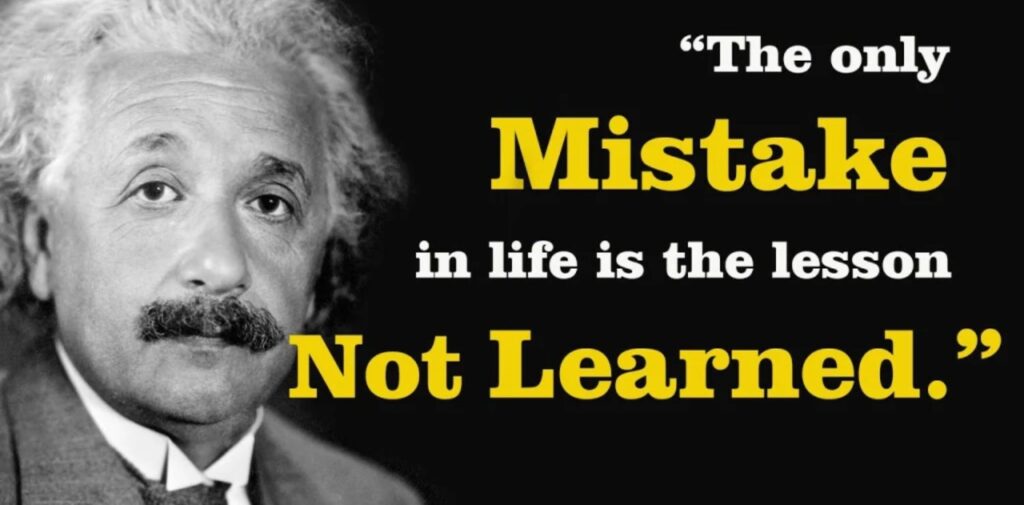
Forgiving yourself is as important as learning the lesson. Everyone makes mistakes, but it doesn’t mean you are a bad person. Give yourself the chance to grow. Just like we forgive others, we should also learn to forgive ourselves. Otherwise, we carry unnecessary emotional baggage, which makes life heavier.
If you made a mistake that hurt someone, apologize and make it right. But after that, move on. Don’t let one mistake define your entire life. Life is too short to waste on regrets.
Use Your Experience to Help Others
When you learn something valuable from your own mistake, it becomes your experience. And this experience can help others avoid similar problems. In India, the tradition of sharing wisdom through stories and personal experiences is very strong. Our grandparents and elders often tell us stories with morals – that’s their way of teaching us through their life lessons.
You can also do the same. If you’re a student, help your juniors avoid the mistakes you made. If you’re working, guide your teammates. If you’re a parent, don’t hide your failures from your children – let them know how you overcame them. When we share our learnings, we not only help others but also remind ourselves to stay aware and humble.
This also creates a positive environment where people don’t feel ashamed of making mistakes. Instead, they feel supported and encouraged to improve.
Final Thoughts: Make Mistakes Your Best Teacher
In the end, the most important thing to remember is that mistakes are not your enemies. They are your best teachers. You may not enjoy making them, but they teach you lessons that no book or lecture can. From small daily errors to major life decisions, every mistake has something to teach.
The next time you make a mistake, don’t panic. Take a deep breath, accept it, understand it, learn from it, take action to correct it, and then move forward. That is how you grow.
As the famous Indian saying goes, “गलती इंसान से ही होती है।” (Mistakes are made by humans.) What matters is not the mistake itself, but what you do after making it. So, instead of fearing mistakes, start embracing them and turn them into opportunities to build a better version of yourself.