
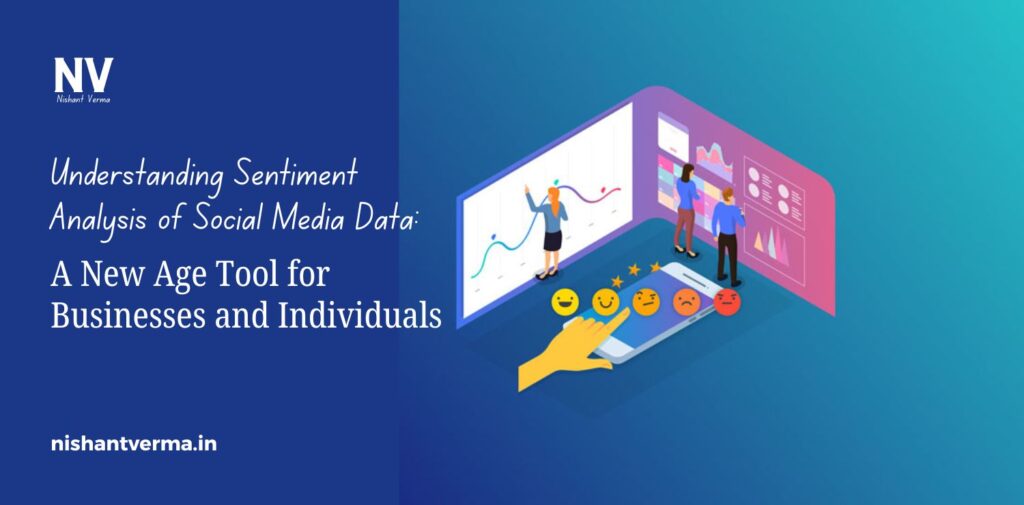
In today’s digital world, social media has become more than just a place to share photos or connect with friends. It is a powerful platform where people express their thoughts, feelings, and opinions about anything and everything – from politics to products. With so much data being generated every second, how can we make sense of it all? That’s where sentiment analysis comes in.
Sentiment analysis is a process of identifying the emotional tone behind a body of text. In simple terms, it means figuring out whether the people are talking positively, negatively, or neutrally about something. For the Indian audience, where social media platforms like WhatsApp, Instagram, Twitter (X), Facebook, and YouTube are widely used, sentiment analysis can provide valuable insights. Whether you are a business owner, a student, a marketer, or just a curious learner, understanding this concept can help you make smarter decisions.
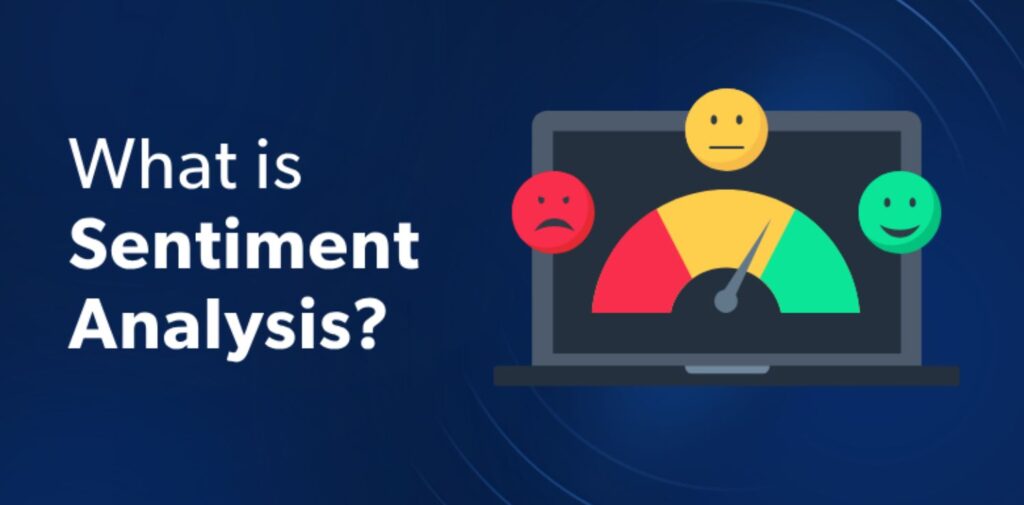
What is Sentiment Analysis?
Imagine you have a new product, and people are commenting about it on Instagram or Twitter. Some say, “This is amazing!”, while others write, “Total waste of money.” Instead of reading every comment manually, sentiment analysis helps you automatically figure out what people feel. It uses natural language processing (NLP), machine learning, and text analysis to detect emotions like happiness, anger, sadness, satisfaction, or frustration in written content.
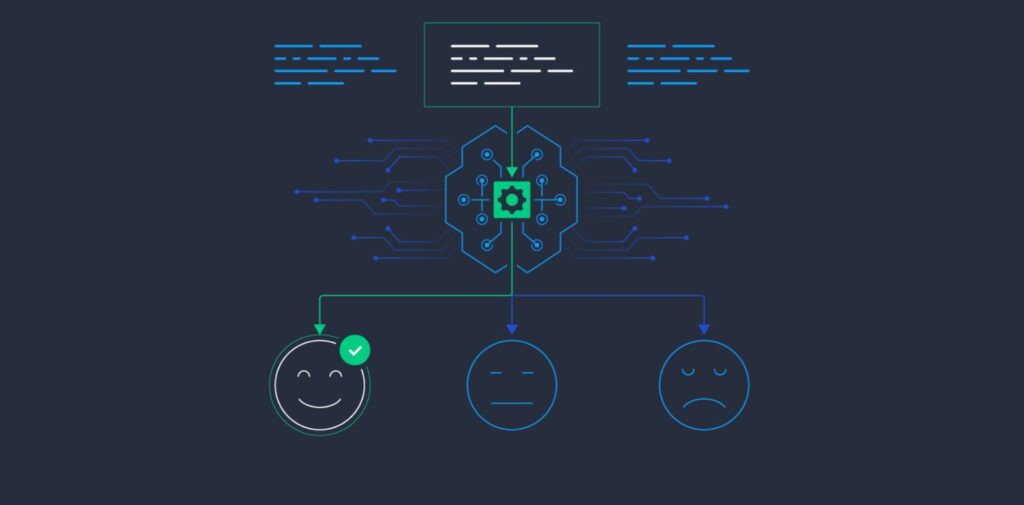
This technology classifies posts, tweets, or comments into three broad categories – positive, negative, or neutral. Some advanced systems can even detect sarcasm, mixed emotions, and specific feelings like excitement or disappointment.
Why is Sentiment Analysis Important in India?
India is one of the largest users of social media platforms, with millions of people expressing their opinions online every day. In such a diverse country with many languages, dialects, and cultural backgrounds, analyzing public opinion can be both challenging and insightful.
For businesses, sentiment analysis helps in understanding customer feedback, tracking brand reputation, and improving products or services. For political parties, it helps in understanding voter sentiment before elections. For celebrities and influencers, it shows how their followers are reacting to their content. Even the government can use it to monitor public opinion during crises like COVID-19 or major policy changes.
Here are a few real-life examples in the Indian context:
- A food delivery company like Zomato can analyze Twitter complaints to improve their delivery services.
- A Bollywood production house can track YouTube comments to know if a trailer has been well received or not.
- An e-commerce platform like Flipkart can understand customer satisfaction through reviews and feedback.
- Political analysts can track trends during elections by analyzing tweets and posts about politicians or parties.
How Does Sentiment Analysis Work?
The process of sentiment analysis involves several steps. It all starts with data collection, followed by data cleaning, analysis, and interpretation.
- Data Collection: First, data is gathered from social media platforms using APIs or scraping tools. This data includes tweets, posts, comments, hashtags, and more.
- Data Cleaning: Raw data usually contains a lot of noise – emojis, symbols, hashtags, or grammar errors. Cleaning the data means removing all this unnecessary information and keeping only the useful part.
- Text Analysis: The cleaned data is then processed using natural language processing (NLP). The software breaks down the text into words, sentences, or phrases and understands the meaning behind them.
- Sentiment Classification: Using machine learning models, the text is then classified as positive, negative, or neutral. Some models are even trained to understand Hindi and other regional languages.
- Insights and Visualization: Finally, the results are presented in the form of graphs, charts, or dashboards. This helps businesses or analysts understand the sentiment trends more easily.
Challenges in Sentiment Analysis for Indian Audience
While the technology is useful, it’s not without challenges, especially in a country as diverse as India.
- Language Diversity: India has over 22 official languages and hundreds of dialects. People often switch between languages (like Hinglish) which makes it difficult for software to understand the sentiment correctly.
- Sarcasm and Slang: Indian users often use sarcasm or local slangs in their posts. A statement like “Wah Modi ji, kya development hai!” could be sarcastic but may be interpreted as a positive sentiment by basic algorithms.
- Emoji Usage: Emojis carry emotions too. In India, emojis are widely used to express feelings, and analyzing them correctly adds another layer of complexity.
- Code-Mixed Text: Indians often write using a mix of English and regional languages, such as Hindi-English, Tamil-English, or Bengali-English. This code-mixed content is hard to analyze for sentiment without specialized tools.
Benefits of Sentiment Analysis for Different Sectors in India
Here’s how different sectors in India can benefit from sentiment analysis:
- Business and E-commerce: Helps in product improvement, customer service, and brand management. Flipkart, Amazon, and Reliance Retail can track reviews and feedback to enhance their offerings.
- Politics and Elections: Parties like BJP, Congress, or AAP can analyze public mood during election campaigns, speeches, or policy announcements.
- Bollywood and Entertainment: Film producers can measure the public’s reaction to trailers, songs, or movie releases and plan promotions accordingly.
- Education Sector: Online learning platforms like BYJU’S or Unacademy can use sentiment analysis to gather feedback from students and improve their content.
- Healthcare and Public Services: Government agencies can track people’s concerns about healthcare, public policies, or social issues, especially during emergencies.
How Can You Use Sentiment Analysis in Daily Life?
Even if you are not a business owner or a political analyst, sentiment analysis can still be useful. If you’re a content creator, you can track how your audience is reacting to your posts. If you’re a student learning data science or AI, working on a sentiment analysis project can be a great way to apply your knowledge.
You can start by using simple tools or platforms like Google Cloud Natural Language API, Microsoft Text Analytics, or open-source tools like TextBlob or VADER. For coding, Python has great libraries like NLTK, spaCy, and scikit-learn to perform sentiment analysis.

The Future of Sentiment Analysis in India
As AI and machine learning continue to grow, sentiment analysis will become more accurate and multilingual. Indian startups and researchers are already developing tools that understand regional languages better. Soon, we may see models that can understand Bhojpuri, Marathi, or Kannada tweets just like English or Hindi.
With the growth of digital India and more people expressing their views online, sentiment analysis will play a key role in shaping business strategies, political campaigns, and even social policies.
Conclusion
In a country like India, where emotions drive conversations and social media is buzzing with opinions, sentiment analysis is not just a technical tool but a necessity. Whether you are a business looking to grow, a student exploring AI, or someone trying to make sense of online discussions, sentiment analysis offers you a powerful way to understand what people truly feel. And as the technology improves, it will only become more accessible and accurate for everyone.