

Have you ever noticed that when you think positively, good things seem to happen, and when you feel negative, life seems to throw more problems at you? This is not just a coincidence. Many people believe that our thoughts shape our reality. This idea is known as the Law of Attraction.
The Law of Attraction has gained popularity in recent years, especially with books like The Secret and movies that talk about the power of the mind. But this concept is not new. In fact, its roots go back hundreds and even thousands of years. In this article, we will explore the history and origins of the Law of Attraction in a way that’s simple, easy to understand, and relevant to the Indian audience.
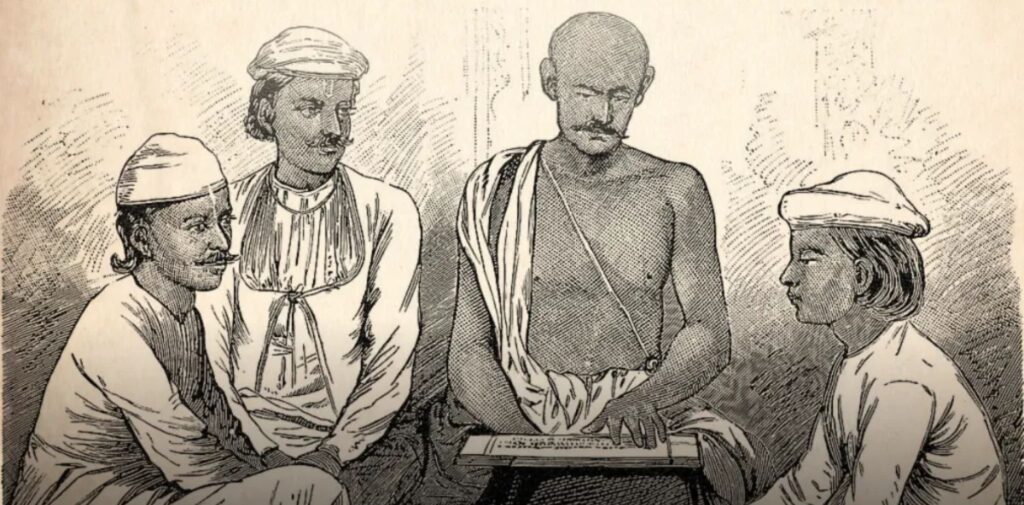
Ancient Roots of the Law of Attraction in Indian Philosophy
Many people think that the Law of Attraction is a modern Western idea, but the truth is, its core principles can be found in ancient Indian scriptures and philosophy. Our ancestors understood the power of the mind and the energy it carries.
In the Vedas and the Upanishads, there is a clear belief in the power of thoughts and intentions. The concept of karma — that our actions, thoughts, and intentions come back to us — is closely related to the Law of Attraction. In the Bhagavad Gita, Lord Krishna tells Arjuna that one’s thoughts and beliefs shape one’s actions and future.
The practice of sankalpa in Indian rituals is another example. Sankalpa means a strong intention or resolve. Before beginning a puja or spiritual practice, a person takes a sankalpa — a clear intention of what they want to achieve. This is very similar to setting a goal and focusing positive energy on it.
Also, ancient yoga and meditation practices are designed to align the body and mind with the universe, which is a key idea in the Law of Attraction. The more balanced and positive your thoughts are, the more peace and success you attract into your life.
Western Development and Modern Popularity
While India had these ideas long ago, the Western world began exploring the Law of Attraction during the 19th and 20th centuries. Philosophers and thinkers in America and Europe started to write about the power of positive thinking, self-belief, and mental energy.
One of the earliest movements in the West that embraced this idea was called the New Thought Movement. This movement believed that our thoughts could heal diseases and change our reality. Writers like Phineas Quimby, William Walker Atkinson, and later Napoleon Hill (author of Think and Grow Rich) contributed to the popularity of this concept.
In 2006, the idea of the Law of Attraction became globally famous after the release of the book and film The Secret by Rhonda Byrne. It claimed that by simply thinking positively and visualizing success, anyone could attract wealth, health, love, and happiness. Many celebrities like Oprah Winfrey and Will Smith also supported the idea, which made it even more popular.
Core Principles of the Law of Attraction
The Law of Attraction is based on a few simple principles that are easy to follow. These include:
- Like attracts like – Whatever you focus on, you bring into your life. If you think positive, you attract positive experiences. If you think negative, you attract problems.
- Your thoughts create your reality – What you believe and imagine can become real. Your mind is powerful, and it shapes your outer world.
- Gratitude attracts abundance – When you are thankful for what you have, the universe gives you more to be thankful for.
- You are the creator of your life – No matter your situation, you have the power to change it by changing your thoughts and energy.
These ideas may sound simple, but when practiced with full faith and consistency, they can bring powerful changes in one’s life.

Law of Attraction in Daily Indian Life
You may not realise it, but many of us already use the Law of Attraction in our everyday lives, even without knowing the name. For example:
- When we go to a temple and pray with full belief, we are setting an intention. This is similar to visualising a goal.
- Many Indians believe in nazar (evil eye) and the power of negative energy. This is based on the belief that thoughts and energy affect others.
- Parents often tell children to think good thoughts, avoid negative company, and speak with care — all of this reflects belief in attracting good through good energy.
In recent times, young Indians are showing more interest in topics like manifestation, vision boards, affirmations, and guided meditation. These are tools used to practice the Law of Attraction. Influencers, life coaches, and motivational speakers in India are also promoting these ideas more and more.
Practical Tips to Use the Law of Attraction
If you want to use the Law of Attraction in your own life, here are some simple steps you can follow:
- Visualise your goals clearly: Every morning or night, close your eyes and imagine the life you want. Picture it as if it’s already happening.
- Use positive affirmations: Say positive statements daily like “I am successful,” “I am healthy,” or “Money comes to me easily.” This programs your mind for success.
- Practice gratitude: Every day, write down 3 things you are thankful for. This shifts your focus to positive things in life.
- Avoid negativity: Try to stay away from negative people, news, and gossip. Keep your mind clean and focused.
- Take inspired action: While thinking positively is important, it must be supported by action. Start working toward your goals with belief and effort.

The Scientific View on the Law of Attraction
Many people ask, “Is the Law of Attraction real?” Science has mixed views. While there is no hard proof that the universe responds to our thoughts in a magical way, many psychological studies show that people who think positively, set clear goals, and believe in themselves are more likely to succeed.
This is known as the placebo effect or self-fulfilling prophecy. In simple terms, if you believe something will happen, you start acting in ways that make it happen. Your mindset becomes your greatest tool.
Also, neuroscience tells us that our brain filters information based on what we focus on. This is called the Reticular Activating System (RAS). So, when you focus on success, your brain starts noticing opportunities for success. This is how the Law of Attraction might actually work in a scientific way.
Conclusion: A Universal Truth with Indian Wisdom
The Law of Attraction is not just a modern trend. It is a timeless truth that exists in our ancient Indian culture, scriptures, and way of life. From the teachings of the Gita to the power of sankalpa, our spiritual traditions have always respected the power of the mind and intention.
In today’s world, where stress and confusion are common, using the Law of Attraction can help us stay positive, focused, and hopeful. Whether you are a student, working professional, homemaker, or entrepreneur, the Law of Attraction can bring more clarity, peace, and success to your life.
Remember, your thoughts are powerful. Use them wisely, and the universe will respond. As they say in Sanskrit, Yad bhavam, tad bhavati – “As you believe, so shall it be.”