
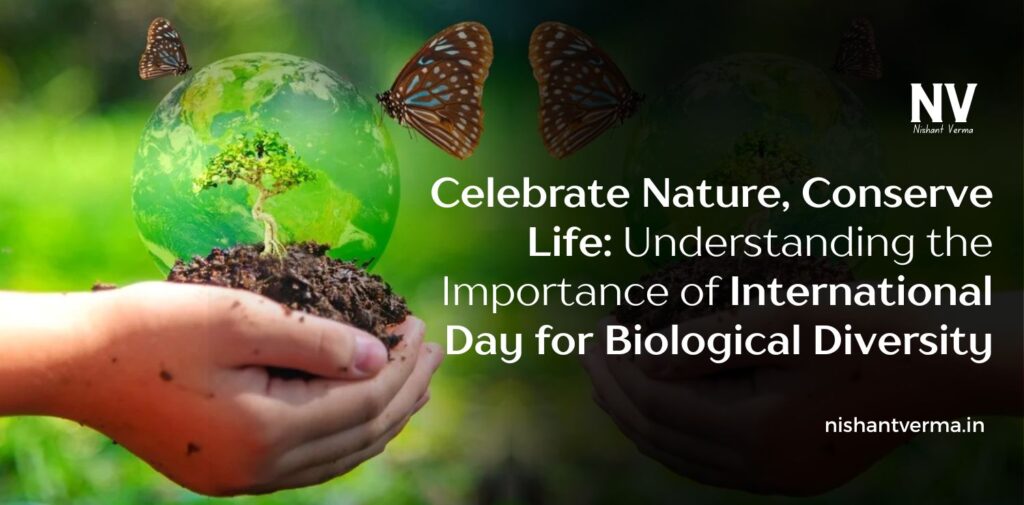
Every year on 22nd May, the world comes together to observe the International Day for Biological Diversity. This special day reminds us about the rich variety of life on Earth, including plants, animals, microorganisms, and entire ecosystems that work together to support life. For a country like India, which is blessed with vast biodiversity—from the snowy Himalayas to the tropical rainforests of the Western Ghats—this day holds great significance.
In this article, we will explore the meaning of biodiversity, its importance in our lives, the challenges it faces, and how we as Indians can take simple steps to protect it. Whether you’re a student, a working professional, a homemaker, or a senior citizen, this article will help you understand why caring for nature is caring for ourselves.
What is Biodiversity and Why Does it Matter?
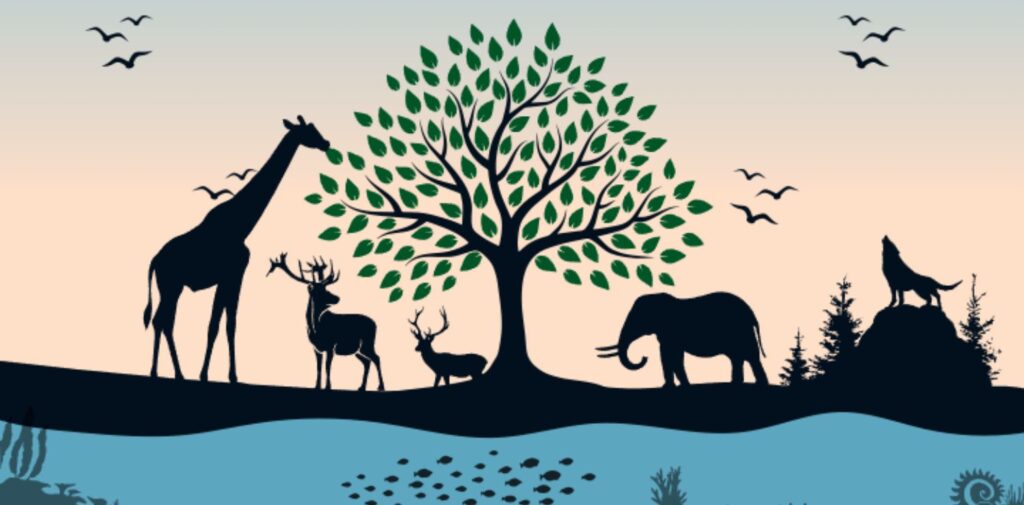
Biodiversity refers to the variety of all living organisms on Earth. It includes everything from the smallest microbes to the largest mammals, as well as the ecosystems they form. Biodiversity is not just about the number of species, but also about the genetic differences within species and the variety of ecosystems.
India is one of the 17 “megadiverse” countries in the world. With only 2.4% of the world’s land area, India accounts for about 8% of the world’s recorded species. This includes over 45,000 species of plants and 91,000 species of animals.
Why does this matter? Because biodiversity is the backbone of life. It provides us with food, clean water, medicine, clothing, and even the air we breathe. Biodiversity also helps maintain balance in nature by supporting pollination, seed dispersal, climate regulation, and controlling diseases. Without a healthy natural environment, human survival becomes difficult.
The Theme of International Day for Biological Diversity 2025
Each year, the International Day for Biological Diversity has a specific theme that focuses on a key aspect of biodiversity. The theme for 2025 is “Be Part of the Plan,” which invites people around the world to take part in creating a sustainable future for all living beings. The message is simple: Everyone can contribute in their own way—be it individuals, communities, governments, or businesses.
This theme is especially relevant for India, where rapid urbanization, deforestation, and pollution have threatened our ecosystems. Through this theme, we are encouraged to make nature-friendly choices and support policies that protect our natural heritage.
The Threats to Biodiversity in India
India’s rich biodiversity is under serious threat from various human activities. Here are some of the major challenges:
- Deforestation and Habitat Loss: Large areas of forests are being cleared for agriculture, mining, and construction. This leads to the loss of natural habitats for animals and birds.
- Pollution: Water bodies are getting polluted by industrial waste, plastics, and chemicals. Air pollution also affects plants, insects, and birds.
- Climate Change: Rising temperatures and changing rainfall patterns are affecting the natural habitats of many species. Animals and plants that cannot adapt quickly are at risk of extinction.
- Illegal Wildlife Trade: India is home to many rare species like the Bengal tiger, Indian elephant, and one-horned rhinoceros. Illegal hunting and trade of wildlife products are causing population decline in many species.
- Overuse of Natural Resources: Excessive use of water, soil, and forests without allowing them time to regenerate is damaging ecosystems.
All these problems are interconnected. If we don’t act now, we risk losing not just animals and plants but also our food security, health, and livelihoods.
India’s Efforts to Protect Biodiversity
Despite the challenges, India has made significant efforts to conserve biodiversity. Some of the important steps taken by the Indian government and various organizations include:
- Establishment of over 100 national parks and 500 wildlife sanctuaries to protect endangered species.
- Launch of the National Biodiversity Act in 2002 to promote conservation and sustainable use of natural resources.
- Formation of the National Biodiversity Authority (NBA) to implement laws and policies.
- Active participation in international treaties like the Convention on Biological Diversity (CBD).
- Promotion of eco-tourism and community-based conservation programs that involve local people in protecting forests and wildlife.
In addition, India has a deep cultural and spiritual connection with nature. From worshipping rivers to celebrating trees in festivals like Van Mahotsav, our traditions encourage respect for the environment.
How You Can Make a Difference
You may wonder, “What can I do as an individual?” The good news is that even small steps can make a big difference when taken by many people together. Here are some practical and easy ways to contribute:
- Plant More Trees: Join or organize local tree plantation drives. Trees not only provide oxygen but also serve as homes for birds and animals.
- Reduce Plastic Use: Carry your own cloth bags, use metal water bottles, and avoid single-use plastics. Plastic waste is one of the biggest threats to aquatic life.
- Support Local and Organic Products: Buying organic and locally grown food helps reduce pesticide use and supports biodiversity-friendly farming.
- Save Water and Energy: Use water wisely, switch off electrical appliances when not in use, and adopt energy-saving methods.
- Educate Others: Talk to your family and friends about their importance. Share articles, documentaries, and attend nature walks or awareness programs.
- Volunteer or Donate: Many NGOs and wildlife organizations are working to protect India’s biodiversity. You can support their efforts by volunteering your time or making donations.

Why This Day Should Matter to Every Indian
India’s future depends on how well we care for our environment today. Biodiversity is not just about tigers, elephants, or exotic flowers. It’s about our soil, our food, our air, and our health. If we lose biodiversity, we lose the very foundation of our lives.
The International Day for Biological Diversity is not just a calendar event. It is a reminder that each one of us shares the responsibility to protect the environment. Whether you live in a city or a village, you can be part of the solution. As Mahatma Gandhi once said, “The world has enough for everyone’s need, but not for everyone’s greed.”
Let us remember that nature does not need us, but we need nature. Let us celebrate this day not just with words, but with actions that will help build a greener, healthier, and more sustainable India.
So this 22nd May, take a moment to step outside, look at a tree, a bird, or even the sky, and ask yourself—what can I do today to protect this gift of nature? Then take that step. Because every action counts.