

In today’s fast-paced, data-driven world, organizations are increasingly relying on data to drive decisions, improve operations, and foster innovation. Whether it’s customer behavior, market trends, or internal performance metrics, data is the backbone of modern businesses. For businesses, especially in India, adopting strong data governance practices is crucial for ensuring that data is accurate, accessible, secure, and used ethically. This article explores the importance of data governance and how it can help organizations thrive in the digital age.
What is Data Governance?
Data governance refers to the set of policies, procedures, and standards that ensure data is managed properly and responsibly across an organization. It involves establishing clear rules for data ownership, data quality, privacy, and security. Think of it as a framework that ensures data is used in a consistent and controlled manner, aligning with the organization’s strategic goals. In a country like India, where businesses are rapidly digitizing and handling increasing amounts of data, it is no longer a luxury but a necessity.
Why Data Governance is Important for Organizations
As organizations continue to embrace digital transformation, they generate massive amounts of data. . Here are a few reasons why it is crucial:
- Ensures Data Quality and Accuracy: Poor quality data can lead to wrong decisions and undermine the credibility of the organization. It ensures that data is accurate, up-to-date, and reliable, helping businesses make informed choices.
- Compliance with Regulations: In India, regulations like the Personal Data Protection Bill (PDPB) are set to become more stringent. It helps organizations comply with local and international laws, avoiding potential legal issues and financial penalties.
- Enhances Data Security: With the rise in cyber-attacks, organizations must safeguard sensitive data from unauthorized access and breaches. A robust data governance framework ensures that data is protected with the highest levels of security.
- Improves Decision-Making: Data is only valuable if it can be trusted. It creates a structured environment for managing data, making it easier to extract insights and make decisions based on reliable information.
- Fosters a Data-Driven Culture: When data is well-governed, it becomes more accessible to decision-makers, employees, and teams. This helps create a data-driven culture within the organization, where data is used proactively to solve problems and innovate.
Key Components of Data Governance
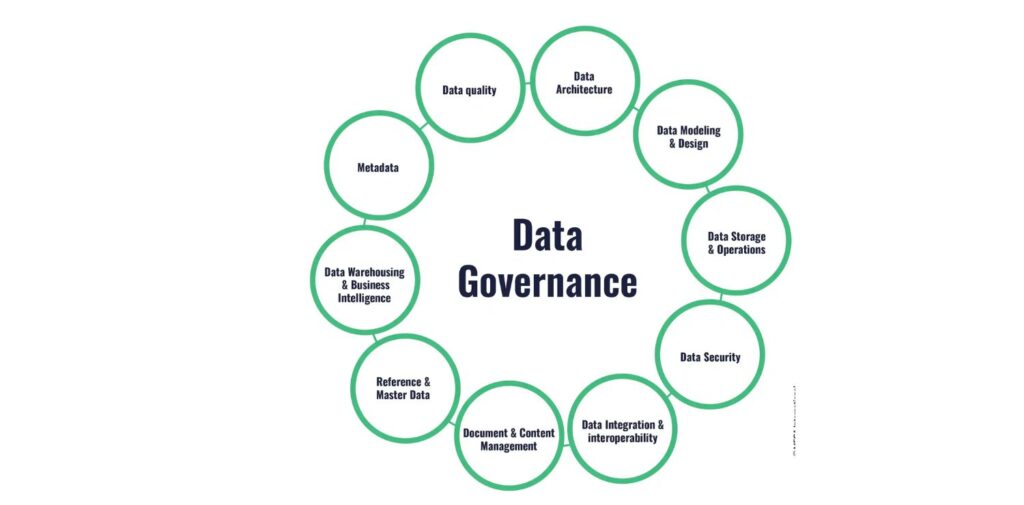
To effectively implement data governance, an organization needs to focus on several critical components. These elements lay the foundation for managing data in a structured and responsible manner.
- Data Quality Management: This is the process of ensuring that the data is accurate, complete, and consistent. Poor data quality can lead to erroneous conclusions, causing financial loss or strategic errors. Regular audits and validation processes are important in maintaining high data quality.
- Data Security and Privacy: Ensuring data is safe from breaches and misuse is a core principle of data governance. This involves implementing strong encryption techniques, secure access controls, and privacy policies that protect sensitive information, especially when dealing with personal data, which is increasingly becoming a concern in India with rising data protection awareness.
- Data Ownership and Stewardship: Data ownership refers to assigning clear responsibility for data. Data stewards are the individuals responsible for overseeing data management practices within the organization. Defining who owns and oversees different data sets ensures accountability and helps resolve any conflicts or issues related to data use.
- Data Accessibility: Data should be accessible to authorized personnel whenever needed. However, it also involves setting up permissions and access controls to prevent unauthorized access. The goal is to balance accessibility with security, ensuring the right people can use the right data at the right time.
- Data Integration: In organizations, data often comes from multiple sources, including internal databases, external partners, and cloud services. It ensures that this data is integrated effectively, providing a unified view that can be used for analysis and decision-making.
- Compliance and Legal Considerations: Organizations must adhere to data-related regulations, both local and global. In India, businesses must comply with the upcoming Personal Data Protection Bill, while global companies must also follow GDPR guidelines if they deal with data from the European Union. It ensures that data management practices align with these legal requirements.
Benefits of Data Governance for Indian Businesses
For Indian businesses, which are increasingly moving toward digitalization, adopting data-governance practices can bring numerous benefits. India is home to a vast and diverse market, making data a critical asset. Here are some of the key advantages of robust data governance in the Indian context:
- Better Customer Experience: By using well-governed data, businesses can better understand customer needs, preferences, and behaviors. This helps create personalized offerings, leading to improved customer satisfaction and loyalty.
- Competitive Advantage: In a competitive market like India, businesses that can leverage accurate, well-organized data have an edge. With proper data-governance, companies can make quicker, more informed decisions, outpacing competitors.
- Cost Savings: Poor data management often leads to inefficiencies, duplicated efforts, and waste. By streamlining data practices, businesses can reduce operational costs and improve overall productivity.
- Innovation and Growth: Data governance facilitates the creation of a robust data infrastructure that supports analytics and innovation. Organizations can develop new products and services based on actionable insights, driving growth and expansion in both domestic and international markets.
- Trust and Reputation: With growing awareness about data privacy and security, customers and clients are more likely to trust businesses that prioritize data protection. By adhering to data-governance principles, companies can build trust and improve their reputation.

Challenges in Implementing Data Governance in India
While the benefits of data governance are clear, many organizations face challenges in implementing it effectively. Here are some of the common hurdles businesses in India encounter:
- Lack of Awareness: Many businesses, especially smaller ones, may not fully understand the importance of data-governance. This lack of awareness can lead to a lack of investment in the necessary tools and processes.
- Data Silos: In large organizations, data is often spread across different departments or systems. These data silos make it difficult to manage and govern data effectively, hindering collaboration and decision-making.
- Resource Constraints: Implementing data governance requires dedicated resources, both in terms of personnel and technology. Many organizations in India, particularly startups and mid-sized companies, may struggle to allocate sufficient resources.
- Cultural Resistance: Shifting to a data-driven culture can face resistance from employees who are accustomed to traditional decision-making processes. Overcoming this resistance and fostering a data-driven mindset takes time and effort.
Conclusion
Data governance is not just a buzzword; it is an essential framework for modern organizations to harness the power of data effectively and responsibly. In India, where digital transformation is accelerating, businesses must prioritize data governance to ensure that data is secure, accurate, and used to drive growth. By implementing strong data governance practices, organizations can enhance decision-making, ensure compliance, protect data privacy, and gain a competitive edge. Although challenges exist, the benefits far outweigh the obstacles, making data governance a critical investment for businesses aiming for success in the 21st century.