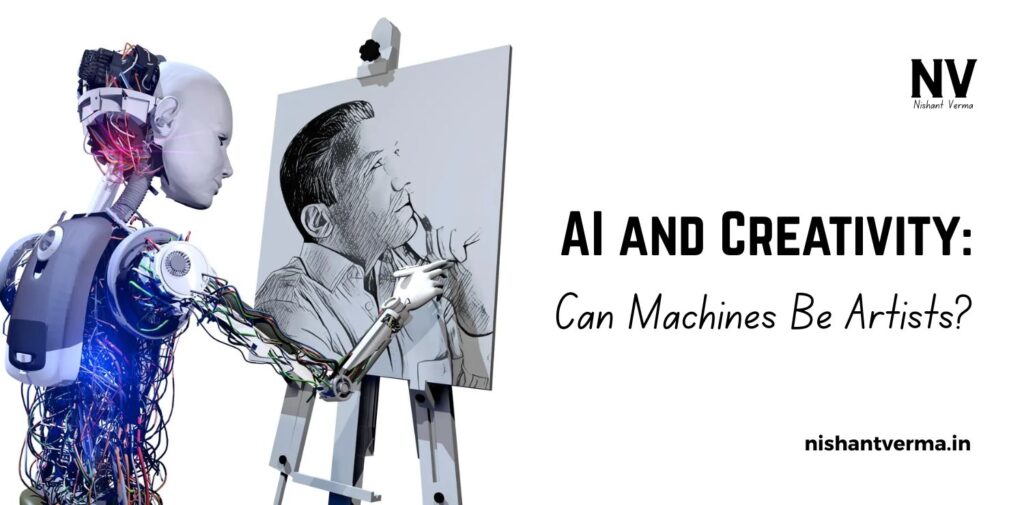
In today’s fast-changing world, artificial intelligence (AI) is touching every part of our lives. From helping doctors in hospitals to recommending songs and movies on our phones, AI is everywhere. One of the most surprising places where AI is now making its presence felt is in the world of art. Yes, machines are now creating paintings, music, poems, and even writing books. But this brings us to a big question – can a machine really be an artist?
This question is especially interesting for a country like India, where art, culture, and emotions play a big role in our daily lives. We respect creativity, whether it is a beautiful rangoli during Diwali, a soulful Bollywood song, or a well-written novel in any of our regional languages. So, when a machine starts doing something that we always thought only humans could do, it makes us stop and think.
Let us explore this topic in a simple way and try to understand whether machines can really become artists and what it means for all of us.
What is creativity and why is it special?
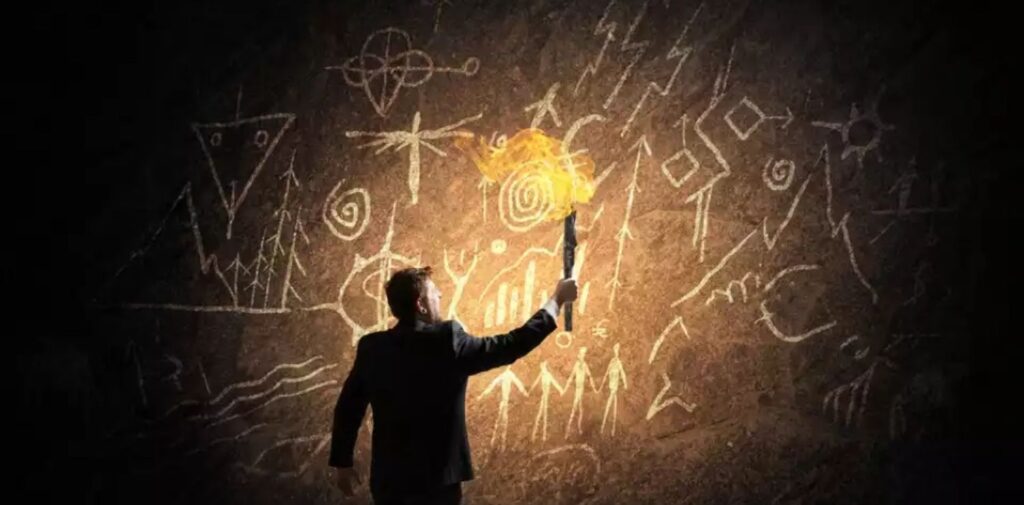
Before we talk about AI, we should understand what creativity really means. Creativity is the ability to come up with new and original ideas. It is about thinking in a different way, seeing the world with new eyes, and expressing our feelings and thoughts in a unique manner. In India, we see creativity in many forms – in a dancer performing Bharatanatyam, a child making a kite for Makar Sankranti, or a farmer painting his tractor in bright colors.
What makes creativity special is the human touch. It comes from emotions, experiences, culture, and sometimes even pain or joy. A poet may write a beautiful sher after a heartbreak. A musician may compose a song inspired by the rain. A painter may capture the beauty of a village scene that reminds him of his childhood.
So, can a machine, which has no emotions or memories, create something like this?
How do machines create art?
AI creates art by learning from data. For example, if we want an AI to make a painting, we show it thousands of paintings made by human artists. The machine studies the colors, patterns, brush strokes, and styles. It learns how art is made, and then it tries to create something similar. This process is called “machine learning.”
There are already many tools that use AI to create art. Some popular examples include DALL·E, which makes images from written descriptions, and ChatGPT, which can write stories or poems. There are even AI tools that can compose music or create movie scripts.
So, the machine is not copying exactly, but it is learning from the work of humans and creating something new based on patterns. Some of the art made by AI is so impressive that it has been displayed in galleries and sold for lakhs of rupees.
Is AI art really original?
This is a big debate. Some people believe that AI is not truly creative because it only follows patterns and rules. It does not have feelings or inspiration. It is like a smart student who learns from books and writes an essay. But is that essay truly original if it is based on what others have written?
Others say that even human artists are inspired by what they see around them. A poet may write in the style of Mirza Ghalib. A painter may follow the techniques of M.F. Husain. So if humans also learn from others, then why not machines?
But the difference is that humans add their own experiences and emotions. That is what makes a piece of art deeply touching. AI does not feel happiness or sadness. It does not understand the meaning behind a tear or a smile. It may create a painting of a mother and child, but it does not know the bond between them.
Can AI help human artists?
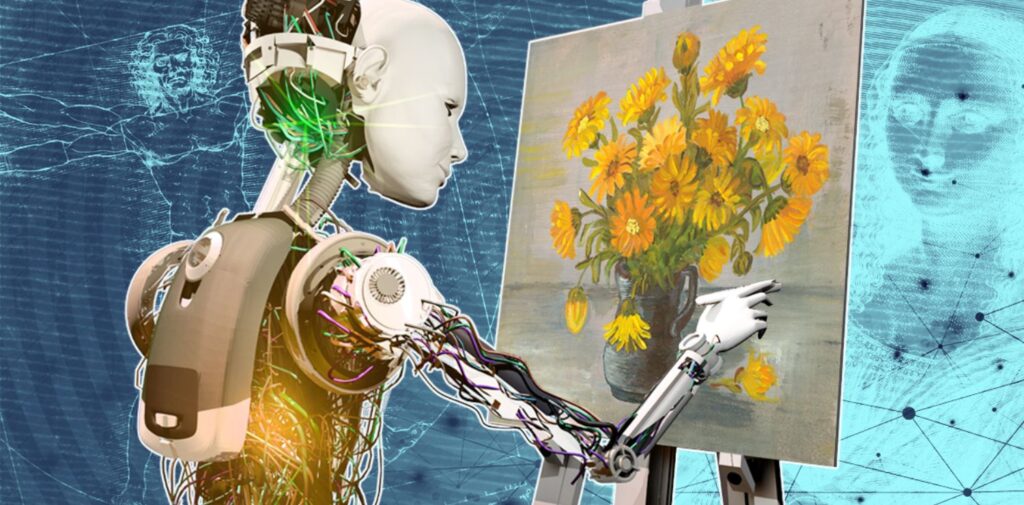
Instead of asking whether AI can replace artists, a better question is – can AI support artists? Many Indian artists are already using AI to improve their work. For example, a singer might use AI to mix music or correct the pitch. A filmmaker can use AI to create special effects. A writer can take ideas from AI when facing writer’s block.
AI can also help artists reach more people. A small-town poet can use AI to translate his work into many languages and share it online. A tribal artist can create digital versions of her paintings and sell them worldwide.
So, AI can become a partner in the creative process, not a replacement.
The emotional side of art – can AI understand it?
In India, we value emotions very deeply. A folk song from Rajasthan, a devotional bhajan in a temple, or even a mother’s lullaby – these are not just songs, they are feelings. They carry tradition, love, sorrow, and joy.
This emotional part of art is something that AI still cannot understand. A machine can create a tune, but it cannot feel the heartbreak behind a ghazal. It can paint a sunset, but it cannot enjoy the peace of watching it after a long day.
So, while AI can create art that looks or sounds good, it often misses the “soul” of the art – the emotion that touches people’s hearts. For Indians, this soul is very important. It is what makes art more than just a picture or a song.
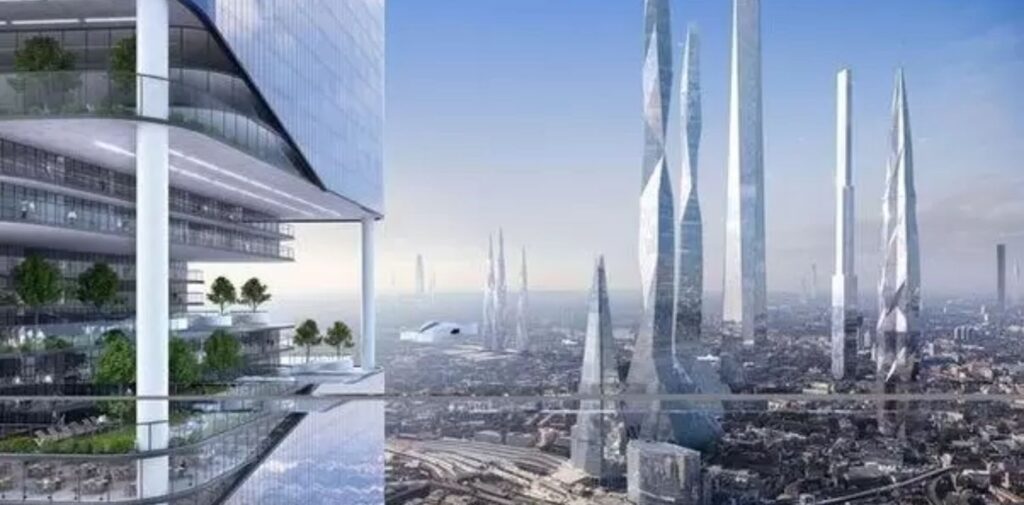
What does the future look like?
AI is definitely here to stay. It will continue to grow and play a bigger role in art and creativity. But instead of seeing it as a threat, we can see it as an opportunity. Schools in India can teach children how to use AI tools to express their ideas. Art colleges can include AI-based techniques along with traditional methods. Local artists can use AI to tell their stories in new and powerful ways.
At the same time, we should remember that machines are just tools. The real power lies with human imagination, emotion, and culture. India’s rich traditions, diverse languages, and deep values cannot be copied by machines. They can only be expressed by humans who feel them.
So, can machines be artists? Maybe they can imitate art, but the true artist will always be the human heart.
Conclusion – A New Chapter, Together
In conclusion, AI and creativity is not a fight between humans and machines. It is a new chapter in the journey of art. Just like photography did not kill painting, and cinema did not kill theatre, AI will not kill human creativity. It will simply add a new dimension to it.
In India, where we respect both tradition and innovation, we can find a balance. Let AI become a helper in the hands of a human artist. Let the machine handle the patterns, and the human provide the passion.
Together, they can create art that is not only smart but also soulful. And that is something truly worth celebrating.