

India’s journey into space exploration has been nothing short of extraordinary. Over the past few decades, the country has established itself as a global leader in space technology, making remarkable strides in satellite development, space missions, and international collaborations. The Indian Space Research Organisation (ISRO) has been at the forefront of this growth, achieving significant milestones that have not only put India on the space map but have also contributed to the global space community.
As India continues to innovate, the focus is now on building the next generation of satellites that will serve a variety of purposes, from communication and weather forecasting to advanced research and exploration. This article takes a closer look at India role in space exploration and the ongoing efforts to create the next-generation satellites that will help shape the future of the country’s space endeavors.
The Growth of India’s Space Program
India’s space program began in the early 1960s with the establishment of ISRO. Since its inception, ISRO has made incredible advancements, launching numerous satellites, missions, and rockets. The first significant milestone was the launch of India’s first satellite, Aryabhata, in 1975. Over the years, ISRO has expanded its capabilities, becoming known for its cost-effective and efficient space missions. A series of successful launches, including the Mars Orbiter Mission (Mangalyaan) in 2013 and the Chandrayaan missions to the Moon, has garnered international recognition for India’s space achievements.
One of the defining characteristics of India’s space program is its ability to deliver cutting-edge technology at a fraction of the cost compared to other space agencies. ISRO’s success lies not only in its technical expertise but also in its innovative approach to problem-solving. This has made India a key player in global space exploration, with ISRO continuing to build on its past successes as it looks ahead to future endeavors.
India’s Focus on Building Advanced Satellites
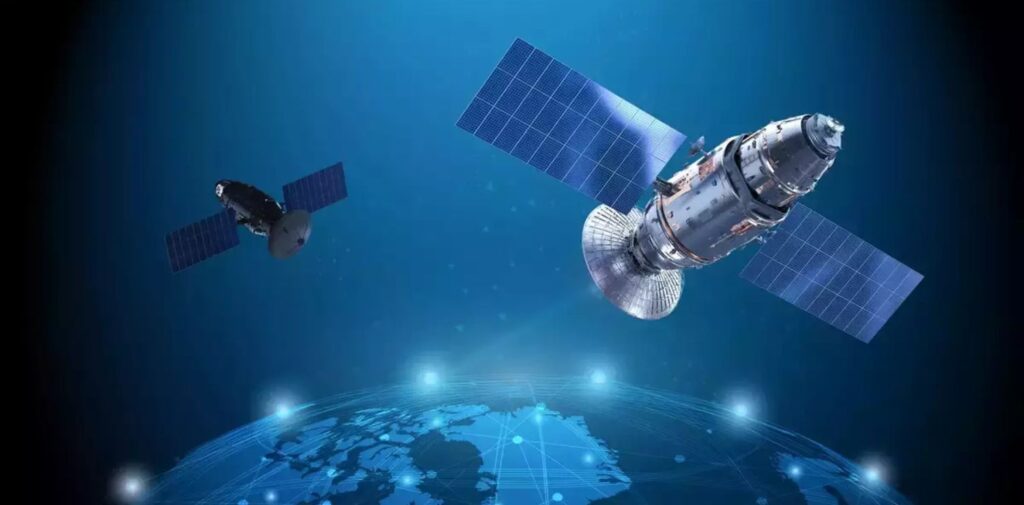
Satellites have become an integral part of modern life, serving purposes ranging from communication and navigation to weather forecasting and scientific research. India, under the leadership of ISRO, has made tremendous strides in satellite technology, with a particular focus on building the next generation of satellites. These next-gen satellites are expected to be more powerful, versatile, and cost-effective than their predecessors, helping India expand its capabilities in various sectors.
One of the major areas of focus is improving satellite communication. Communication satellites are crucial for connecting remote areas, supporting mobile and internet networks, and enabling secure communications for defense and government purposes. ISRO is working to enhance the performance of communication satellites by increasing bandwidth and improving data transfer capabilities. This is essential for meeting the growing demands of a digitally connected world and ensuring that rural and underserved areas in India can access high-speed internet and telecommunication services.
In addition to communication satellites, India is also focusing on building weather and Earth observation satellites. These satellites play a critical role in monitoring climate change, predicting weather patterns, and managing natural disasters. India’s remote sensing satellites provide valuable data for agriculture, urban planning, disaster management, and environmental monitoring. With advancements in satellite technology, India aims to improve the accuracy and resolution of these satellites, enabling better decision-making in critical sectors such as agriculture and disaster relief.

The Role of Innovation in Satellite Development
Innovation has been a key driver of India’s space program. ISRO’s ability to develop advanced satellite technology while keeping costs low is a testament to the country’s innovative spirit. A significant part of this innovation lies in the development of small satellites, which have gained immense popularity in recent years. Small satellites are lightweight, cost-effective, and versatile, making them ideal for a wide range of applications, from scientific research to communication and Earth observation.
ISRO has pioneered the development and launch of small satellites, with missions like the Polar Satellite Launch Vehicle (PSLV) being instrumental in deploying small satellite constellations. Small satellites are not only beneficial for commercial and scientific purposes but also provide opportunities for startups and private companies in India to engage in space exploration. This growing sector is expected to fuel the next wave of innovation, with more players entering the space industry and contributing to the development of advanced satellite technology.
Another area where India is making strides is in satellite propulsion technology. Traditional satellites rely on chemical propulsion systems, which can be expensive and inefficient. However, ISRO has been working on developing electric propulsion systems, which are more cost-effective and efficient for satellite maneuvers in space. These advancements are expected to improve satellite lifespan and reduce operational costs, making satellite missions more affordable and sustainable.
International Collaboration in Satellite Development
India’s growing influence in space exploration is also reflected in its increasing international collaboration. ISRO has partnered with various space agencies, such as NASA, the European Space Agency (ESA), and the Russian Space Agency, to share knowledge, resources, and expertise. This collaboration has led to joint missions and research projects, helping India expand its capabilities in satellite technology.
One of the notable international partnerships is the collaboration between ISRO and NASA on the NASA-ISRO Synthetic Aperture Radar (NISAR) mission, which aims to launch a satellite that will monitor the Earth’s surface to study environmental changes. Such collaborations not only enhance India’s space exploration capabilities but also contribute to global efforts to address pressing issues such as climate change and natural disasters.
In addition to traditional space agencies, India has also formed partnerships with private companies and startups in the space industry. This growing engagement with the private sector is expected to bring fresh ideas and innovations to satellite development. India’s recent push to privatize space activities, through the establishment of the Indian National Space Promotion and Authorization Center (IN-SPACe), is also expected to accelerate the development of cutting-edge satellite technology, with a focus on increasing the participation of Indian businesses in global space markets.
The Future of India’s Satellite Program
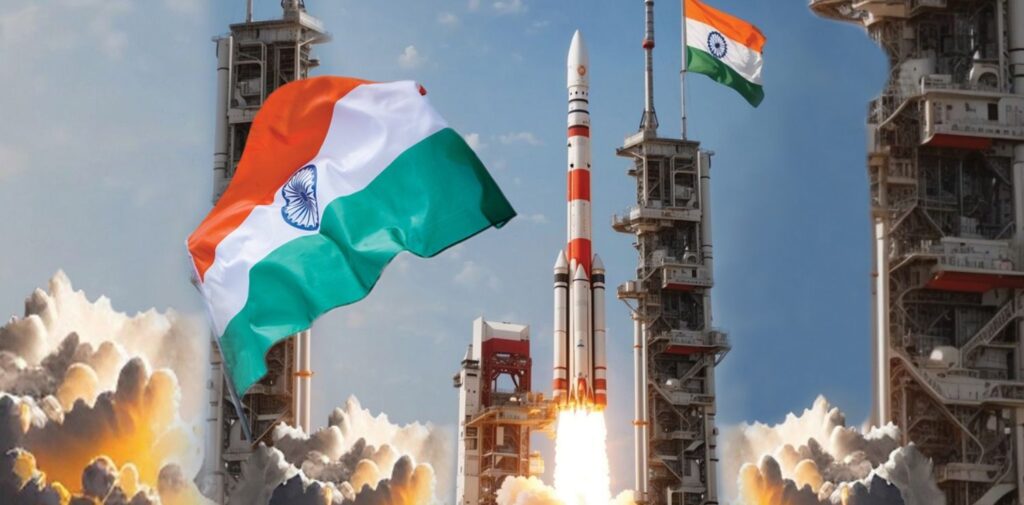
Looking ahead, India’s satellite program is set to reach new heights as the country aims to build more advanced and diverse satellites for various purposes. ISRO’s future plans include launching next-generation communication satellites, Earth observation satellites with enhanced resolution, and deep-space exploration satellites for missions beyond Earth’s orbit.
One of the key missions in the coming years is the Gaganyaan mission, India’s first human spaceflight program, which will carry Indian astronauts to space. This mission will require the development of advanced satellites for communication, navigation, and life-support systems. The success of this mission will not only boost India’s space exploration capabilities but also contribute to the development of satellite technologies that will be critical for future space missions.
India is also focused on space exploration beyond Earth’s orbit. The Chandrayaan-3 mission, which aims to land on the Moon, and the upcoming Gaganyaan mission will pave the way for India to become a prominent player in deep-space exploration. Satellites designed for interplanetary missions will be essential for gathering data and conducting research on celestial bodies, contributing to humanity’s understanding of space and our place in the universe.
Furthermore, the development of satellite constellations for global communication and Internet access is another area where India is making strides. ISRO’s efforts to improve connectivity in rural and remote areas of India are expected to benefit from these satellite constellations, providing affordable and reliable Internet access to people in underserved regions.
Conclusion: India Role in Space Exploration
India role in space exploration has come a long way since the days of its first satellite launch. With a strong focus on building the next generation of satellites, India is poised to make even greater strides in space technology. The advancements in communication, Earth observation, and satellite propulsion technology will not only benefit India but will also contribute to global efforts in scientific research, environmental monitoring, and disaster management.
As ISRO continues to innovate and collaborate with international partners, India’s space program is expected to evolve, bringing new opportunities for the country to assert itself as a global leader in space exploration. By focusing on the development of advanced satellites and expanding its reach beyond Earth’s orbit, India is building a strong foundation for the future of space exploration, one that will benefit generations to come.