
India, a country with over 1.4 billion people, has been undergoing a digital transformation over the past decade. With the widespread adoption of technology, India’s digital economy is rapidly growing, and this has had a significant impact on global trade. From e-commerce to digital payment systems, India is not just participating in global trade but is actively shaping its future. This article explores how India digital transformation is influencing global trade, the benefits it brings, and the challenges that come with it.
The Growth of India’s Digital Economy
India digital transformation is powered by several factors, including the increasing internet penetration, the rise of smartphones, and the government’s efforts to create a digitally inclusive society. The government’s initiatives like Digital India and Make in India have encouraged the development of a robust digital infrastructure, leading to more businesses adopting online platforms.
The digital economy in India has expanded into various sectors, such as e-commerce, fintech (financial technology), logistics, and digital services. This growth is not only beneficial for local businesses but is also driving India’s role as a key player in global trade. As the country integrates digital technologies across industries, Indian businesses are gaining access to international markets, and foreign companies are increasingly looking at India as a hub for digital trade.

E-Commerce and India’s Role in Global Trade
One of the most significant ways India is influencing global trade is through e-commerce. The number of online shoppers in India has grown exponentially, driven by the rise of smartphones and affordable internet. Major global e-commerce players, such as Amazon and Walmart, have heavily invested in the Indian market, recognizing its potential.
Indian businesses are also benefitting from this growth. Small and medium-sized enterprises (SMEs) are able to sell products globally through platforms like Amazon, Flipkart, and Snapdeal. This has opened new avenues for Indian manufacturers and artisans to reach customers across the world, enhancing trade not just within India, but internationally.
Moreover, Indian startups are tapping into global e-commerce by offering innovative products and services. Whether it’s homegrown fashion brands or tech products, India’s e-commerce boom is making a noticeable mark on global trade. By adopting technology, Indian businesses are able to compete on a global scale, making India an important player in the international market.
Digital Payments: A Gateway to Seamless Trade
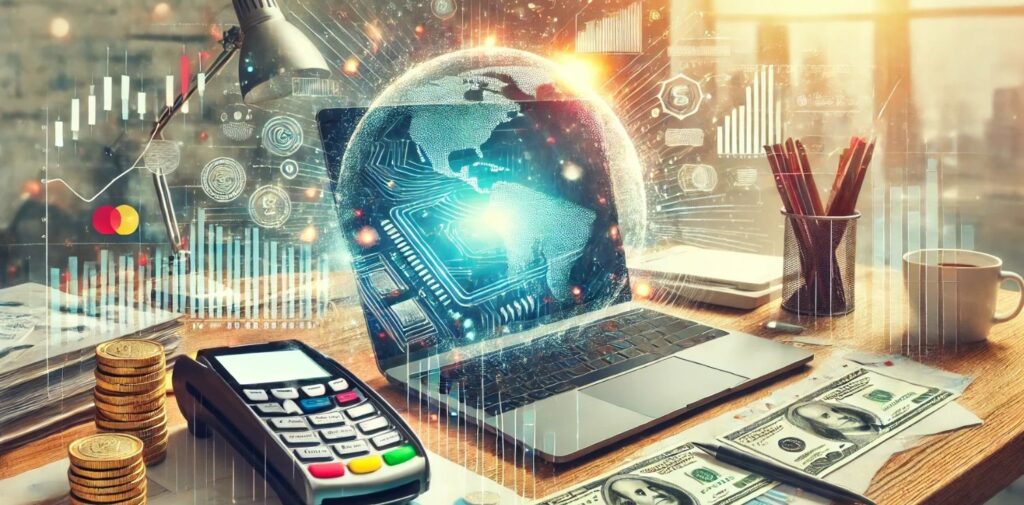
India’s digital payment systems have undergone a major transformation, significantly influencing global trade. The Unified Payments Interface (UPI), which enables real-time bank-to-bank transfers, has revolutionized the way payments are made. UPI’s success in India is leading to interest from other countries looking to replicate the system for smoother financial transactions.
Digital payments are crucial in global trade as they make cross-border transactions quicker, safer, and more efficient. Indian companies, especially in sectors like IT and business services, can now receive payments from anywhere in the world without the delays typically associated with traditional banking systems. Additionally, the Pradhan Mantri Jan Dhan Yojana has ensured that millions of previously unbanked citizens are now part of the digital payment ecosystem, fostering financial inclusion.
India’s adoption of digital payment systems has also benefited international businesses. Companies that work with Indian suppliers or service providers now enjoy quicker payment settlements, making global trade more seamless. With the rise of digital wallets like Paytm, PhonePe, and Google Pay, businesses and consumers can engage in both domestic and international trade with ease.
India’s Digital Services: Exporting Expertise to the World
Another significant aspect of India digital transformation is its export of digital services. India has long been a global leader in information technology (IT) and software services. Companies like TCS, Infosys, and Wipro have successfully positioned themselves as top IT service providers globally. Digital transformation in India has expanded this service export model beyond traditional software and IT services.
India is now exporting digital skills and expertise in fields like data analytics, cloud computing, artificial intelligence (AI), machine learning, cybersecurity, and blockchain. These digital services are not just beneficial to other countries, but they have positioned India as a leading exporter of technology solutions.
Furthermore, as Indian businesses become more digitally integrated, they are also collaborating with international partners to co-create technological solutions. This has enhanced India’s trade relationships, making it a hub for cutting-edge digital services.
Logistics and Supply Chain: Enhancing Efficiency Through Technology
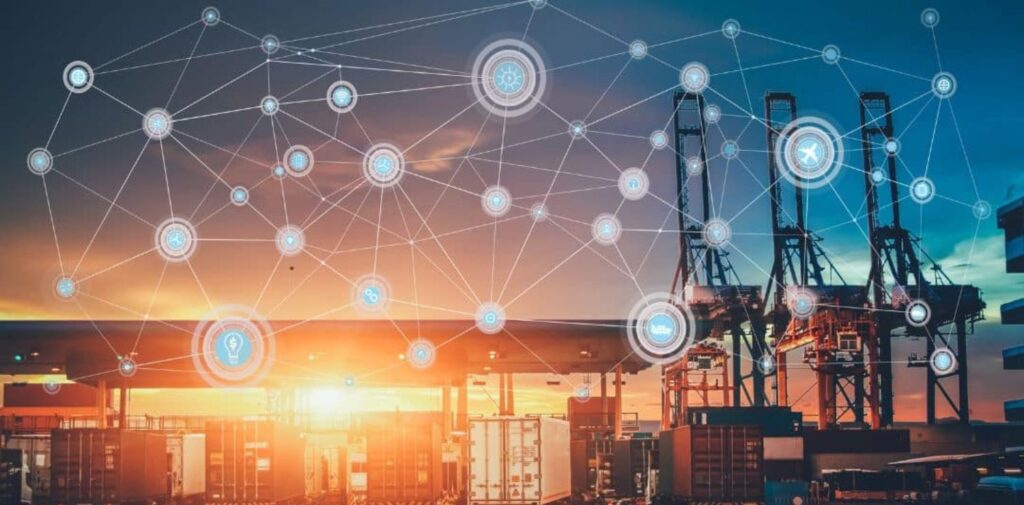
Logistics is a key component of global trade, and India digital transformation is revolutionizing this sector. In recent years, digital technologies have improved the efficiency of India’s supply chains, from the use of tracking systems for shipments to automation in warehouses. The government’s push towards creating a National Logistics Policy aims to improve the sector even further.
Technologies like Internet of Things (IoT) and big data analytics are now being applied to enhance the efficiency of Indian logistics. For example, real-time tracking allows Indian exporters to monitor their goods while in transit, ensuring timely deliveries to international customers. This efficiency is critical in global trade, where delays can impact business relationships and profit margins.
Moreover, Indian logistics companies are now integrating digital tools to offer competitive pricing and services to international clients. This has led to increased foreign investment in Indian logistics startups, making India a more attractive destination for global trade.
Challenges and the Way Forward
While India digital transformation has undoubtedly enhanced global trade, there are challenges that need to be addressed for even greater success. One of the key challenges is ensuring that India’s digital infrastructure reaches remote and rural areas. Despite the rapid growth of internet penetration, there are still vast parts of India where access to high-speed internet is limited.
Another challenge is the issue of cybersecurity. As India becomes a more integral part of global trade, the risk of cyber threats also increases. Businesses and consumers alike must ensure that their digital platforms are secure, and the government must continue to invest in building a robust cybersecurity framework.
Lastly, there is the challenge of skilling India’s workforce to keep up with the changing demands of the digital economy. While India is known for its IT expertise, more focus is needed on upskilling individuals in emerging technologies like AI, blockchain, and data science to maintain its competitive edge in global trade.
Conclusion: India Digital Transformation
India digital transformation has already started to make a significant impact on global trade. From the rise of e-commerce and digital payments to the export of digital services and the improvement of logistics, the country is becoming an essential player in the global marketplace. As India continues to embrace digital technologies, the scope for international trade opportunities will only expand, benefiting businesses, consumers, and the economy as a whole.
For India to fully harness the potential of its digital transformation, it must address challenges such as infrastructure gaps, cybersecurity risks, and the need for a skilled workforce. However, if these hurdles are overcome, India’s role in shaping global trade will only become stronger. With its growing digital economy, India is poised to play a pivotal role in the future of global commerce.