
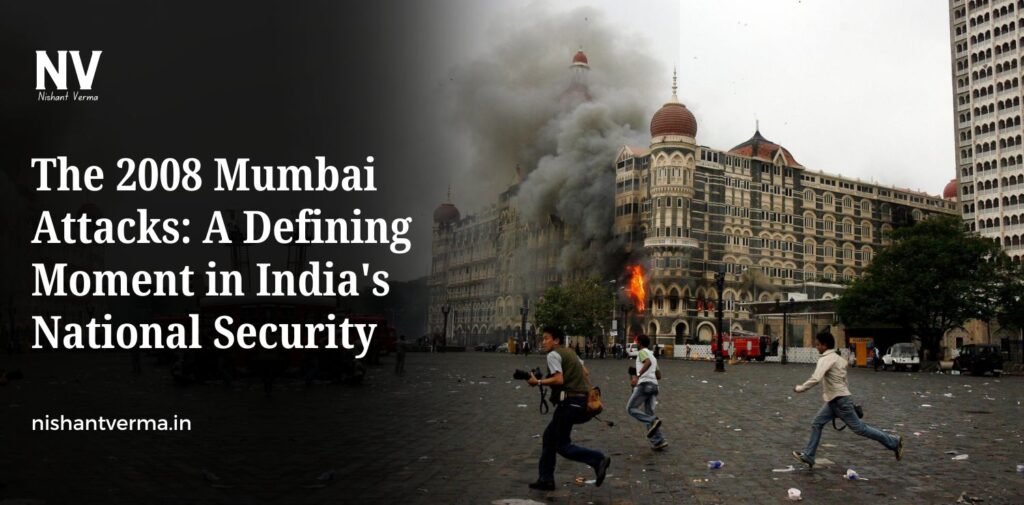
On the night of November 26, 2008, the city of Mumbai, India, was struck by a series of brutal terrorist attacks that left a deep scar on the nation’s psyche. The attacks, carried out by a group of armed militants, lasted for over 60 hours and targeted several high-profile locations across Mumbai, including luxury hotels, a Jewish centre, a railway station, and a restaurant. The 2008 Mumbai attacks became a defining moment in India’s national security history, forcing the country to reassess its security measures and counterterrorism strategies. This article will explore the key events of the attack, its impact on India’s national security, and the lessons learned from this tragic event.
The Night of Terror: A Timeline of the Attacks
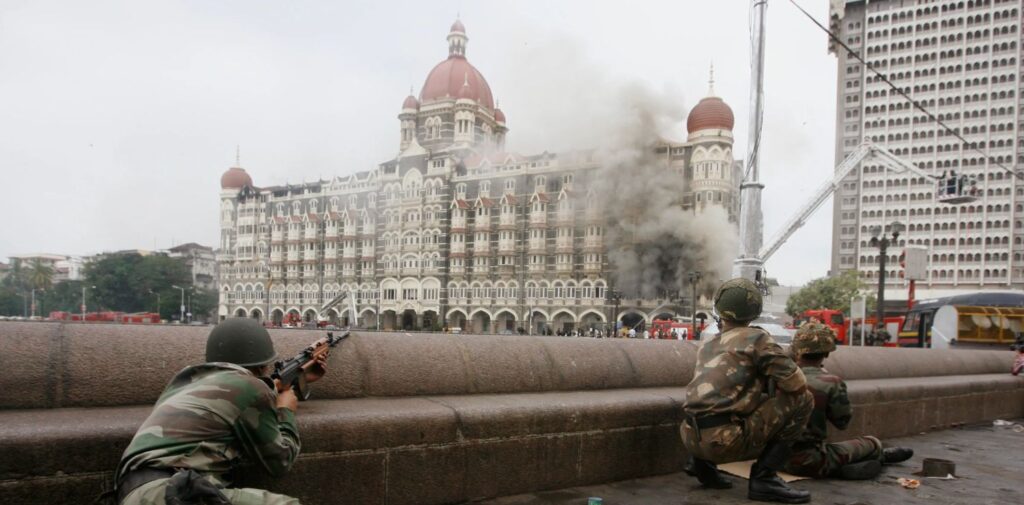
The 2008 Mumbai attacks began on the evening of November 26, when ten heavily armed terrorists, who arrived by sea, split into small groups and targeted various locations in Mumbai. The first target was the Taj Mahal Palace Hotel, a luxurious five-star property that had been a symbol of India’s modern development. Another group attacked the Oberoi Trident Hotel, while a third group targeted the Chhatrapati Shivaji Maharaj Terminus (CST) railway station. A fourth group of militants attacked the Nariman House, a Jewish community centre.
The terrorists used a combination of firearms, grenades, and explosives to inflict maximum damage. Over the next few hours, the attackers held hostages and engaged in intense firefights with Indian security forces. The siege at the Taj Mahal Palace Hotel, in particular, was one of the most harrowing events, as several hostages, including foreign nationals, were killed.
Indian security forces, including the National Security Guard (NSG), Mumbai Police, and the Indian Army, launched a counteroffensive to neutralize the attackers. After more than 60 hours of intense battles, all the terrorists were killed, but not before leaving behind a trail of destruction. In total, 166 people lost their lives, and more than 300 were injured.
The Terrorists Behind the Attack: The Lashkar-e-Taiba Connection
The group responsible for the attacks was identified as Lashkar-e-Taiba (LeT), a Pakistan-based terrorist organization. LeT is known for its militant activities, particularly targeting India. The attackers were trained in marine warfare, and they were well-equipped with advanced weaponry and explosives. They had a clear objective: to spread fear, create chaos, and undermine the sense of security in India.
The Impact on India’s National Security
The involvement of Pakistan-based militants in the attacks raised concerns about the relationship between India and Pakistan, which had been historically tense due to the longstanding conflict over Kashmir. Although Pakistan denied any official role in the attack, evidence found during the investigation pointed to the involvement of Pakistani nationals, including handlers who directed the attackers from across the border. The international community widely condemned the attacks and urged Pakistan to take responsibility for dismantling terrorist groups operating within its borders.
The 2008 Mumbai attacks exposed several critical gaps in India’s national security apparatus. One of the most significant shortcomings was the lack of coordination between various security agencies. While the Indian military and police responded quickly, the lack of a unified command structure delayed the response and hindered efforts to neutralize the attackers swiftly.
Additionally, the attacks highlighted the vulnerabilities in India’s coastal security. The terrorists had arrived by sea, exploiting the gaps in India’s maritime security system. The incident underscored the need for better surveillance and intelligence-sharing mechanisms to prevent similar attacks in the future.
Moreover, the attacks illustrated the importance of counterterrorism training for Indian law enforcement and security agencies. The National Security Guard (NSG) and other specialized units did an exemplary job, but their response could have been faster with more advanced training, resources, and preparation.
The Mumbai attacks also raised questions about the preparedness of India’s critical infrastructure. High-profile targets like hotels and transportation hubs were poorly protected, making them easy targets for the attackers. The incident called for a revamp in how critical infrastructure is secured across the country, with enhanced surveillance, improved physical security measures, and better coordination with local law enforcement.

Strengthening India’s Security Posture: A National Wake-up Call
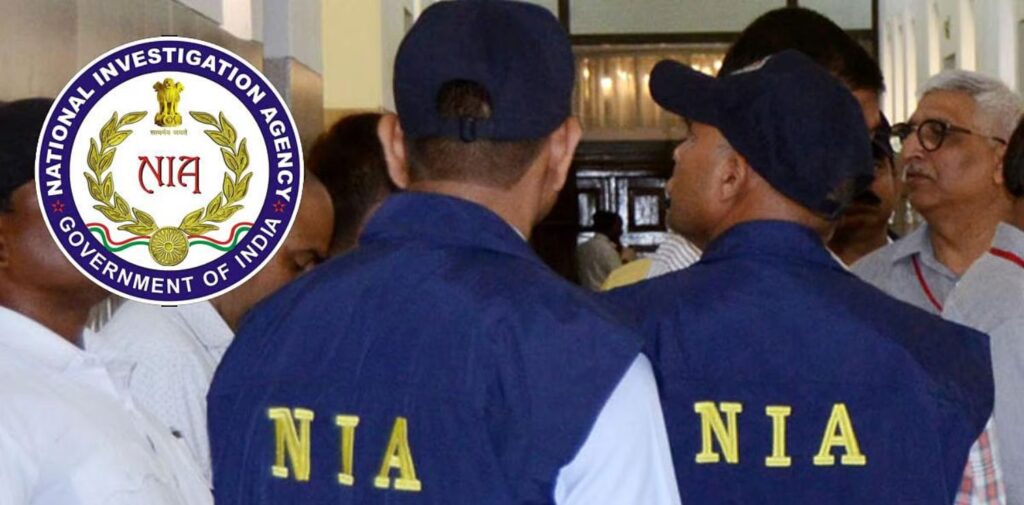
In the aftermath of the attacks, the Indian government took several measures to strengthen the country’s security posture. One of the most significant changes was the establishment of the National Investigation Agency (NIA), tasked with investigating and prosecuting terrorism-related cases. The NIA was designed to bring greater coherence to India’s counterterrorism efforts and to ensure that investigations were not hindered by bureaucratic hurdles.
Additionally, the government focused on enhancing the capabilities of its intelligence agencies, such as the Research and Analysis Wing (RAW) and the Intelligence Bureau (IB). The attacks demonstrated the importance of timely and actionable intelligence in preventing terrorist incidents. As a result, India invested in better surveillance technologies, improved data-sharing protocols, and more robust communication networks between intelligence agencies.
Another key step was the revision of India’s counterterrorism laws. The government passed the Unlawful Activities (Prevention) Act (UAPA), which granted broader powers to law enforcement agencies to combat terrorism. The law allowed for the detention of individuals suspected of being involved in terrorist activities, and it provided the legal framework needed to prosecute those responsible for the attacks.
Finally, the attacks prompted India to strengthen its maritime security. The Indian Coast Guard and other agencies were tasked with increasing patrols and surveillance along India’s extensive coastline. Measures such as installing automatic identification systems (AIS) on vessels and enhancing coastal radar networks were introduced to prevent unauthorized access by sea.
International Cooperation and Global Counterterrorism Efforts
The Mumbai attacks highlighted the transnational nature of terrorism and the need for greater international cooperation in counterterrorism efforts. India called on the global community to take stronger action against terrorist organizations and their supporters. The United Nations passed resolutions aimed at increasing pressure on countries that harboured or supported terrorist groups. The international community also stepped up its efforts to track and dismantle the financial networks that fund terrorist activities.
One of the key outcomes of the attacks was the strengthening of the partnership between India and the United States in the fight against terrorism. The U.S. provided India with technical assistance, intelligence-sharing, and resources to combat terrorism. Similarly, the European Union and other countries pledged to increase support for India’s counterterrorism initiatives.
Conclusion: The 2008 Mumbai Attacks
The 2008 Mumbai attacks were a tragic and devastating event in India’s history, but they also served as a turning point for the country’s approach to national security. The attacks exposed critical vulnerabilities, but they also provided the impetus for much-needed reforms in security, intelligence, and counterterrorism strategies. Since then, India has made significant strides in strengthening its national security framework, although challenges remain.
The memory of those who lost their lives during the attacks continues to inspire India’s commitment to defeating terrorism. The 2008 Mumbai attacks remain a defining moment, reminding the country of the importance of vigilance, cooperation, and resilience in the face of adversity. As India continues to evolve its security measures, the lessons learned from that dark chapter in its history will remain a guiding force in shaping the future of its national security policies.