
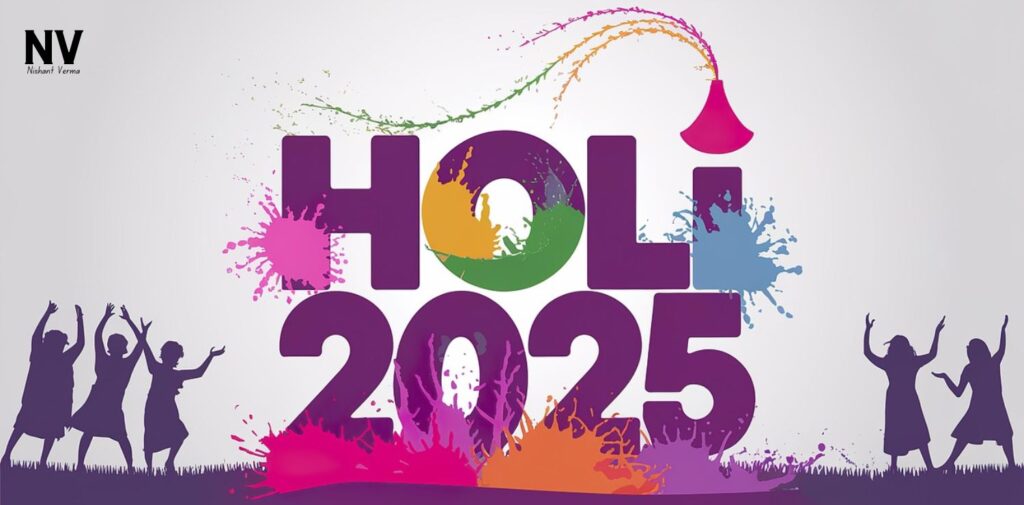
Holi, known as the Festival of Colors, is one of the most vibrant and joyous festivals celebrated across India and many parts of the world. In 2025, Holi will be celebrated on March 14, a day when people of all ages come together to celebrate life, love, and happiness. It is a festival that transcends social barriers and brings people closer, making it a celebration of unity, diversity, and togetherness. Holi is a time to forget past grievances, let go of differences, and enjoy the present moment with friends and family.
In this article, we will explore the significance of Holi 2025, the customs and traditions associated with the festival, the history behind it, and how people celebrate Holi around the world. Let’s dive into the details of this colorful celebration.
What is Holi?
Holi is a traditional Hindu festival that marks the arrival of spring and the victory of good over evil. It is celebrated on the full moon day of the Hindu month of Phalguna, which usually falls in March. This year, Holi will be celebrated on March 14, 2025. Holi is a festival that involves throwing colorful powders, singing, dancing, and enjoying festive foods. It is a time for people to come together, laugh, play, and create lasting memories with family and friends.
Though it has roots in Hindu mythology, the festival has become a cultural celebration enjoyed by people of all religions and backgrounds. The lively and spirited nature of Holi makes it a festival that everyone looks forward to, regardless of age or ethnicity.
The Mythological Significance of Holi
The story of Holi is closely tied to the victory of good over evil, with several mythological tales explaining its origin. The most popular legend associated with Holi comes from the story of Prahlad and Hiranyakashipu.
According to the myth, Hiranyakashipu was a powerful demon king who wanted to become immortal. He performed intense penance and earned a boon from Lord Brahma that made him invincible to death. However, his son Prahlad was a devotee of Lord Vishnu, which angered Hiranyakashipu. The king attempted to kill Prahlad multiple times, but every time, Prahlad was saved by Lord Vishnu.
In one of his evil attempts, Hiranyakashipu ordered his sister Holika, who had a special cloak that made her immune to fire, to sit in a blazing fire with Prahlad on her lap. However, because Holika used the cloak for evil purposes, she was burned alive, while Prahlad remained unharmed due to his devotion to Lord Vishnu.
This myth represents the triumph of faith and devotion (represented by Prahlad) over evil (represented by Hiranyakashipu and Holika). Holi is celebrated to commemorate this victory of good over evil, and the bonfire lit on Holika Dahan (the night before Holi) symbolizes the burning away of negativity and evil.
The Significance of Holi
Holi is more than just a festival of colors; it carries deep cultural, spiritual, and social significance. Some of the important aspects of Holi are:
- Celebration of Spring: Holi marks the arrival of spring, a season of renewal, growth, and blooming flowers. The festival symbolizes the vibrancy and beauty of nature during this time, as well as the joy of new beginnings.
- Unity and Harmony: Holi is a festival that unites people from different backgrounds, communities, and religions. It transcends social, economic, and cultural boundaries, and everyone participates in the celebrations. The spirit of Holi encourages people to forgive past grievances, mend broken relationships, and foster harmony.
- Victory of Good Over Evil: The story of Prahlad and Holika is a reminder that good will always triumph over evil. Holi symbolizes the victory of virtue, truth, and righteousness over darkness, negativity, and hatred.
- Letting Go of Differences: Holi encourages people to forget old grudges and embrace a new start. During the celebrations, people play with colors, forgetting their differences and enjoying the moment with everyone around them.
- Spiritual Significance: For Hindus, Holi has spiritual significance as well. It is a time to celebrate the divine and show gratitude for the blessings in life. Holi is often considered a time to strengthen one’s connection to the divine and renew one’s faith.
Traditions and Customs of Holi
Holi is a festival that is celebrated with enthusiasm and joy. The customs and rituals associated with Holi vary by region and community, but some traditions are common to most parts of India and beyond. Here are some of the major customs and practices observed during the festival:
- Holika Dahan: On the night before Holi (March 13, 2025), people gather around a large bonfire to celebrate Holika Dahan. The bonfire symbolizes the burning away of evil, negativity, and all bad influences. People perform prayers around the fire, sing devotional songs, and take part in the rituals to mark the victory of good over evil. This is the night when people also gather to celebrate the defeat of Holika.
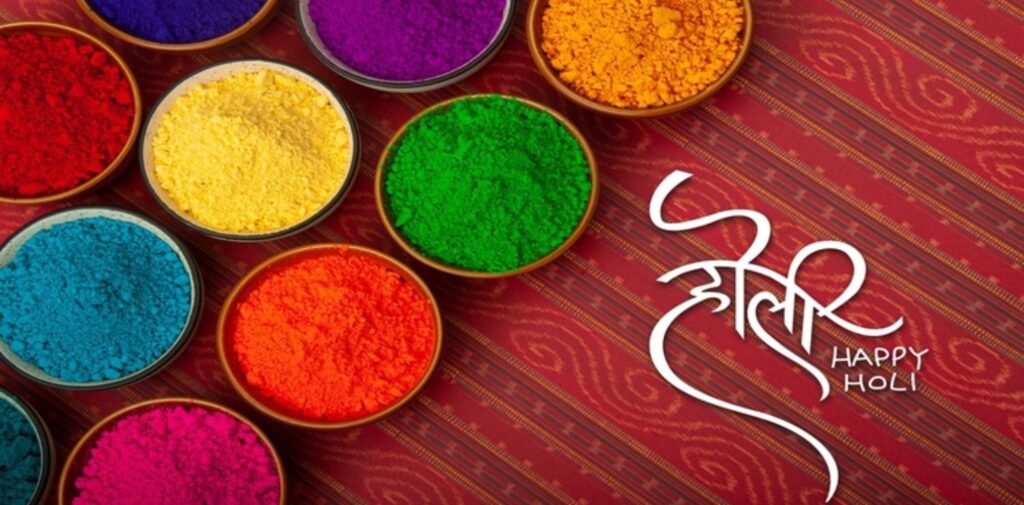
- Throwing of Colors: Holi 2025 (March 14), the most iconic part of the celebration begins. People take to the streets, parks, and homes, armed with colored powders (called gulal) and water balloons. Everyone – from children to adults – joyfully colors each other’s faces and clothes, symbolizing joy, friendship, and love. The use of colors is believed to represent the vibrant beauty of nature and the life-giving forces of the season.
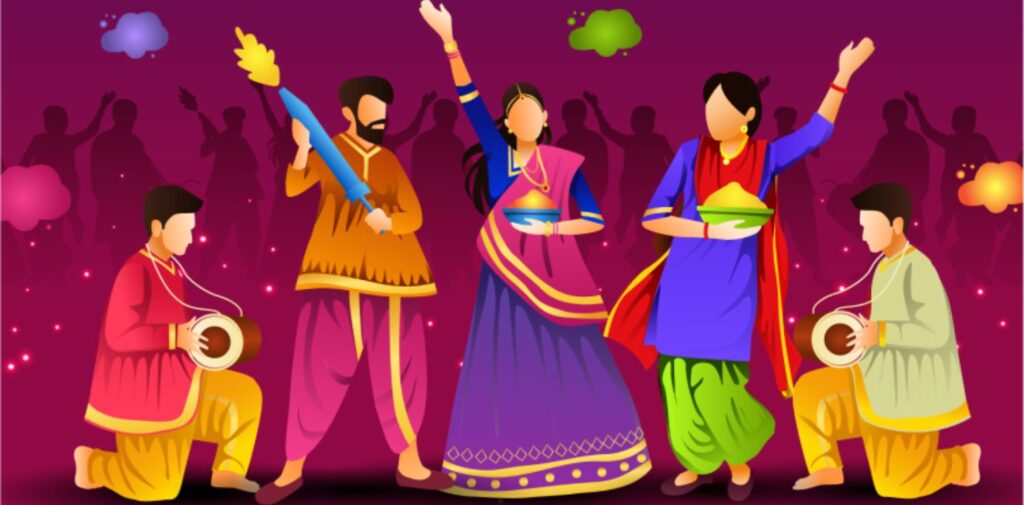
- Singing and Dancing: Holi is also a time for music and dance. People sing traditional Holi songs, also known as Holi geet, and dance to rhythmic beats. Some areas also have public performances, where dancers perform traditional or folk dances, adding a festive and cultural touch to the celebrations.
- Delicious Festive Foods: Holi is a festival of indulgence, and the food is just as colorful as the celebrations. People prepare and share special sweets and snacks during Holi. One of the most popular treats is gujiya, a deep-fried pastry filled with sweetened khoya (milk solids), dried fruits, and coconut. Other popular Holi snacks include thandai (a traditional drink made with milk, nuts, and spices), laddoos, and dahi vada.
- Visiting Friends and Relatives: Holi is a social festival, and people visit their friends and relatives during the celebrations. It is common for people to exchange greetings, share sweets, and play with colors together. The festival encourages bonding, reconciliation, and renewal of relationships.
- Playing with Water: In some regions, people also play Holi using water balloons and water guns, drenching each other with colored water. This water fight is a fun and playful aspect of Holi, especially among children.
- Religious Prayers and Offerings: For many, Holi is a religious occasion. People visit temples, offer prayers to their favorite deities, and seek blessings for happiness, prosperity, and success in the coming year. Holi also has associations with Lord Krishna, especially in the Braj region (Mathura and Vrindavan), where people celebrate the festival with immense fervor in memory of the playful and mischievous nature of Lord Krishna.

Holi Celebrations Around the World
Although Holi is primarily celebrated in India, its colorful and lively spirit has spread to many parts of the world. Indian communities in countries such as the United States, the United Kingdom, Canada, Australia, and South Africa celebrate Holi with equal enthusiasm. In recent years, Holi has become a global festival, with people of all nationalities and cultures participating in the fun and festivities.
The Holi Festival or Festival of Colors events are now organized in several countries outside India, attracting huge crowds. These events are often marked by music, dance, food, and, of course, the throwing of colored powders. Many non-Indian communities have embraced Holi as a celebration of joy, spring, and friendship.
Conclusion: Holi 2025
Holi 2025, promises to be a day of color, celebration, and joy. It is a festival that brings people together, regardless of their differences, to celebrate the beauty of life and the triumph of good over evil. Whether you are playing with colors, singing and dancing, or sharing sweets with loved ones, Holi is an opportunity to renew relationships, spread happiness, and embrace the vibrancy of the world around you.
As we celebrate Holi 2025, let us remember the deeper meaning of the festival – the victory of truth, love, and goodness. Let us also be mindful of the positive energy that this day brings and carry that spirit of unity and joy throughout the year. Happy Holi! May your life always be as colorful and joyful as this festival.