
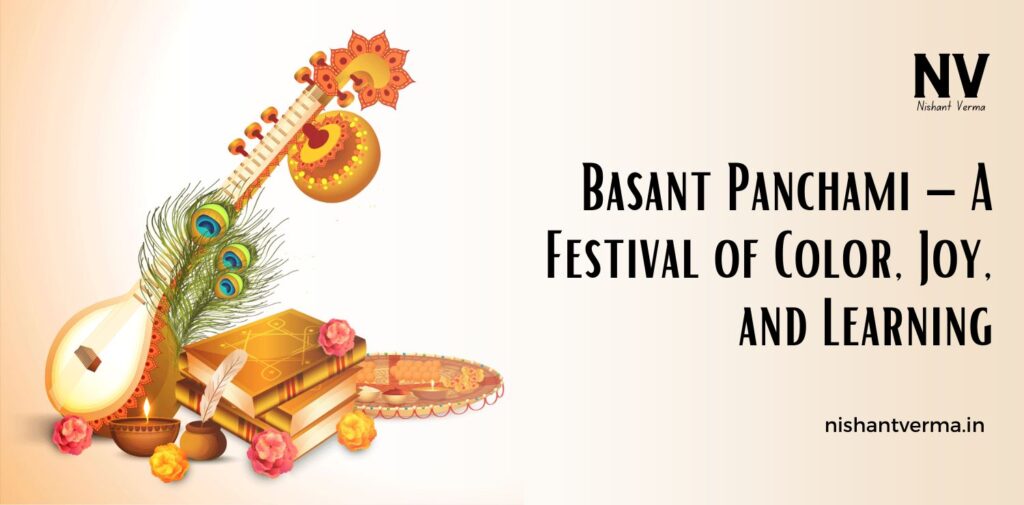
Basant Panchami, which falls on February 2nd in 2025, is one of the most vibrant and widely celebrated festivals in India. It marks the arrival of spring, a season of renewal, hope, and joy. This festival is celebrated with great enthusiasm and fervor across the country, especially in northern India, Punjab, Bihar, and parts of Uttar Pradesh, where it holds deep cultural and religious significance.
In this article, we will take a closer look at the history, significance, customs, and the joyous atmosphere surrounding Basant Panchami. So, whether you are new to the festival or looking for more knowledge, this guide will help you understand what makes this day special.
What is Basant Panchami?
Basant Panchami is a Hindu festival that celebrates the arrival of the spring season, which is considered the season of new beginnings. The word “Basant” means “spring” in Hindi, and “Panchami” refers to the fifth day. The festival is observed on the fifth day of the bright half (Shukla Paksha) of the Hindu month of Magha, which usually falls between January and February.
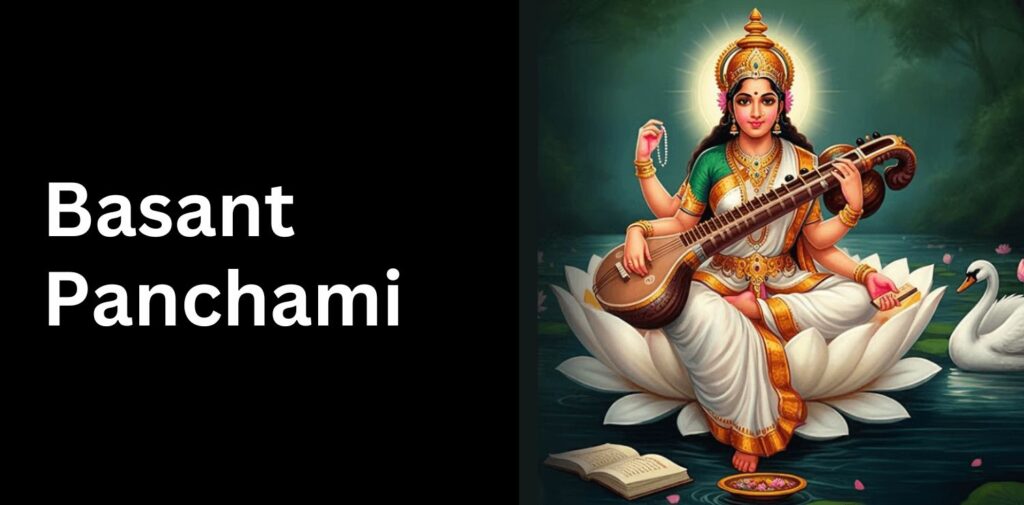
Basant Panchami is also dedicated to Goddess Saraswati, the goddess of wisdom, knowledge, music, and arts. In many parts of India, people worship her on this day, seeking blessings for wisdom and learning. For students, teachers, and artists, it is an especially important day to celebrate the pursuit of knowledge and creativity.
The Significance of Basant Panchami
The festival of Basant Panchami is rich in symbolism and meaning. The main significance of this day lies in its connection to nature and learning.
1. Celebrating the Arrival of Spring:
Basant Panchami marks the end of the cold winter season and the beginning of the warm spring. During this time, nature is at its most beautiful, with flowers blooming and fields turning yellow with mustard crops. The festival signifies renewal, growth, and the vibrancy of life. People celebrate the day with outdoor activities, and the bright yellow color of mustard flowers becomes a symbol of hope and prosperity.
2. Worship of Goddess Saraswati:
Goddess Saraswati, who is believed to be the embodiment of knowledge, learning, music, and art, is worshipped on Basant Panchami. Many students and teachers offer prayers to the goddess to seek her blessings for success in their academic and creative endeavors. In schools and colleges, students often place their books and instruments near the idol or picture of Goddess Saraswati for her divine blessings.
3. A Day to Seek Prosperity and Happiness:
In addition to its spiritual significance, Basant Panchami is also considered a day to pray for prosperity, happiness, and a prosperous life. The bright yellow color associated with the day is believed to bring good fortune and positive energy into homes and lives.
Customs and Traditions of Basant Panchami
Basant Panchami is celebrated in various ways depending on the region, but certain customs are common across India. These include:
1. Wearing Yellow:
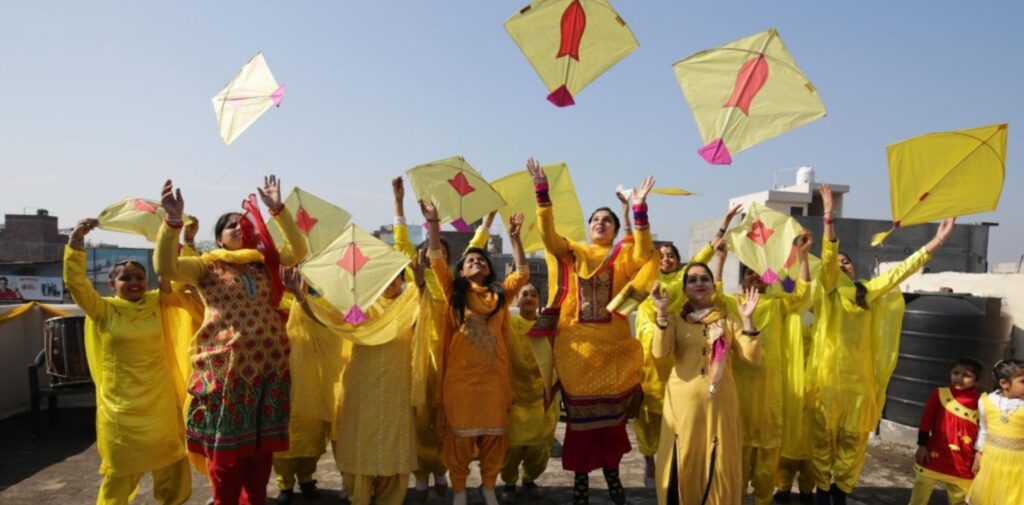
One of the most prominent traditions associated with Basant Panchami is wearing yellow clothes. Yellow is considered a symbol of knowledge, energy, and prosperity. People wear bright yellow attire, and temples are often decorated with yellow flowers. The yellow color also symbolizes the mustard fields that are in full bloom during this time of the year.
2. Worshiping Goddess Saraswati:
On Basant Panchami, people worship Goddess Saraswati to seek her blessings for wisdom and success in life. In many homes, students place their books, musical instruments, and other items related to learning near the goddess’s idol or image. In temples, special prayers are offered to honor her. It is believed that Goddess Saraswati grants wisdom and success in studies, making this day particularly important for students.
3. Flying Kites:
In several regions of India, especially in Punjab and Haryana, flying kites is a popular tradition during Basant Panchami. The skies become filled with colorful kites, and people gather on rooftops or open fields to participate in this joyous activity. The kite flying symbolizes the spirit of freedom and the arrival of a new season.
4. Feasting on Traditional Foods:
On Basant Panchami, families come together to enjoy special foods. The dishes vary by region, but yellow-colored sweets and foods are common. In some parts of India, people prepare dishes made from saffron, rice, and mustard, reflecting the color of the season. People also enjoy sweets like ’tilgul’ (sesame and jaggery treats) and other regional delicacies.
5. Special Rituals and Pujas:
In some areas, elaborate pujas (prayers) are performed in temples and homes. Devotees offer flowers, fruits, and sweets to Goddess Saraswati, while chanting mantras and hymns dedicated to her. In some regions, young girls may even be invited to participate in the puja as a sign of respect and reverence for the goddess.
Regional Celebrations of Basant Panchami
While Basant Panchami is celebrated across India, the way it is observed can vary significantly depending on the region.
1. Punjab and Haryana:
In Punjab and Haryana, Basant Panchami is celebrated as the Basant Festival. It is one of the biggest festivals in these states, and it is marked by a lot of enthusiasm. The highlight of the celebrations is flying kites, which takes place throughout the day. People wear yellow clothing, decorate their homes with yellow flowers, and enjoy traditional foods. The festival is also associated with the harvest of mustard crops, which bloom during this time and paint the fields yellow.
2. West Bengal:
In West Bengal, Basant Panchami is closely associated with the worship of Goddess Saraswati. The day is marked by colorful processions, where people dress in yellow and take part in cultural activities like dance and music. Schools and colleges in West Bengal observe Saraswati Puja, with students gathering to offer prayers for success in their studies.
3. Uttar Pradesh and Bihar:
In Uttar Pradesh and Bihar, Basant Panchami is a religious and cultural festival. People often perform Saraswati Puja and pray for prosperity and knowledge. In some places, special fairs or melas are organized, where people come together to enjoy music, dance, and traditional food.
4. Other Regions:
In other parts of India, Basant Panchami is celebrated with various local customs. In Rajasthan, people celebrate the festival by decorating their homes with bright yellow flowers, while in Madhya Pradesh, people engage in folk dances and songs. It’s also a day for social gatherings and festivities in several parts of India.
The Spirit of Basant Panchami
Basant Panchami is not just a religious celebration; it’s also a celebration of nature, renewal, and human creativity. The festival brings people together, unites them in the joy of learning, and reminds everyone of the beauty of the world around us. As spring begins to unfold, Basant Panchami serves as a reminder to look forward to new beginnings, embrace change, and nurture the talents that we possess.
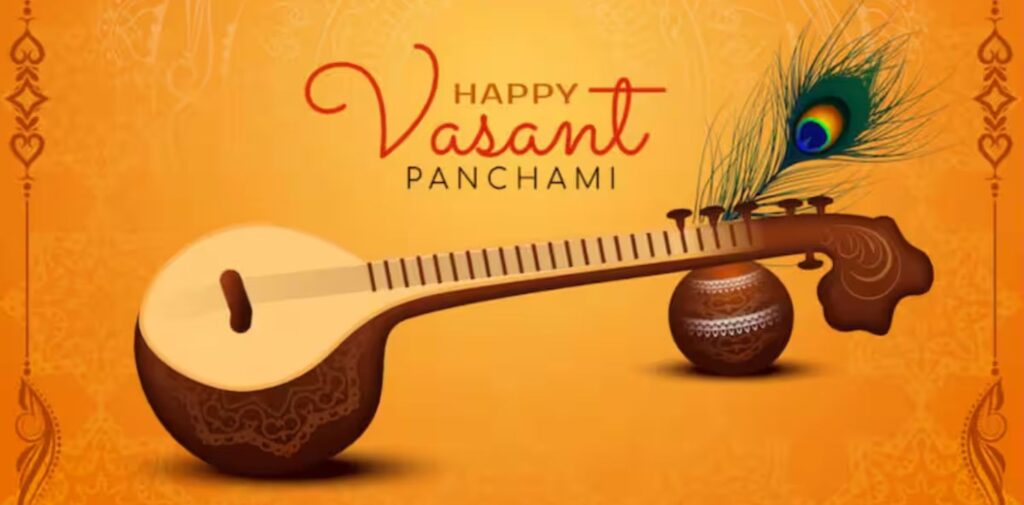
The flying kites, the colorful clothes, the joyful music, and the devotion to Goddess Saraswati all combine to create a magical atmosphere that makes Basant Panchami truly special.
Conclusion
Basant Panchami, which falls on February 2nd in 2025, is a festival that celebrates the arrival of spring, the pursuit of knowledge, and the joyous spirit of life. It is a time for people to come together, enjoy the beauty of nature, worship Goddess Saraswati, and embrace the new season with hope and positivity. From wearing yellow to flying kites and offering prayers, every aspect of this festival holds deep meaning. Whether you are a student, teacher, artist, or simply someone who loves to celebrate life, Basant Panchami offers an opportunity to connect with the world around you and seek blessings for success and prosperity in the coming year.